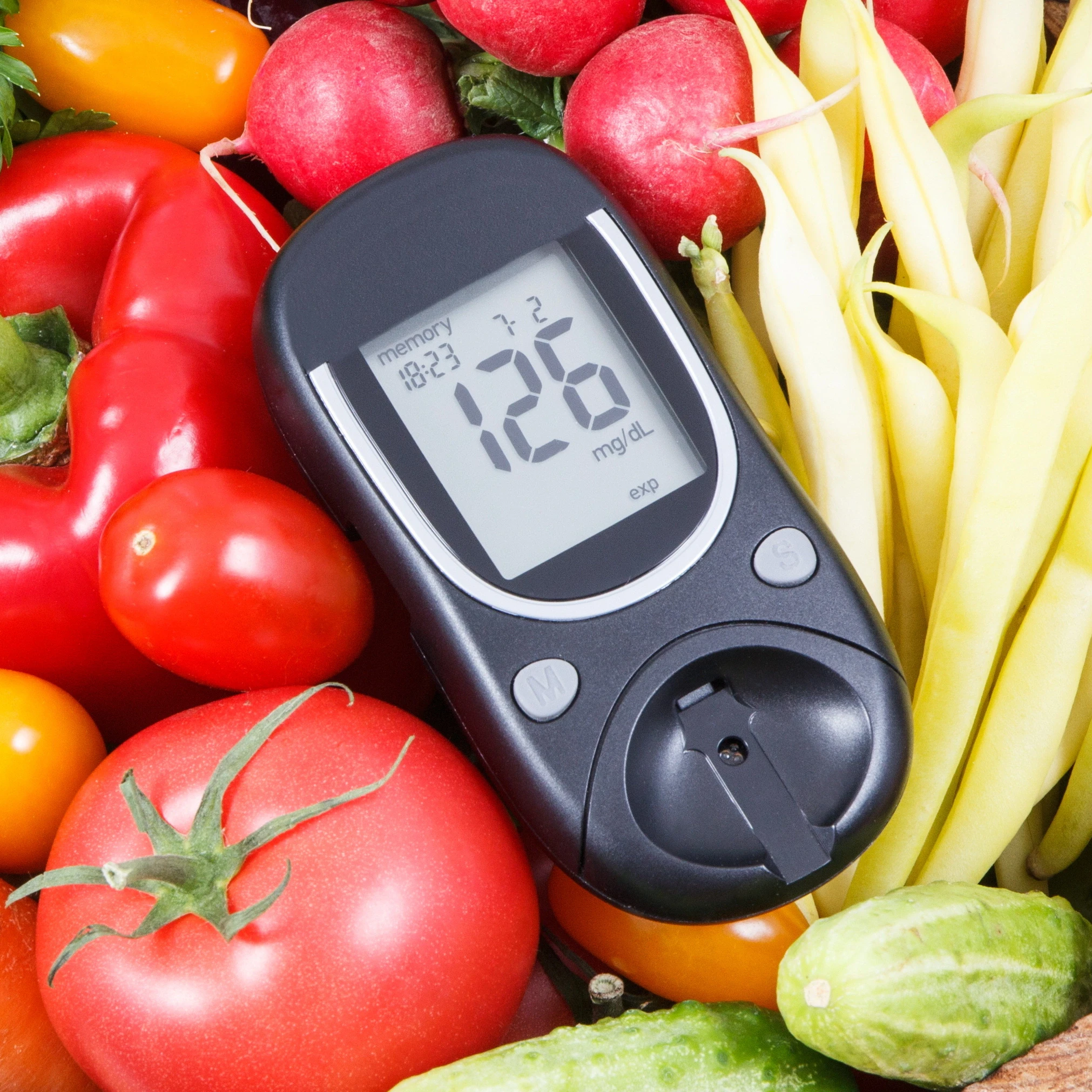

Quick Facts: Type 2 Diabetes Meal Plans
A healthy Type 2 diabetes meal plan focuses on balanced meals, portion awareness, and consistent eating habits rather than strict food restrictions.
The Diabetes Plate Method offers a simple framework for building meals with vegetables, lean protein, high-fiber carbohydrates, and healthy fats.
A Registered Dietitian can help personalize your meal plan based on your blood sugar goals, medications, lifestyle, and food preferences.
Newly Diagnosed? Start Here.
Getting diagnosed with Type 2 diabetes can feel overwhelming.
One of the first questions many people ask is:
“What can I actually eat?”
The good news is that a diabetes meal plan does not require special foods or extreme restrictions. Instead, the goal is to build balanced meals that help support blood sugar management while fitting your lifestyle, preferences, and long-term health goals.
What Is a Diabetes Meal Plan?
A diabetes meal plan is an eating pattern designed to help manage blood sugar levels while supporting overall health.
Rather than focusing on eliminating specific foods, a healthy diabetes eating plan emphasizes:
- Balanced nutrition
- Portion awareness
- Consistent meal timing
- High-fiber foods
- Lean protein sources
- Heart-healthy fats
- Sustainable habits
The best diabetes meal plan is individualized. Factors such as age, activity level, medications, weight goals, blood sugar patterns, and personal food preferences all play a role.
The Diabetes Plate Method
One of the simplest ways to build balanced meals is by using the Diabetes Plate Method.
The Plate Method can also be a practical starting point for people with prediabetes who want to improve meal balance and support healthier blood sugar levels.
Fill Half Your Plate with Non-Starchy Vegetables
Examples include:
- Broccoli
- Spinach
- Cauliflower
- Bell peppers
- Green beans
- Cucumbers
- Zucchini
- Asparagus
- Brussels sprouts
These foods provide fiber, vitamins, and minerals while having a smaller impact on blood sugar levels.
Fill One-Quarter of Your Plate with Lean Protein
Examples include:
- Chicken
- Turkey
- Fish
- Eggs
- Tofu
- Tempeh
- Lean cuts of beef
- Plain Greek yogurt
Protein helps support muscle maintenance and can help you feel fuller between meals.
Fill One-Quarter of Your Plate with High-Fiber Carbohydrates
Carbohydrates are not off limits for people with diabetes. The goal is to choose nutrient-dense carbohydrates and be mindful of portions.
Examples include:
- Brown rice
- Quinoa
- Oats
- Beans
- Lentils
- Whole-grain bread
- Sweet potatoes
- Fruit
- Low-fat milk or yogurt, when appropriate
These foods provide energy and fiber. Pairing carbohydrates with lean protein or healthy fats may help support more gradual blood sugar changes and make meals more satisfying.
Add Healthy Fats
Examples include:
- Avocado
- Olive oil
- Nuts
- Seeds
- Nut butters
- Fatty fish
Healthy fats can help improve meal satisfaction and support heart health.
Diabetes-Friendly Foods to Build Meals Around
A Type 2 diabetes meal plan should include a variety of foods that support blood sugar control, heart health, and long-term wellness.
Non-Starchy Vegetables
Vegetables should form the foundation of most meals.
Good choices include:
- Leafy greens
- Broccoli
- Cauliflower
- Asparagus
- Brussels sprouts
- Bell peppers
- Green beans
- Zucchini
- Cucumbers
Lean Proteins
Protein helps support blood sugar management, muscle health, and satiety.
Examples include:
- Fish
- Chicken breast
- Turkey
- Eggs
- Tofu
- Tempeh
- Plain Greek yogurt
- Cottage cheese
- Lean cuts of beef or pork
High-Fiber Carbohydrates
High-fiber carbohydrates can be part of a healthy diabetes meal plan.
Examples include:
- Oats
- Brown rice
- Quinoa
- Beans
- Lentils
- Whole grains
- Sweet potatoes
- Fruit
Fruits
Fruit can be part of a healthy diabetes meal plan. Portion awareness remains important because fruit naturally contains carbohydrates.
Examples include:
- Berries
- Apples
- Pears
- Oranges
- Grapefruit
- Peaches
Healthy Fats
A heart healthy diet is especially important for people with diabetes.
Healthy fat choices include:
- Avocados
- Olive oil
- Nuts
- Seeds
- Nut butters
- Fatty fish, such as salmon or sardines
Dairy and Dairy Alternatives
Options may include:
- Greek yogurt
- Cottage cheese
- Low-fat milk
- Unsweetened soy milk
- Unsweetened almond milk
Milk and yogurt naturally contain carbohydrates. Flavored or sweetened yogurts may contain additional carbohydrates from added sugars. Choose plain or unsweetened options when possible and check the Nutrition Facts label for total carbohydrates and added sugars.
Foods to Enjoy Less Often
No food is completely forbidden for most people with Type 2 diabetes. However, some foods may be best enjoyed less often or in smaller portions because they can raise blood sugar quickly or affect heart health.
Sugar-Sweetened Beverages
Examples include:
- Soda
- Sweet tea
- Energy drinks
- Sweetened coffee drinks
- Fruit drinks
Refined Carbohydrates
Examples include:
- White bread
- White rice
- Pastries
- Sugary cereals
- Crackers made with refined flour
Highly Processed Snacks and Sweets
Examples include:
- Chips
- Candy
- Cookies
- Snack cakes
- Frequent desserts
Occasional treats can fit into a balanced eating pattern, but portion awareness remains important.
High-Sodium or High-Saturated-Fat Foods
Examples include:
- Processed meats
- Fried foods
- Fast food
- High-fat packaged meals
- Salty snack foods
People with diabetes have a higher risk of heart and blood vessel disease, so heart-healthy choices are an important part of diabetes meal planning.
What to Drink If You Have Type 2 Diabetes
Best Beverage Choices
- Water
- Sparkling water without added sugar
- Unsweetened tea
- Black coffee
- Low-fat milk, when appropriate
- Unsweetened dairy alternatives
Drinks to Limit
- Soda
- Sweet tea
- Energy drinks
- Sugary coffee beverages
- Large amounts of fruit juice
- Fruit drinks with added sugar
Sample One-Day Diabetes Meal Plan
This sample meal plan is meant to provide ideas, not a one-size-fits-all prescription. Your needs may vary based on your medications, blood sugar goals, activity level, and personal preferences.
Breakfast
- Vegetable omelet
- One slice of whole-grain toast
- Fresh berries
Lunch
- Grilled chicken salad with leafy greens and non-starchy vegetables
- Olive oil vinaigrette
- Small apple
Dinner
- Baked salmon
- Roasted vegetables
- Quinoa
Snacks
- Greek yogurt
- Mixed nuts
- Apple with peanut butter
- Vegetables with hummus
Some people find it easier to plan meals and monitor carbohydrates using digital tools. Explore our guide to the Best Apps for Nutrition Monitoring and Carb Counting to compare popular diabetes-friendly nutrition apps.
More Diabetes-Friendly Meal Ideas
Breakfast Ideas
- Greek yogurt with berries and nuts
- Oatmeal with berries and chia seeds
- Egg and vegetable scramble
- Cottage cheese with fruit
- Protein smoothie with unsweetened yogurt, berries, and spinach
Lunch Ideas
- Turkey lettuce wraps with vegetables
- Chicken salad over leafy greens
- Grain bowl with quinoa, vegetables, and lean protein
- Tuna with vegetables and whole-grain crackers
- Soup and salad combination
Dinner Ideas
- Grilled fish with vegetables
- Stir-fry with brown rice
- Taco bowl with beans, vegetables, and lean protein
- Lean turkey chili
- Sheet-pan chicken and vegetables
Snack Ideas
- Mixed nuts
- Hard-boiled eggs
- Hummus and vegetables
- Cottage cheese
- String cheese and fruit
- Apple with peanut butter
Diabetes Grocery List Basics
Use this list as a starting point for building balanced meals.
Proteins
- Chicken
- Turkey
- Fish
- Eggs
- Tofu
- Greek yogurt
- Cottage cheese
Vegetables
- Spinach
- Broccoli
- Bell peppers
- Green beans
- Cauliflower
- Zucchini
- Cucumbers
Fruits
- Berries
- Apples
- Pears
- Citrus fruits
- Peaches
Whole Grains and High-Fiber Carbohydrates
- Oats
- Brown rice
- Quinoa
- Whole-grain bread
- Beans
- Lentils
- Sweet potatoes
Healthy Fats
- Olive oil
- Avocados
- Nuts
- Seeds
- Nut butters
Pantry Staples
- Low-sodium broth
- Canned beans with no salt added or reduced sodium
- Unsweetened nut butters
- Canned tuna or salmon
- Herbs and spices
- Vinegar
- Low-sodium sauces or seasonings
How Many Carbohydrates Should You Eat?
There is no single carbohydrate target that works for everyone.
Your carbohydrate needs may depend on:
- Activity level
- Medications
- Blood sugar goals
- Weight goals
- Overall health
- Food preferences
- Timing of meals and snacks
A Registered Dietitian can help determine an approach that fits your needs.
If you take insulin or medications that can cause low blood sugar, do not make major carbohydrate changes without guidance from your healthcare provider.
Carb Counting vs. the Plate Method
Who Benefits from Carb Counting?
Carb counting may be especially useful for:
- People using insulin
- Individuals with advanced diabetes management goals
- Those needing tighter glucose control
- People who want to better understand how meals affect blood sugar
When the Plate Method May Be Enough
Many newly diagnosed patients find the Plate Method easier to follow because it focuses on overall meal balance rather than tracking every gram of carbohydrate.
The Plate Method may be a good starting point if you want a simple, visual way to build meals with vegetables, protein, and high-fiber carbohydrates.
Tools That Can Help
Apps such as Carb Manager, MyNetDiary, Diabetes:M, and Glucose Buddy can help monitor meals, carbohydrate intake, and blood sugar trends. Learn more in our guide to the Best Apps for Nutrition Monitoring and Carb Counting.
Can Weight Loss Improve Type 2 Diabetes?
For people who are overweight or obese, weight loss may help improve insulin resistance and blood sugar control.
Potential benefits may include:
- Improved glucose levels
- Reduced insulin resistance
- Better cardiovascular health
- Improved mobility and energy
- Improved quality of life
When pursuing weight loss, preserving lean muscle mass is important. Adequate protein intake, physical activity, and medical guidance can help support muscle retention.
Can Type 2 Diabetes Go into Remission?
Some people with Type 2 diabetes can achieve remission, meaning blood sugar levels improve to below the diabetes range without glucose-lowering medication for a sustained period.
Remission is not the same as a cure. Ongoing healthy eating habits, physical activity, medical monitoring, and weight management support are still important, even if blood sugar levels improve.
Who Can Help with Diabetes Meal Planning?
Diabetes care often involves more than one type of healthcare professional. The right starting point depends on your main concern.
Registered Dietitian
A Registered Dietitian provides meal planning, carb-counting education, grocery guidance, and nutrition counseling. If your main question is what to eat, this is often the best place to start.
Endocrinologist
An endocrinologist provides specialized diabetes care and medication management, especially for patients with complex diabetes needs or difficulty reaching blood sugar goals.
Primary Care Provider
A primary care provider supports routine monitoring, screenings, preventive care, medication management, and referrals when needed.
Weight Management Specialist
A weight management specialist can provide additional support for obesity, insulin resistance, and long-term metabolic health.
When Should You Meet with a Registered Dietitian?
Consider meeting with a Registered Dietitian if you:
- Have been newly diagnosed
- Need help with meal planning
- Have weight loss goals
- Are starting new diabetes medications
- Need support with carb counting
- Feel overwhelmed by food choices
- Have kidney disease, heart disease, or other conditions that affect nutrition
- Want a plan that fits your culture, schedule, budget, and preferences
Personalized nutrition counseling can help create a plan that fits your lifestyle.
Upcoming Diabetes Class in Houston for Diet and Nutrition
- Join Mona Khalil, PhD, RDN, LD for her ongoing Diabetes Group Class in the Webster-Clear Lake area.
- Contact CLS Health Nutrition & Dietitians — Clear Lake for class details, registration information, and future Diabetes Group Class dates.
FAQs
A balanced breakfast that includes protein, fiber, and healthy fats may help support blood sugar management. Examples include eggs with vegetables, Greek yogurt with berries and nuts, or oatmeal with nuts or seeds.
Yes. Fruit contains important vitamins, minerals, and fiber. Portion awareness is important because fruit naturally contains carbohydrates. Pairing fruit with protein or healthy fat may help make the snack or meal more balanced.
There is no universal recommendation. Carbohydrate needs vary based on medications, activity level, weight goals, blood sugar patterns, and overall health. A Registered Dietitian can help personalize your carbohydrate goals.
Some people with Type 2 diabetes can achieve remission through weight loss, lifestyle changes, and ongoing medical care. Remission is not the same as a cure, and regular monitoring remains important.
Yes. The Mediterranean diet emphasizes vegetables, fruits, whole grains, beans, lentils, healthy fats, and lean proteins, which may support blood sugar management and heart health.
Good snack options often include protein, fiber, or healthy fat. Examples include nuts, Greek yogurt, hard-boiled eggs, vegetables with hummus, or fruit paired with peanut butter or cheese.
Many low-calorie or nonnutritive sweeteners can be used by people with diabetes when consumed within recommended limits. However, they are not required, and some people may notice digestive symptoms or increased cravings. Ask your healthcare provider or dietitian if you have any concerns.
Need Help Building a Diabetes-Friendly Meal Plan?
Managing diabetes does not have to be confusing. A Registered Dietitian can help you build realistic meals, understand carbohydrates, plan groceries, and create eating habits that support blood sugar control and long-term health.
If you also need medication management or diabetes monitoring, our endocrinology and primary care teams can support your overall care plan.
Book with Dr. Khalil

Clinical Nutrition, Dietetics