Heel pain can interfere with your ability to work, exercise, or even complete everyday tasks. In this article, we’ll explore the common causes and the most effective treatment options to help you address the condition and find relief.
What is Heel Pain?
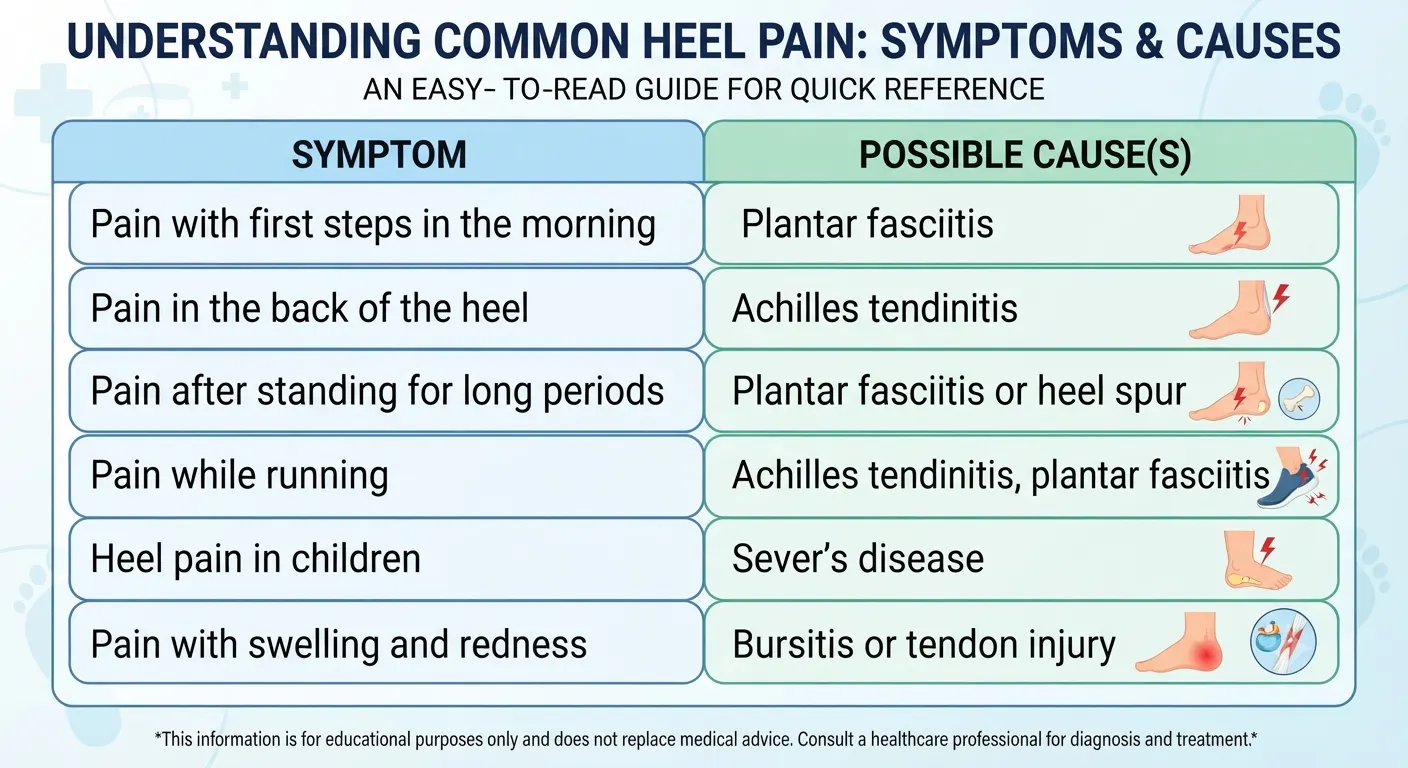
Heel pain is a discomfort that can occur anywhere in the heel region, from the bottom to the back of the foot. This condition often stems from overuse or injury to the heel bone (calcaneus) and its surrounding tissues. Identifying the exact cause is key to determining the most effective treatment approach.
Heel Pain Symptoms
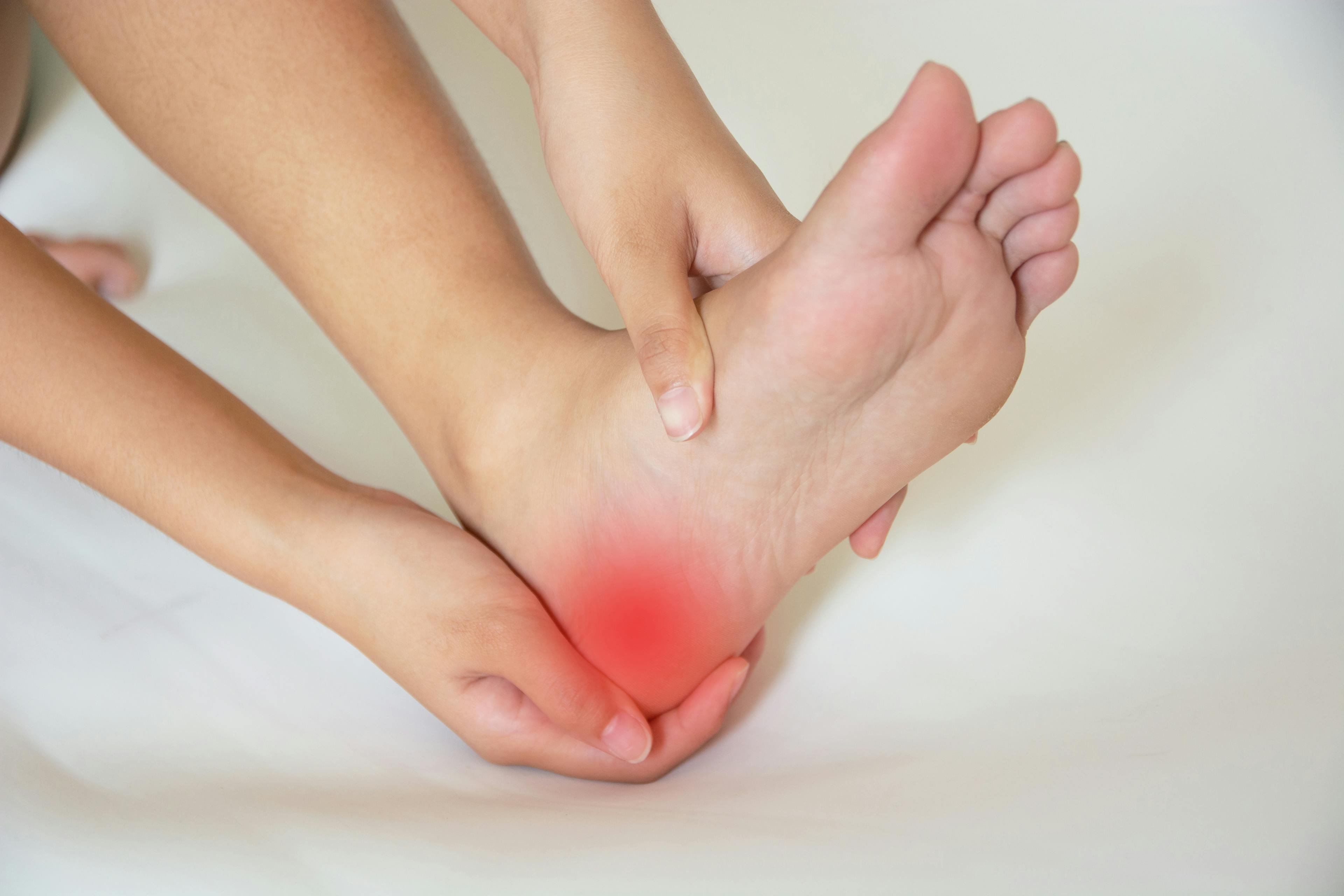
- Sharp pain in the heel, especially with the first steps in the morning
- Dull ache or burning sensation in the heel
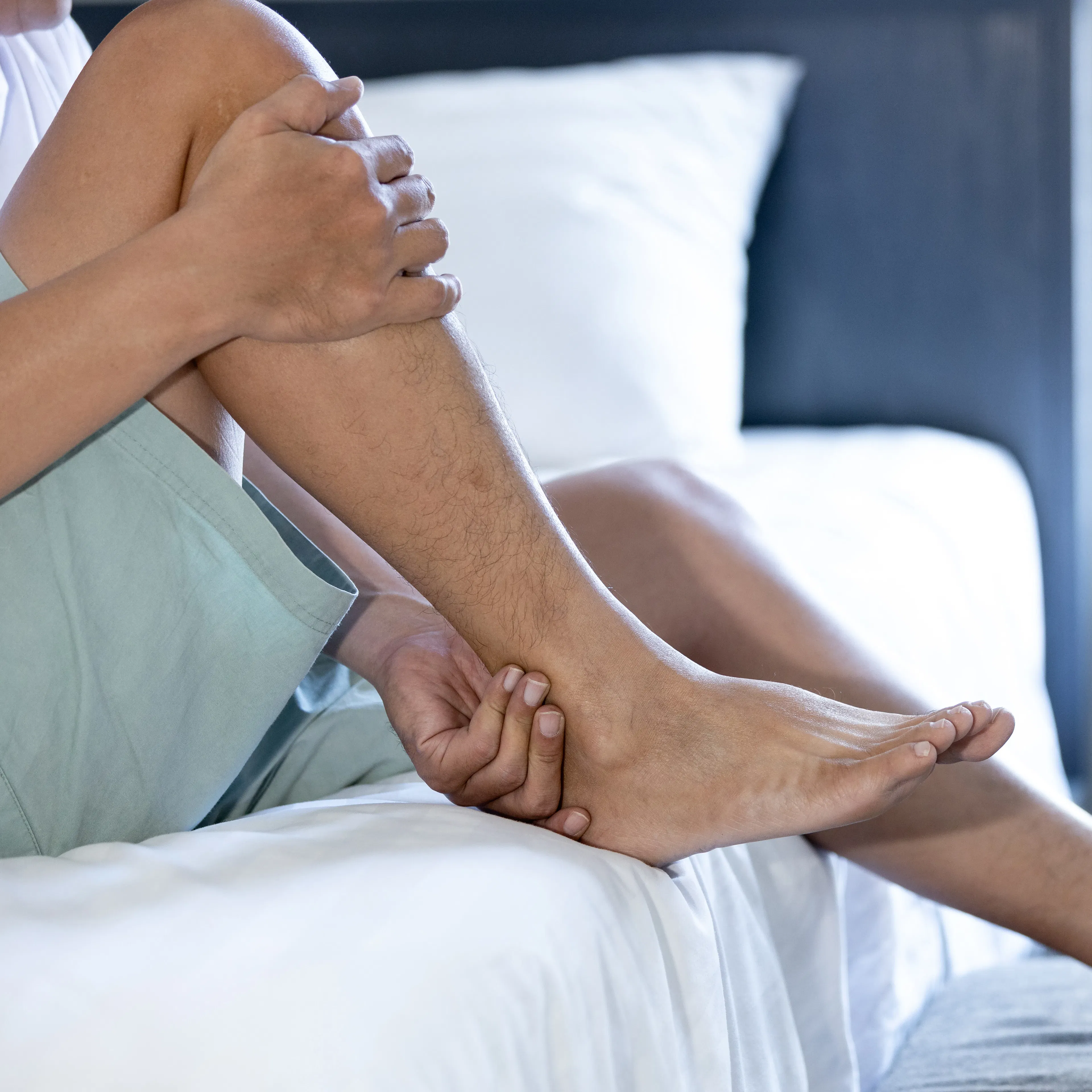
- Back of the heel pain, often associated with Achilles tendinitis
- Difficulty walking or standing for extended periods
- Heel pain while running or heel pain after jogging
- Swelling or redness in the heel area
- Stiffness in the heel, particularly after periods of rest
Where Is Your Heel Pain?
The location of your heel pain can provide clues about the underlying cause. While only a medical evaluation can confirm a diagnosis, certain patterns are commonly associated with specific foot conditions.
Bottom of Heel Pain
Pain on the bottom of the heel is most commonly caused by plantar fasciitis or heel spurs. Many people notice the pain is worse with their first steps in the morning or after sitting for long periods.
Back of Heel Pain
Pain in the back of the heel is often associated with Achilles tendinitis or Haglund's deformity. It may worsen with walking, running, climbing stairs, or wearing shoes that rub against the back of the heel.
Heel Pain After Walking or Running
Heel pain that develops during or after activity is commonly caused by overuse injuries such as plantar fasciitis or Achilles tendinitis. Inadequate footwear, training too quickly, or repetitive impact can contribute to these conditions.
Heel Pain Causes
Plantar fasciitis is the most common cause of heel pain. It happens when a thick band of tissue on the bottom of your foot, called the plantar fascia, gets inflamed. This tissue connects your heel to your toes. About one in 10 people may experience plantar fasciitis during their lifetime, according to an article in American Family Physician.
Other common causes of heel pain include:
- Achilles Tendinitis: Your Achilles tendon connects your calf muscle to your heel bone and is the longest and strongest tendon in your body. Overuse, especially in activities like running or basketball, can lead to Achilles tendinitis, causing pain, swelling, and stiffness in the back of your heel.
- Heel spurs: Heel spurs are bony growths on the underside of your heel bone, often caused by strain on the muscles and ligaments in your foot. They can result from activities like running, wearing poorly fitting shoes, or having biomechanical imbalances.
- Bursitis: Bursitis happens when the fluid-filled sacs (bursae) that cushion your joints become swollen. This can lead to a tender, bruise-like sensation in the back of your heel. Bursitis often occurs after spending long periods on your feet.
- Haglund’s Deformity: Repeated irritation can lead to the development of a bony bump, often referred to as a “pump bump,” on the back of your heel. High-heeled shoes can make this bump and the associated pain worse.
- Sever’s Disease (Calcaneal Apophysitis): Common in active children aged 8 to 14, Sever’s disease causes heel pain from irritation of the growth plate at the back of the heel. Kids who engage in activities with a lot of running and jumping are more likely to experience this condition.
Heel Pain Treatment
Heel pain can be effectively managed through a variety of treatment options, ranging from simple home remedies to more advanced medical interventions. The most appropriate approach depends on your heel pain’s specific cause and severity.
Conservative Treatments
- Rest and ice therapy: Allowing your affected foot adequate rest and applying ice can help reduce inflammation and alleviate pain.
- Stretching exercises and physical therapy: Heel pain exercises can strengthen foot muscles and improve flexibility; this is particularly beneficial for those experiencing heel pain during activities like running.
- Orthotics and proper footwear: Using custom orthotics or wearing supportive shoes can help distribute pressure more evenly across your foot, providing relief for various types of heel pain, including discomfort in the back of the heel.
- Medications: Over-the-counter pain relievers and anti-inflammatory drugs can help manage pain and reduce swelling associated with heel pain.
Advanced Treatments
When conservative measures aren’t providing adequate relief, your podiatrist may recommend more advanced heel pain treatment options such as:
- Corticosteroid injections: These provide temporary relief for severe pain and inflammation.
- Extracorporeal shock wave therapy (ESWT): This non-invasive treatment uses sound waves to stimulate healing in the affected area.
- Platelet-rich plasma (PRP) injections: This treatment uses your own blood cells to promote healing in the injured tissue.
Surgical Treatments
In rare cases where conservative and advanced treatments don’t provide sufficient relief for heel pain, surgical intervention may be necessary. Surgical options for heel pain are:
- Plantar Fasciotomy: This minimally invasive procedure involves making a small incision in the heel to carefully release tension in the plantar fascia ligament, helping to reduce pain and discomfort.
- Achilles Tendinitis Surgery: Surgery may be needed to remove damaged portions of the tendon in severe cases of Achilles tendonitis. If a heel spur is present, your surgeon will remove it during the same procedure.
When to See a Doctor for Heel Pain
While occasional mild heel discomfort may resolve on its own, consider seeing a foot specialist when:
- The pain persists for more than 2 to 3 weeks despite home treatment
- The pain is severe or suddenly increases
- You experience persistent heel pain while running or heel pain after jogging that doesn't improve with rest
- The pain is accompanied by swelling, redness, or warmth in the heel
- You have difficulty walking or putting weight on the affected foot
- You cannot bear weight on the affected foot
- You experience numbness or tingling in your foot
- You develop a fever along with heel pain
How Do Doctors Diagnose Heel Pain?
Because heel pain can have many different causes, your healthcare provider will begin by reviewing your symptoms, medical history, and activity level before performing a physical examination.
During your evaluation, your provider may:
- Review your medical history and how your symptoms began
- Examine your foot and heel for tenderness, swelling, and areas of pain
- Assess how you walk to identify gait abnormalities
- Check your range of motion and flexibility
- Evaluate the location and severity of tenderness to help identify the underlying cause
If additional evaluation is needed, imaging tests may be recommended, including:
- X-rays to identify fractures, heel spurs, or arthritis
- Ultrasound to evaluate certain tendon or soft tissue injuries
- MRI (when necessary) to assess plantar fascia tears, Achilles tendon injuries, stress fractures, or other soft tissue conditions
An accurate diagnosis helps your provider recommend the most effective treatment based on the cause of your heel pain.
Not Sure What's Causing Your Heel Pain?
Heel pain can have many causes, including plantar fasciitis, Achilles tendinitis, heel spurs, and bursitis. An accurate diagnosis is the first step toward relieving pain and preventing it from becoming a long-term problem.
Home Treatments for Heel Pain
In addition to professional heel pain treatment, there are several steps you can take at home to manage and prevent heel pain:
- Maintain a healthy weight to reduce stress on your feet
- Wear supportive shoes with good arch support and cushioning, especially if you experience heel pain while running
- Stretch your feet, particularly before and after exercise, to help prevent heel pain after jogging
- Roll your foot over a frozen water bottle for temporary pain relief and gentle massage
- Perform regular calf stretches to improve flexibility
- Stretch your plantar fascia, especially before taking your first steps in the morning
- Avoid walking barefoot on hard surfaces
- Replace worn-out athletic shoes that no longer provide adequate support
- Gradually increase the intensity of your workouts to avoid overuse injuries
FAQs
Plantar fasciitis is the most common cause of heel pain. It occurs when the plantar fascia, a thick band of tissue that supports the arch of your foot, becomes irritated or inflamed.
Heel pain with your first steps in the morning is a classic symptom of plantar fasciitis. The pain often improves as the plantar fascia stretches with activity but may return after prolonged standing or exercise.
Many mild cases of heel pain improve with rest, stretching, supportive footwear, and activity modification. However, pain that persists for more than a few weeks, worsens over time, or interferes with walking should be evaluated by a podiatrist.
You should seek medical evaluation if your heel pain is severe, prevents you from bearing weight, is associated with significant swelling, redness, numbness, or fever, or does not improve after two to three weeks of home treatment.
A podiatrist specializes in diagnosing and treating heel pain and other foot and ankle conditions. Depending on the cause of your symptoms, treatment may include conservative care, custom orthotics, physical therapy, advanced therapies, or surgery when appropriate.
Find Lasting Relief from Heel Pain
Whether your heel pain is caused by plantar fasciitis, Achilles tendinitis, heel spurs, or another foot condition, the podiatrists at CLS Health can identify the underlying cause and recommend a personalized treatment plan to help relieve pain, restore mobility, and get you back on your feet.