Key Takeaways
Corns and calluses are areas of thickened skin caused by repeated pressure or friction, most commonly on the feet.
Corns are usually smaller and more concentrated, while calluses cover broader areas of skin.
Treatment may include reducing pressure, wearing properly fitting shoes, gentle home care, or professional removal by a podiatrist.
People with diabetes, poor circulation, or reduced foot sensation should seek medical guidance before attempting home removal.
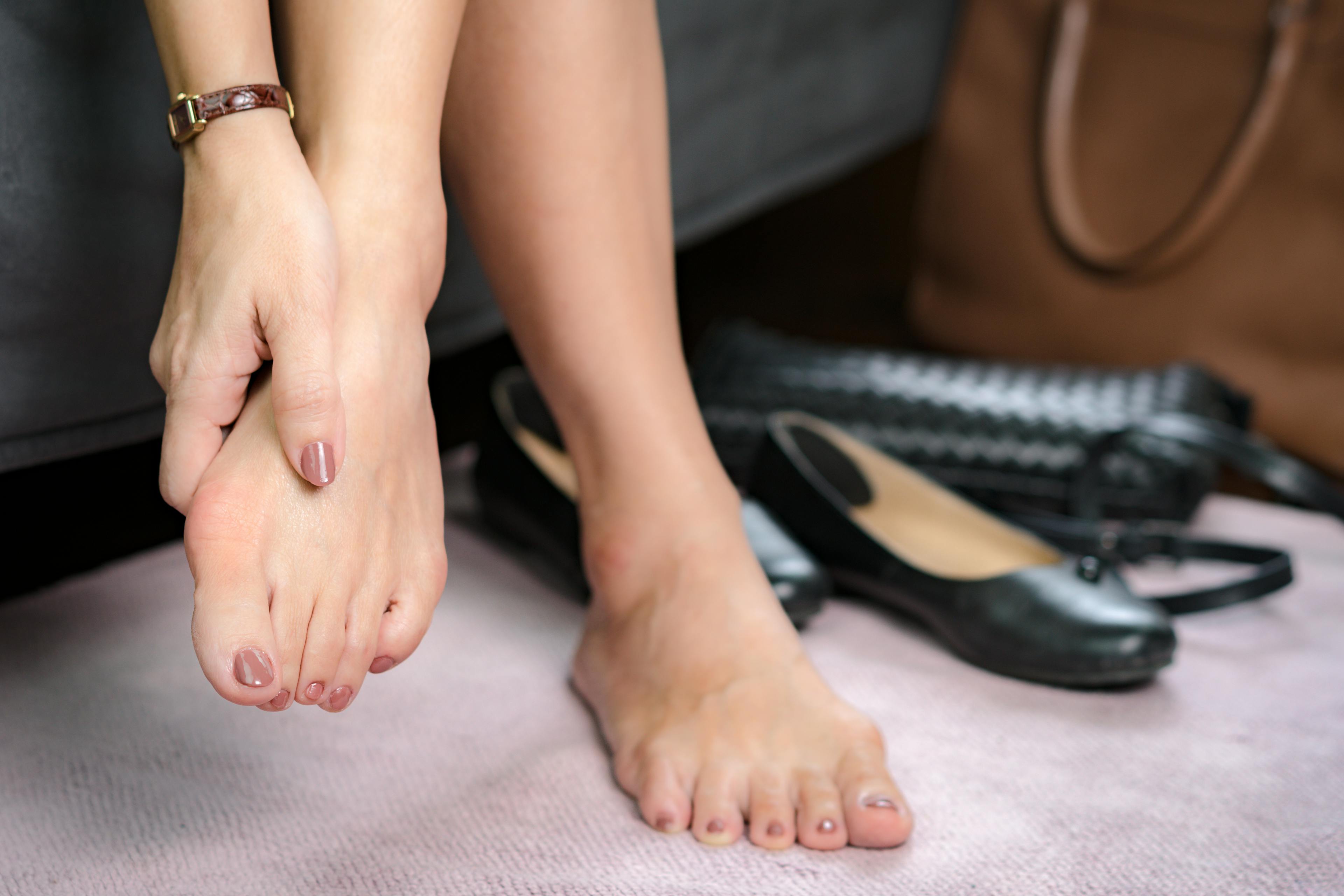
Corns and calluses commonly develop on the feet, particularly around the toes and soles, where repeated pressure can cause discomfort when walking or wearing shoes. Although generally harmless, they may become painful or interfere with everyday activities.
Understanding the differences between corns and calluses, what causes them, and how they're treated can help you manage symptoms and know when to seek professional foot care.
What are Corns and Calluses?
Corns and calluses are areas of thickened skin that develop as the body responds to repeated friction or pressure. Both can form on the feet and hands, but they differ in appearance, size, location, and the discomfort they may cause.
What Is the Difference Between a Corn and a Callus?
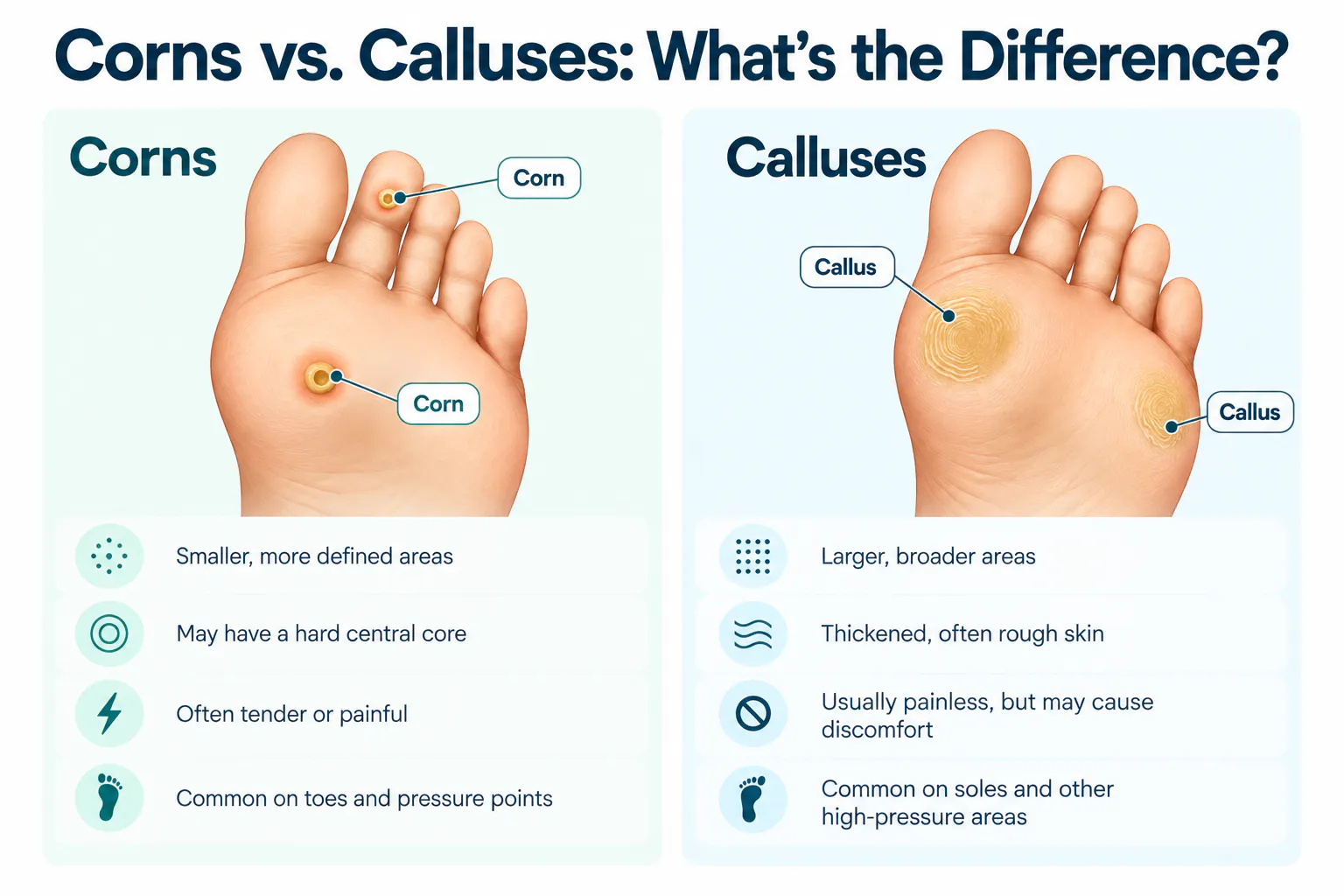
The main differences between corns and calluses are their size, appearance, and location. Corns tend to be smaller and more concentrated, while calluses typically cover larger areas of skin.
Corns:
- Usually small, round, and well-defined.
- Often have a hard central core that may be tender or painful.
- Commonly develop on the tops, sides, or between the toes.
Calluses:
- Typically larger, flatter, and less clearly defined.
- Form broad areas of thickened skin that may appear yellowish.
- Often develop on weight-bearing areas, such as the balls or heels of the feet.
- Usually painless but may become uncomfortable when excessively thick.
What Do Corns and Calluses Look Like?
Corns often appear as small, yellowish or slightly raised patches of hardened skin with a concentrated center. Some may feel tender when pressed, while softer corns can develop between the toes where moisture is present.
Calluses typically appear as broad patches of thickened, rough, or yellowish skin. Their edges are often less defined, and the affected skin may feel dry or firm to the touch.
What Causes Corns and Calluses?
Corns and calluses develop when repeated pressure or friction causes the skin to thicken as a protective response. Common contributing factors include:
- Ill-Fitting Shoes: Shoes that are too tight, narrow, or loose can create pressure and rubbing, especially around the toes and heels.
- Not Wearing Socks: Wearing shoes without socks may increase friction between the skin and footwear.
- Foot Deformities: Conditions such as hammertoes and bunions can change how pressure is distributed across the feet, increasing the likelihood of corns and calluses.
- Repetitive Activities: Running, prolonged standing, and other activities that place repeated pressure on the feet may contribute to thickened skin.
Corns and calluses can also develop on the hands from repeated gripping or friction during certain activities.
Diagnosis of Corns and Calluses
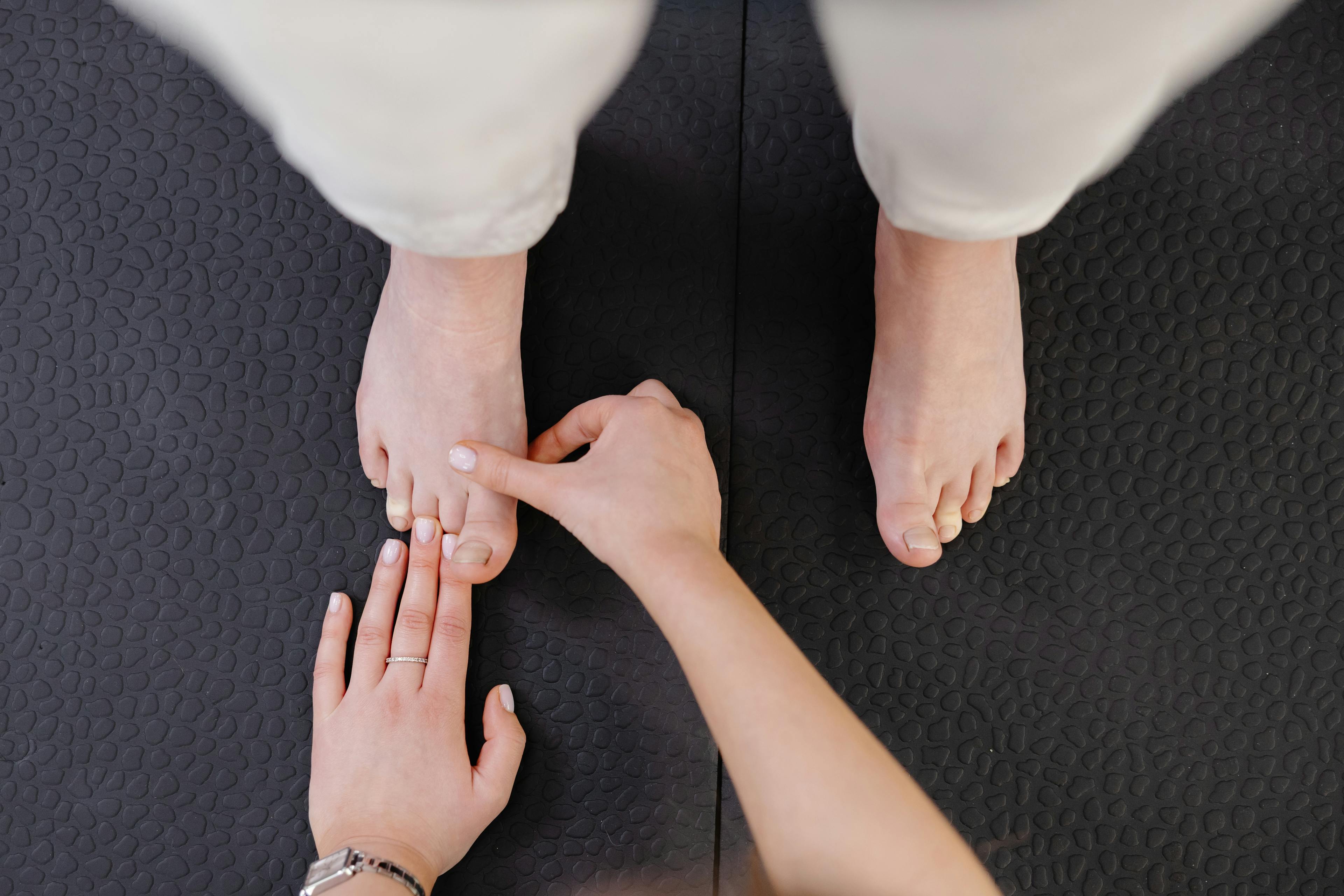
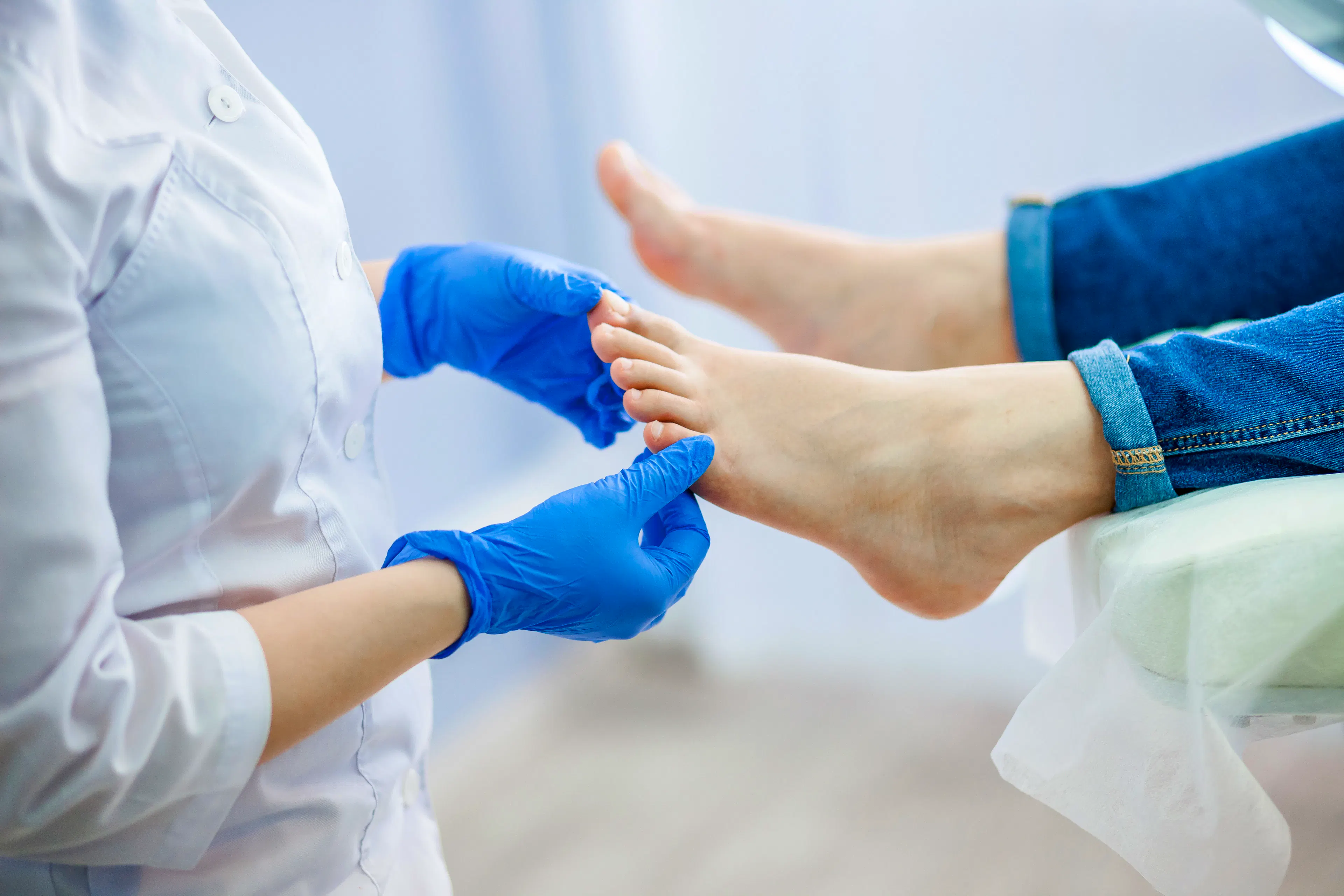
Corns and calluses are usually diagnosed through a physical examination. A healthcare provider or podiatrist will assess the affected skin, its location, and any areas of pressure or friction that may be contributing to the problem.
During the examination, your provider may also check for other conditions that can resemble corns or calluses, such as plantar warts.
Additional testing is rarely necessary. However, if an underlying foot deformity or structural problem is suspected, your podiatrist may recommend imaging, such as an X-ray, to help guide treatment.
Treatments for Corns and Calluses
Treatment for corns and calluses focuses on relieving discomfort, removing excess thickened skin when necessary, and reducing the pressure or friction that caused them. Depending on their severity, treatment may include properly fitting footwear, protective padding, gentle home care, or professional removal by a podiatrist. Addressing the underlying source of pressure can also help prevent corns and calluses from returning.
Foot Corn and Callus Removal
A podiatrist can safely remove excess thickened skin from painful or persistent corns and calluses using specialized instruments. This procedure, called debridement, involves carefully trimming the hardened skin to relieve pressure and discomfort.
To help prevent recurrence, your podiatrist may recommend:
- Footwear Changes: Shoes with adequate room and cushioning to reduce rubbing and pressure.
- Protective Padding: Non-medicated pads or cushions to protect sensitive areas.
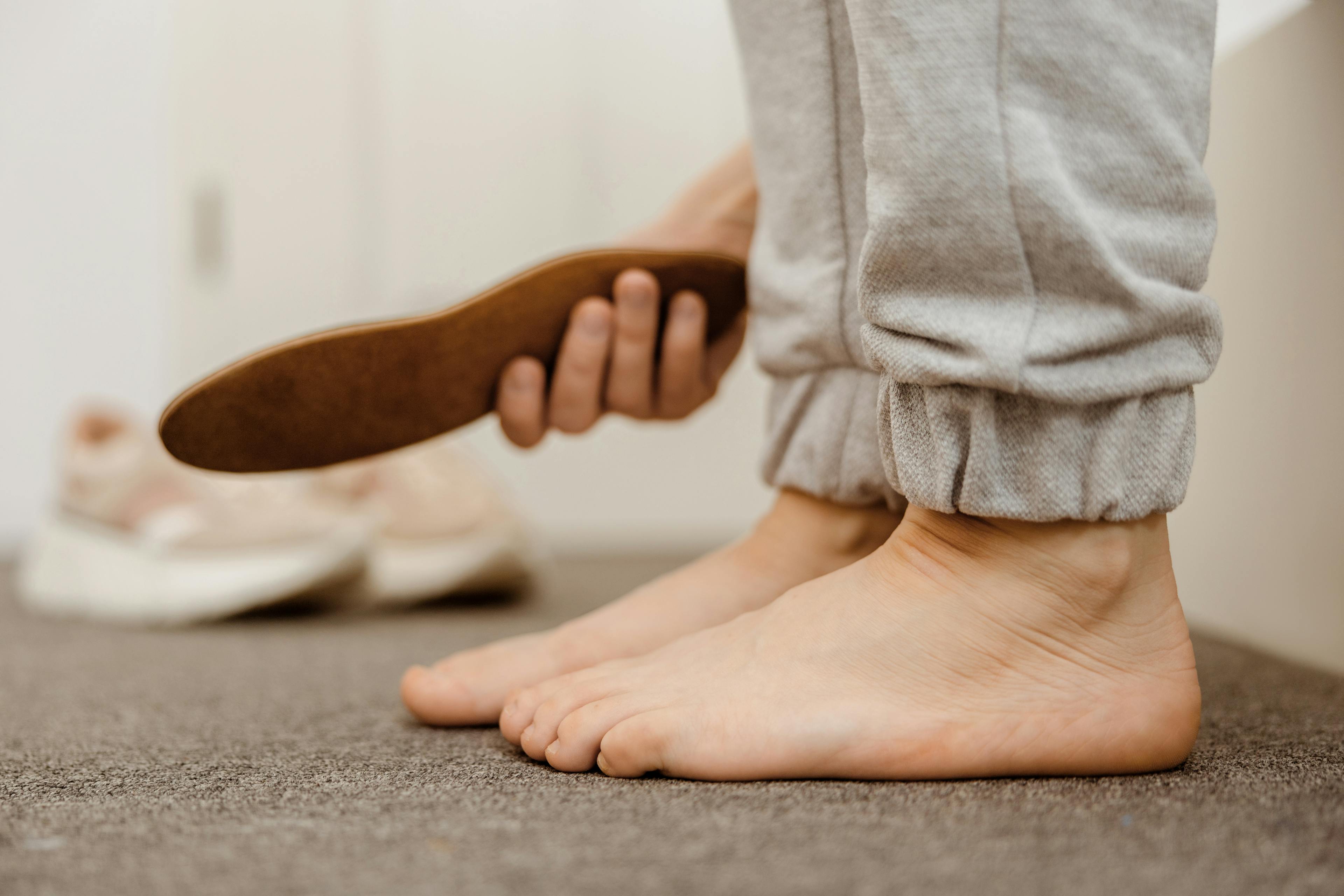
- Custom Orthotics: Shoe inserts that redistribute pressure when foot structure or walking mechanics contribute to recurring corns or calluses.
In some cases, surgery may be considered to correct an underlying foot deformity, such as a hammertoe, that causes persistent pressure. Surgery is not typically needed to treat corns or calluses themselves.
Home Remedies for Corns and Calluses
Mild corns and calluses can often be managed at home by reducing pressure and gently caring for the affected skin. The following approaches may help relieve discomfort:
- Warm Water Soaks: Briefly soaking your feet in warm, not hot, water may soften thickened skin. If appropriate, gently use a pumice stone afterward without rubbing aggressively or removing too much skin.
- Moisturizing: Apply a moisturizing cream regularly to help soften dry, thickened skin and reduce cracking.
- Protective Padding: Use non-medicated corn pads or cushioning to reduce friction and pressure on sensitive areas.
- Proper Footwear: Choose comfortable, well-fitting shoes with enough room for your toes to help prevent further irritation.
Avoid cutting corns or calluses with sharp tools or using medicated corn-removal products containing salicylic acid without medical guidance, as these may irritate or damage surrounding skin.
Important: If you have diabetes, poor circulation, nerve damage, or reduced sensation in your feet, consult a healthcare professional before attempting home removal, including pumice-stone use or soaking. These conditions can increase the risk of unnoticed injuries, infections, and foot ulcers.
When to See a Podiatrist
Most corns and calluses are harmless, but persistent pain, recurring thickened skin, or difficulty walking may indicate that professional treatment is needed. A podiatrist can identify the underlying cause, safely remove excess skin when appropriate, and recommend ways to reduce pressure and prevent recurrence.
You should see a podiatrist if:
- A corn or callus becomes painful or interferes with walking.
- Thickened skin repeatedly returns despite changes in footwear or home care.
- You notice redness, swelling, drainage, bleeding, or an open sore.
- You are unsure whether the affected area is a corn, callus, or another skin condition.
People with diabetes, poor circulation, or reduced foot sensation should seek professional guidance for corns and calluses. An open wound or signs of infection require prompt medical evaluation.
Frequently Asked Questions
Yes. Some corns may gradually improve or disappear when the pressure or friction causing them is reduced. Wearing properly fitting shoes and using protective padding may help. Persistent or painful corns may require professional treatment.
For a painful or persistent foot corn, a podiatrist can often provide immediate relief by carefully trimming the thickened skin. However, the corn may return if the underlying pressure or friction continues. Your podiatrist can recommend footwear changes, padding, or other treatments to help prevent recurrence.
Mild corns and calluses may improve with properly fitting shoes, non-medicated padding, moisturizing, and gentle skin care. Never cut or shave thickened skin yourself. If you have diabetes, poor circulation, or reduced foot sensation, consult a healthcare professional before attempting home removal.
Corns and plantar warts can look similar, but they have different causes. Corns develop from repeated pressure or friction, while plantar warts are caused by human papillomavirus (HPV). Plantar warts may have tiny dark dots and interrupt the skin's natural lines. A podiatrist can examine the affected area and determine the appropriate treatment.
Yes. Corns and calluses can return when repeated pressure or friction continues. Wearing properly fitting shoes, using protective padding, and addressing underlying foot problems can help reduce the likelihood of recurrence.
Get Relief From Painful Corns and Calluses
Persistent corns or calluses can make walking and everyday activities uncomfortable. At CLS Health, our podiatrists provide personalized foot care, including professional corn and callus removal when appropriate, to help relieve discomfort and address the underlying causes.
Book with Dr. Ho

Foot and Ankle Surgery, Podiatry