
Active kids are healthy kids. Sports can help children build strength, coordination, confidence, teamwork, and lifelong healthy habits. But because children and teens are still growing, sports injuries can affect them differently than adults.
A sore ankle, painful knee, swollen wrist, or limp after practice may seem minor at first. Sometimes it is. But pain that does not improve, changes how your child moves, or keeps coming back with activity may need medical attention.
The good news: many pediatric sports injuries can be prevented or treated early with the right approach. Parents, coaches, and young athletes can all help reduce injury risk by recognizing warning signs, encouraging rest, and supporting a safe return to play.
Why Pediatric Sports Injuries Are Different
Children are not just smaller adults. Their bones, muscles, tendons, and joints are still developing. Many children and teens also have open growth plates, which are areas of developing tissue near the ends of bones.
Because growth plates are weaker than mature bone, certain injuries can affect how bones grow if they are not diagnosed and treated properly. Young athletes may also develop overuse injuries when they train too intensely, play the same sport year-round, or do not get enough rest between practices and games.
That is why pain in a growing athlete should not be ignored, especially if it causes limping, swelling, weakness, or difficulty playing normally.
Common Sports Injuries in Children and Teens
Pediatric sports injuries can happen suddenly or develop gradually over time. Because children are still growing, some injuries may involve developing bones, tendons, joints, or growth plates.
Acute Sports Injuries
Common acute injuries include:
- Ankle sprains: Stretching or tearing of the ligaments around the ankle, often after a twist or awkward landing.
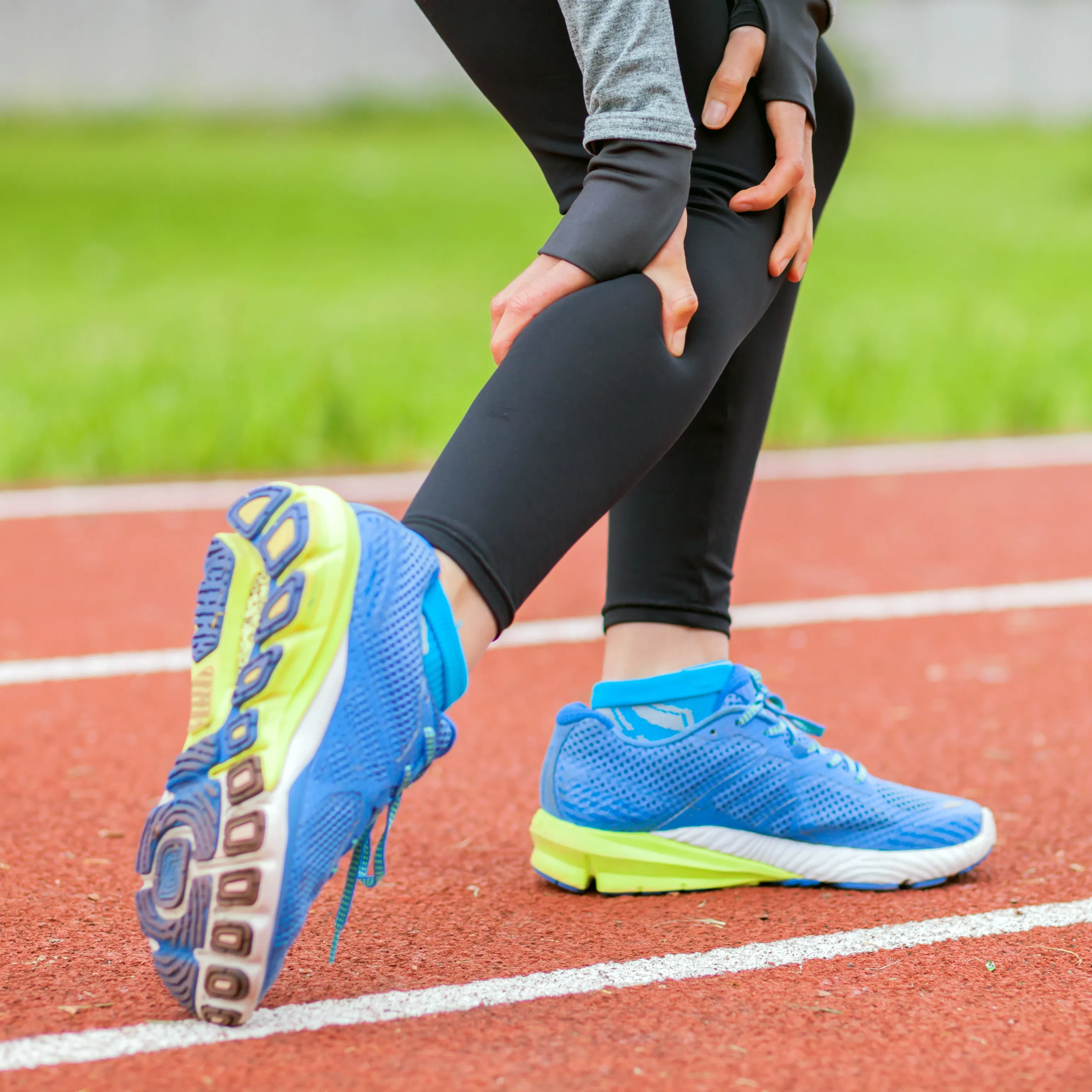
- Muscle strains: Overstretching or tearing of a muscle, often during sprinting, jumping, or sudden changes in direction.
- Wrist, forearm, or collarbone fractures: Often caused by falls during sports or play.
Overuse and Growth-Related Injuries
Common overuse and growth-related injuries include:
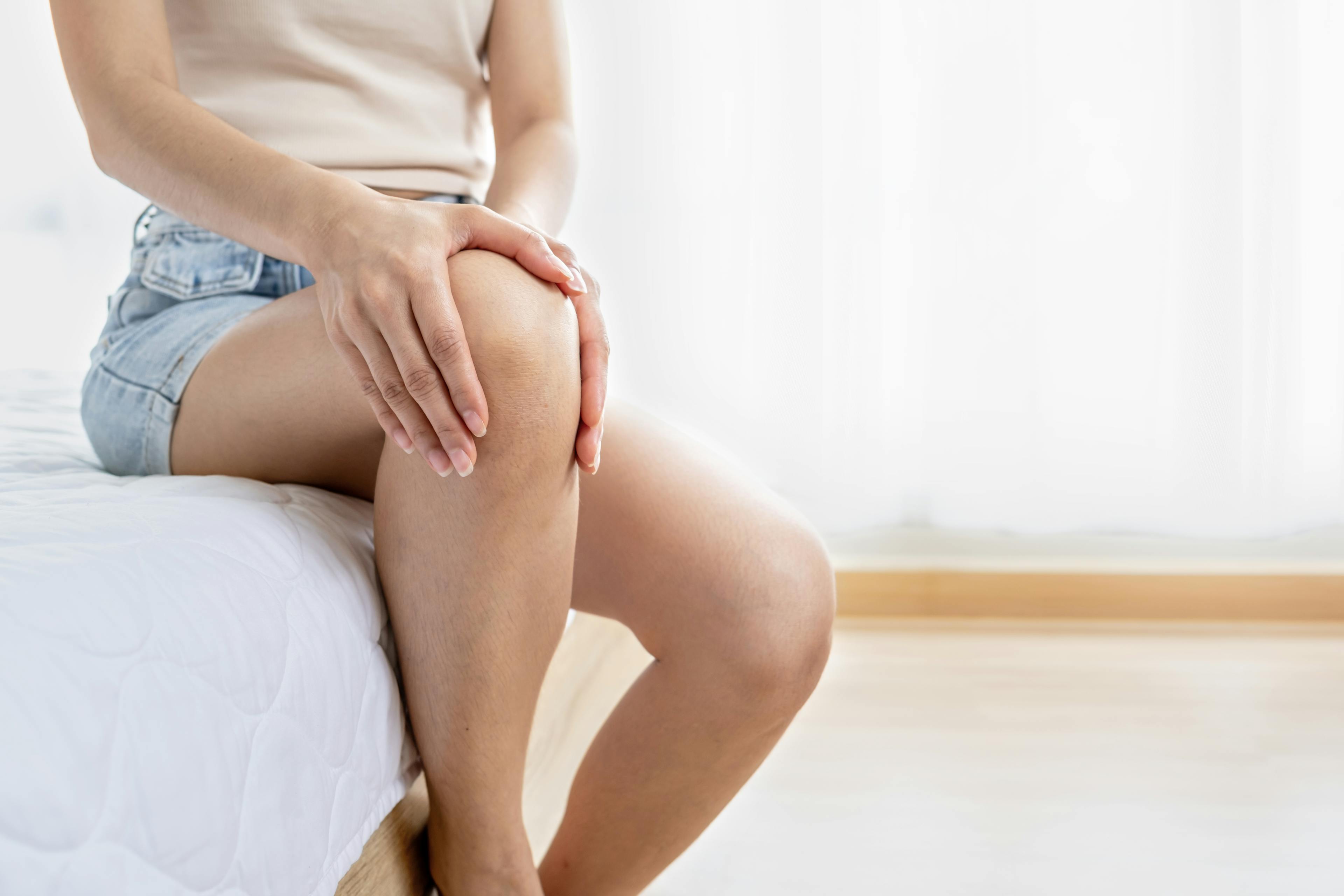
- Knee pain: Pain around the kneecap, growth areas, or tendons, often related to running, jumping, or rapid growth.
- Osgood-Schlatter disease: Pain and swelling below the kneecap where the tendon attaches to the shinbone.
- Sever’s disease: Heel pain in active children, often related to growth and repetitive impact.
- Stress fractures: Small cracks in the bone caused by repetitive impact or overtraining.
- Growth plate injuries: Injuries near the ends of bones that may need prompt orthopedic evaluation.
- Shoulder or elbow overuse injuries: Common in throwing athletes, swimmers, and gymnasts.
Some soreness after activity can be normal, but pain that is sharp, persistent, one-sided, or affects movement may be a sign of an injury that should be evaluated.
How to Help Prevent Sports Injuries in Kids
Sports injuries cannot always be avoided, but good habits can lower the risk.
Warm Up Before Activity
A proper warm-up helps prepare the body for movement. Before practice or competition, children should start with light activity and dynamic movements rather than jumping straight into intense play.
Helpful warm-up activities may include:
- Light jogging
- High knees
- Leg swings
- Arm circles
- Lunges
- Skipping
- Sport-specific drills
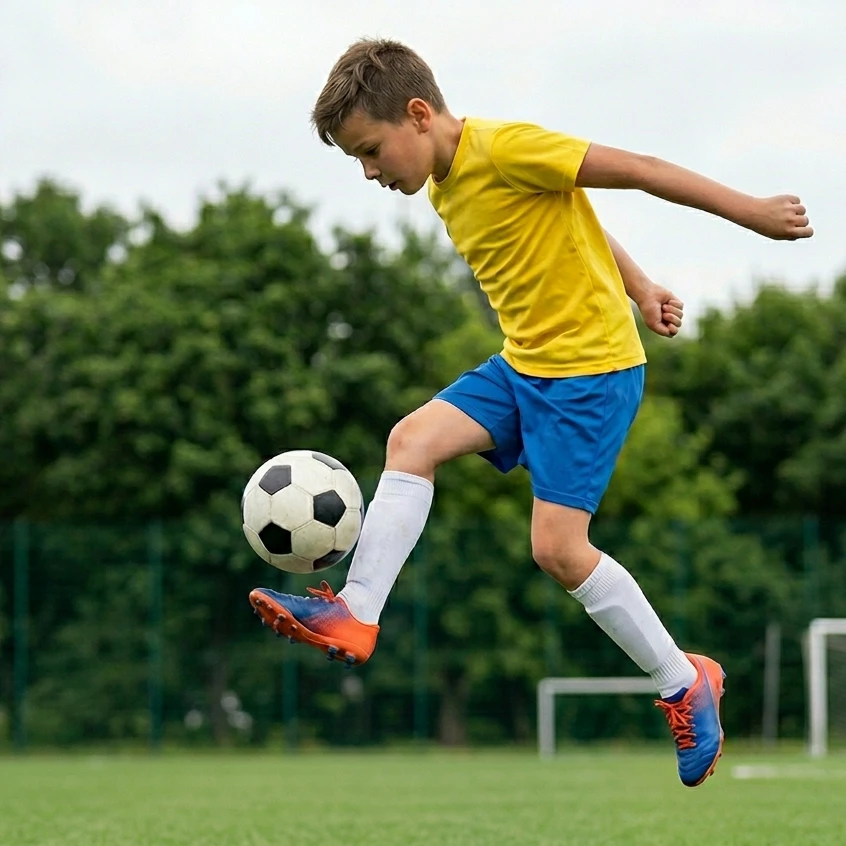
For example, a basketball player may warm up with light jogging, defensive slides, and shooting drills. A soccer player may use jogging, controlled passing, and gentle cutting movements.
Cool Down After Sports
After activity, a cool-down helps the body gradually transition back to rest. This can include light walking, gentle stretching, and mobility exercises.
For the feet and ankles, simple movements may include:
- Heel raises
- Ankle circles
- Toe raises
- Gentle calf stretching
- Drawing the alphabet in the air with the toes
Stretching should feel comfortable, not painful.
Increase Training Gradually
Many overuse injuries happen when kids do too much, too soon. This may happen after a break, at the start of a new season, during tournaments, or when a child joins multiple teams.
A common guideline is to avoid increasing training time, distance, or intensity by more than about 10% per week. This is not a perfect rule, but it can help families avoid sudden jumps in activity.
For example, a runner should not suddenly double mileage in one week. A pitcher should not rapidly increase throwing volume without rest. A child returning from injury should not go straight from rest to full competition.
Prioritize Rest and Recovery
Rest is part of training. Children need time for their muscles, bones, and joints to recover.
Parents can help by encouraging:
- At least one to two rest days each week
- Breaks between sports seasons
- Enough sleep
- Balanced meals and hydration
- Cross-training instead of repeating the same movements year-round
If a child is constantly sore, tired, or losing interest in a sport they usually enjoy, they may be overtraining.
Avoid Year-Round Single-Sport Training
Playing one sport all year without breaks can increase the risk of overuse injuries. This is especially true for athletes who play on multiple teams, attend frequent showcases, or compete in tournaments with limited recovery time.
This is common among young athletes participating in travel baseball, club volleyball, soccer, gymnastics, competitive cheer, and other year-round sports throughout the Clear Lake, Webster, League City, and Friendswood area.
Whenever possible, children should have an off-season or periods of lower intensity. Playing different sports or doing different types of activity can help develop overall strength, coordination, and athletic skill while reducing repetitive stress on the same body parts.
Use Proper Shoes and Equipment
The right gear matters. Shoes should fit well, match the sport, and provide appropriate support. Worn-out shoes can change how a child runs, lands, or cuts.
Protective equipment should also fit correctly and be used consistently, including helmets, pads, braces, guards, and sport-specific safety gear when appropriate.
Know the Signs Your Child May Be Playing Through Pain
Children may not always speak up when something hurts. Some worry they will miss a game, disappoint teammates, or lose their spot. Others may not know how to describe what they feel.
Parents and coaches should watch for signs such as:
- Limping
- Favoring one side
- Slower running or reduced performance
- Avoiding certain movements
- Rubbing or holding a painful area
- Swelling or bruising
- Pain during or after activity
- Pain that returns every time they play
- Complaints of soreness that do not improve with rest
- Changes in mood, effort, or confidence during sports
It is better to address pain early than to let a minor injury become a more serious one. Playing through pain can worsen the original injury and may cause new problems if the child changes the way they run, jump, throw, or land.
Foot and Ankle Pain in Young Athletes
Foot and ankle problems are common in active children, especially in sports that involve running, jumping, cutting, or quick direction changes.
Common causes include:
- Ankle sprains
- Heel pain from Sever’s disease
- Stress fractures
- Tendon irritation
- Flat feet or foot mechanics that contribute to pain
- Pain from shoes that do not fit or support the sport
Heel pain is especially common in growing athletes. Sever’s disease is not caused by one specific accident. It often develops when growth, repetitive impact, and tight calf muscles place stress on the heel area.
A child with foot or ankle pain should be evaluated if they limp, avoid putting weight on the foot, have swelling, or have pain that does not improve with rest.
When Should a Child See a Pediatric Orthopedic Specialist?
Not every ache needs a specialist, but certain symptoms should be evaluated.
Schedule a pediatric orthopedic visit if your child has:
- Pain that does not improve with rest
- Pain that keeps coming back during sports
- Limping or favoring one side
- Swelling, bruising, or visible deformity
- Pain near a joint or growth plate
- Trouble walking or bearing weight
- A sudden pop, snap, or sharp pain
- Numbness, tingling, or weakness
- Pain that wakes them at night
- A suspected fracture or dislocation
- Loss of motion, strength, or confidence after an injury
A pediatric orthopedic specialist can help determine whether the problem is a sprain, strain, fracture, growth plate injury, overuse injury, or another condition that needs treatment.
Returning to Sports Safely After an Injury
Most young athletes want to return to play as quickly as possible. The goal is not just a fast return — it is a safe return.
Before going back to full competition, a child should usually be able to:
- Walk without limping
- Move the injured area without significant pain
- Regain strength and flexibility
- Perform sport-specific movements safely
- Practice before returning to competition
- Follow the treatment plan from their provider
Returning too soon can increase the risk of reinjury and may lead to more time away from sports later.
Pediatric Sports Injury Care in Webster and Clear Lake
Young athletes throughout Webster, Clear Lake, League City, Friendswood, Pearland, and surrounding Southeast Houston communities often participate in year-round sports such as baseball, softball, soccer, volleyball, basketball, gymnastics, competitive cheer, and running.
These activities can increase the risk of overuse injuries, growth plate injuries, ankle sprains, heel pain, knee pain, and sports-related fractures.
CLS Health pediatric orthopedic specialists help evaluate and treat sports injuries in children and adolescents, with individualized treatment plans designed to support a safe return to school, sports, and everyday activities.
Help Your Young Athlete Stay Active Safely
Sports are an important part of many children’s lives. With proper warm-ups, gradual training, rest, and early attention to pain, many injuries can be prevented or treated before they become more serious.
If your child has pain that persists, changes how they move, or keeps them from participating fully, a pediatric orthopedic specialist can help identify the cause and create a safe treatment and return-to-play plan.
Schedule an appointment with CLS Health Pediatric Orthopedics in Webster, TX.
Book with Dr. Chhabra

Pediatric Orthopedic Surgery