
Key Takeaways
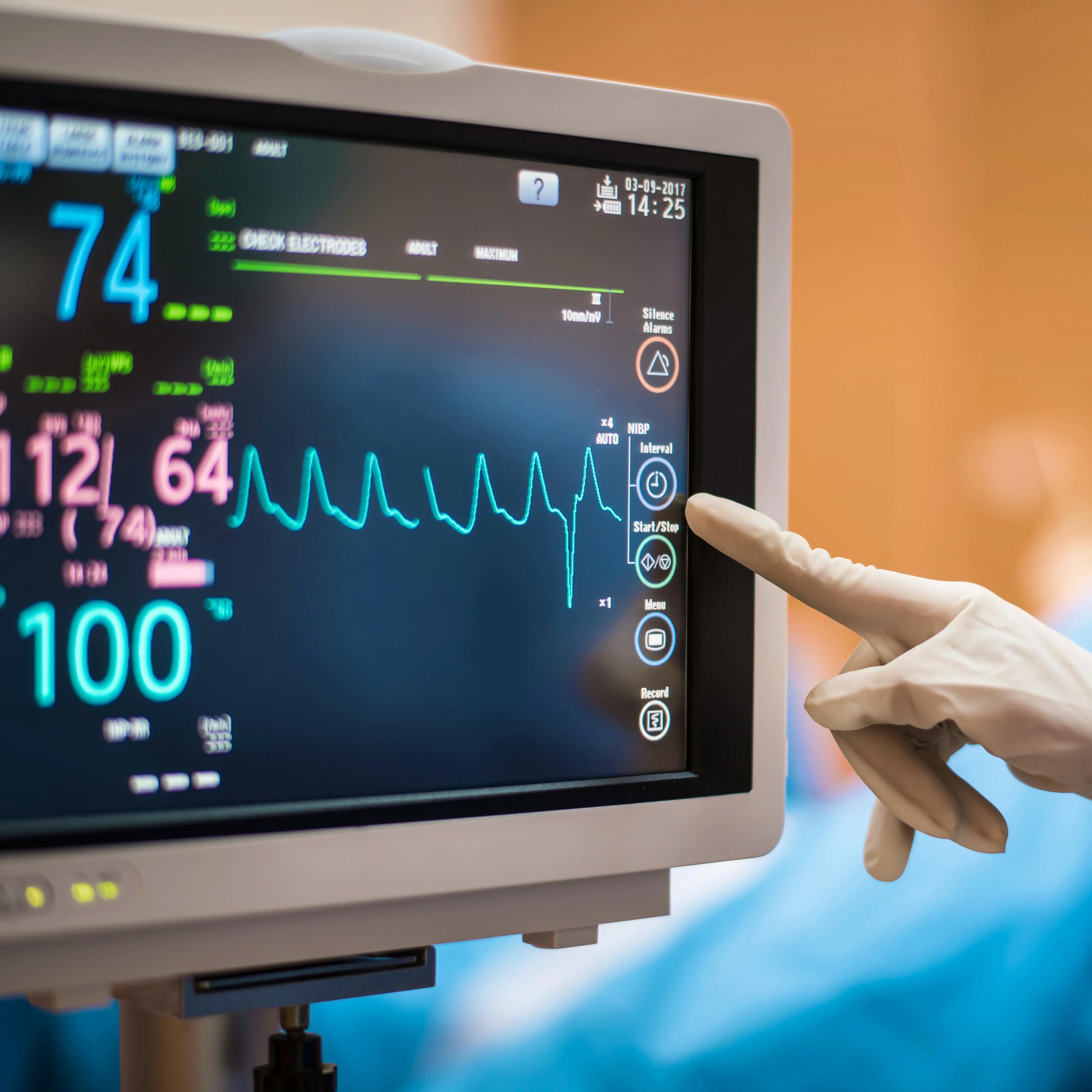
An ECG (EKG) is a quick, painless test that records your heart’s electrical activity.
It helps detect heart rhythm abnormalities and is often the first step in evaluating symptoms like palpitations, chest discomfort, or dizziness.
The test takes about 10 minutes, requires little preparation, and supports early detection and preventive heart care.
Quick, Non-Invasive Heart Rhythm Evaluation
An electrocardiogram (ECG or EKG) is a fast, non-invasive test that records the electrical activity of your heart. It provides an immediate snapshot of your heart rhythm and can help identify irregularities—even when symptoms are mild, brief, or intermittent.
ECG testing is commonly used for preventive heart care, symptom evaluation, and baseline cardiovascular assessments. Because many heart rhythm conditions develop silently, early testing can play a key role in identifying concerns before they progress.
What Is an ECG/EKG?
An ECG (also called an EKG) measures how electrical signals travel through the heart muscle. These signals control your heartbeat. By recording them, providers can evaluate:
- Heart rate and rhythm
- Timing of electrical impulses
- Signs of prior heart injury or strain
- Abnormal conduction patterns
The test captures heart activity at a single point in time. This makes it ideal for detecting persistent or active rhythm abnormalities.
Why an ECG Is Performed
Your provider may recommend an ECG if you:
- Experience palpitations, skipped beats, or rapid heartbeat
- Have chest discomfort, shortness of breath, or lightheadedness
- Manage high blood pressure, diabetes, or elevated cholesterol
- Have a family history of heart disease
- Need a baseline heart rhythm evaluation
- Are undergoing preventive cardiovascular screening
Many heart rhythm issues are subtle—or completely silent. An ECG helps identify concerns early, supporting timely treatment when necessary.
What an ECG Can Detect
ECG testing can help identify:
- Arrhythmias (irregular heart rhythms)
- Atrial fibrillation or atrial flutter
- Abnormally slow or fast heart rates
- Electrical conduction delays
- Signs of prior heart strain or injury
If your ECG results are normal, but symptoms persist, your provider may recommend longer-term monitoring.
What Happens During an ECG Test?
An ECG is simple and comfortable:
- Small adhesive electrodes are placed on your chest, arms, and legs.
- You lie still for a few minutes while the machine records heart activity.
- The test is painless and typically completed in under 10 minutes.
- The results are reviewed by your provider and explained clearly.
No special preparation is usually required, and you can resume normal activities immediately after the test.
ECG vs. Longer-Term Heart Rhythm Monitoring
An ECG captures your heart rhythm in the moment. However, some rhythm abnormalities occur sporadically.
When an ECG Is Enough
- Ongoing or frequent rhythm abnormalities
- Baseline heart screening
- Pre-procedure or preventive evaluations
When Additional Monitoring Is Helpful
- Intermittent palpitations
- Symptoms that come and go
- Unexplained dizziness or fainting
If needed, your provider may recommend extended monitoring to capture irregular rhythms outside the office setting.
When Symptoms Come and Go: Holter & Extended Monitoring
If your ECG is normal, but symptoms continue, extended heart rhythm monitoring may be recommended.
A Holter monitor records your heart rhythm continuously over 24–48 hours, helping capture abnormalities that may not appear during a brief ECG test. Other extended monitors can track heart rhythm for days or weeks when symptoms are infrequent.
Medical Heart Monitoring vs. Consumer Wearables
Smartwatches and fitness trackers can offer helpful heart rate insights, but they are not a replacement for medical-grade testing. Key differences include:
- Clinical ECGs are medically validated tests interpreted by healthcare professionals, unlike consumer wearables, which are designed primarily for fitness tracking.
- An ECG records detailed electrical activity, helping detect rhythm abnormalities that wearable devices may miss or misinterpret.
- Results are evaluated alongside your symptoms, medical history, and risk factors to guide appropriate next steps, including treatment or further monitoring.
Wearables may alert users to potential irregularities, but medical ECG testing is essential for accurate diagnosis and care planning.
ECG Testing as Part of Preventive Heart Care
ECGs are often used alongside:
- Blood pressure monitoring
- Cholesterol and blood sugar testing
- Cardiac imaging when appropriate
- Lifestyle and cardiovascular risk assessment
Together, these tools help guide early intervention and personalized heart care plans.
When to Schedule an ECG
Consider scheduling ECG testing if you:
- Have new or worsening heart-related symptoms
- Are managing cardiovascular risk factors
- Want a baseline heart rhythm evaluation
- Have been advised to undergo preventive screening
Proactive testing can provide clarity, reassurance, and early detection when it matters most.
Schedule an ECG/EKG Near You
Whether you’re experiencing symptoms like chest discomfort or palpitations — or simply taking a proactive approach to heart health — an ECG / EKG provides fast, reliable insight into your heart’s rhythm and function.
At CLS Health, our cardiologists offer convenient access to cardiac evaluation so you can get answers quickly and move forward with confidence.
Don’t ignore symptoms or delay preventive care. Book an appointment today.