Key Takeaways
Heart and vascular screenings can catch problems early—often before symptoms appear.
Non-invasive tests provide important insight into heart health with little to no risk.
Results are reviewed together to guide clear, personalized next steps for care.
Preventive Screenings, Advanced Testing, and Early Detection
Your heart and blood vessels play a vital role in your overall health—often long before symptoms appear. Heart and vascular diagnostic testing helps identify risk factors and early signs of disease so you can take action before serious complications develop.
At CLS Health, our cardiovascular diagnostic services are designed to support prevention, early detection, and personalized care. Whether you’re managing known risk factors or simply want a baseline heart check-up, timely testing provides clarity, peace of mind, and a path forward.
This information is especially helpful for adults with high blood pressure, high cholesterol, diabetes, a family history of heart disease, or lifestyle-related cardiovascular risk.
Who Should Consider Heart & Vascular Diagnostic Screening?
Preventive heart and vascular testing may be recommended for individuals who:
- Have high blood pressure, high cholesterol, diabetes, or obesity
- Have a personal or family history of heart disease or stroke
- Smoke or have a history of smoking
- Experience symptoms such as chest discomfort, shortness of breath, palpitations, dizziness, or leg pain with walking
- Want a baseline assessment of their heart and circulation health
Even without symptoms, screening can play an important role in identifying risk early.
How Preventive Testing Protects Your Heart and Circulation
Heart and vascular diagnostics support proactive care by:
- Identifying cardiovascular risk factors early
- Detecting structural, rhythm, or circulation concerns
- Helping prevent heart attack, stroke, and progression of vascular disease
- Supporting individualized care plans and long-term monitoring
Early detection allows for earlier intervention—often before more invasive treatment is needed.
Diagnostic Services We Offer
Lab Testing for Cardiovascular Risk Assessment
Lab testing is often the first step in preventive heart care. These tests help uncover underlying risk factors that contribute to cardiovascular disease.
Common lab tests include:
- Lipid Profile – Evaluates cholesterol levels linked to heart attack and stroke risk
- Blood Sugar & A1C – Assesses diabetes and metabolic risk that can damage blood vessels
- Inflammatory Markers – May help identify early cardiovascular inflammation
Non-Invasive Cardiac Imaging
Cardiac imaging provides detailed information about heart structure, function, and blood flow—often before symptoms appear.
Available imaging includes:
- Echocardiogram (Standard & Stress) – Evaluates heart structure, valve function, and pumping ability
- Nuclear Stress Testing – Assesses blood flow to the heart during physical activity or pharmacologic stress
- PET/CT Scan – Advanced imaging that evaluates coronary blood flow and heart muscle health with high precision
- Cardiac MRI – Provides detailed assessment of heart anatomy, function, and tissue characteristics
- Cardiovascular CT (including Calcium Scoring) – Identifies plaque buildup and assesses coronary artery disease risk
Calcium scoring, in particular, is a valuable screening tool for patients seeking early insight into coronary risk.
Heart Rhythm Monitoring
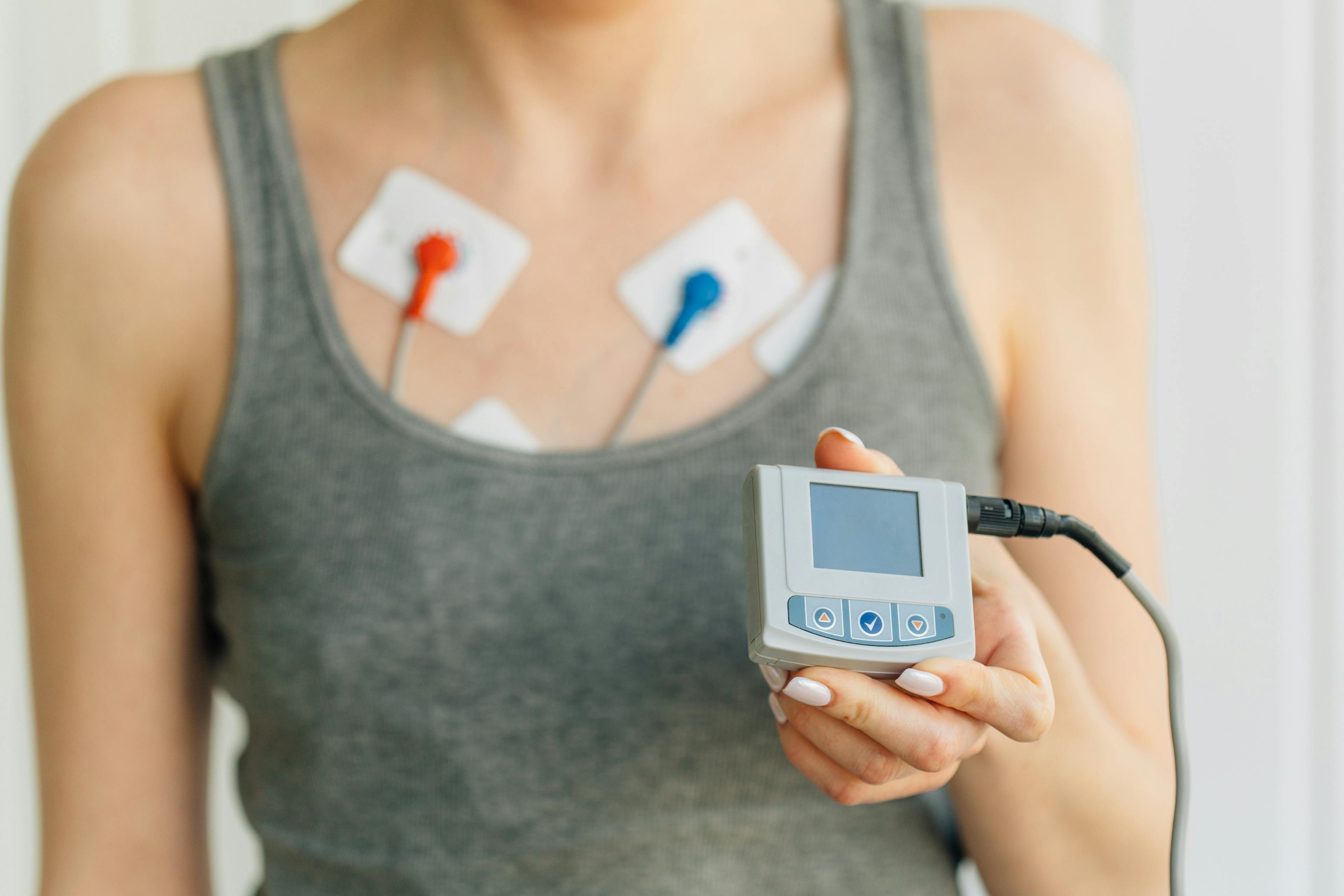
Heart rhythm issues may be intermittent or silent, making them difficult to detect during a routine visit. Rhythm monitoring helps capture irregular heartbeats over time.
Monitoring options include:
- Electrocardiogram (EKG) – Snapshot of heart rhythm
- Holter Monitor – Continuous short-term rhythm monitoring
- Event Monitor – Records rhythm during symptoms
- Implantable Loop Recorder – Long-term monitoring for infrequent or unexplained symptoms
Vascular Testing & Circulation Screening
Vascular testing evaluates blood flow throughout the body, helping detect circulation problems early.
Testing may include:
- Vascular Ultrasound – Assesses arteries and veins for narrowing or blockages
- Ankle-Brachial Index (ABI) – Screens for peripheral artery disease (PAD)
- CT Angiography – Detailed imaging of blood vessels
- MR Angiography – Non-invasive vascular imaging without radiation
Conditions Commonly Identified Through Screening
Preventive heart and vascular diagnostics can help identify or monitor conditions such as:
- High blood pressure (hypertension)
- Coronary artery disease
- Heart rhythm disorders, including atrial fibrillation
- Peripheral artery disease
- Structural heart abnormalities
- High cholesterol and metabolic risk
Early detection supports earlier treatment and better long-term outcomes.
What Happens After Your Diagnostic Tests?
After your testing is complete, your care team will guide you through the next steps:
- Personalized Review – Results are reviewed with you in clear, understandable terms
- Next Steps – Recommendations may include lifestyle changes, monitoring, additional testing, or treatment
- Ongoing Care – When needed, care is coordinated across cardiology, vascular care, and primary care
Our goal is to ensure you understand your results and feel confident about your care plan.
Take the Next Step in Preventive Heart Care
Early detection empowers better decisions and long-term protection.
Whether you’re focused on prevention, managing known risk factors, or evaluating symptoms, our diagnostic team in Houston is here to help guide your next step.