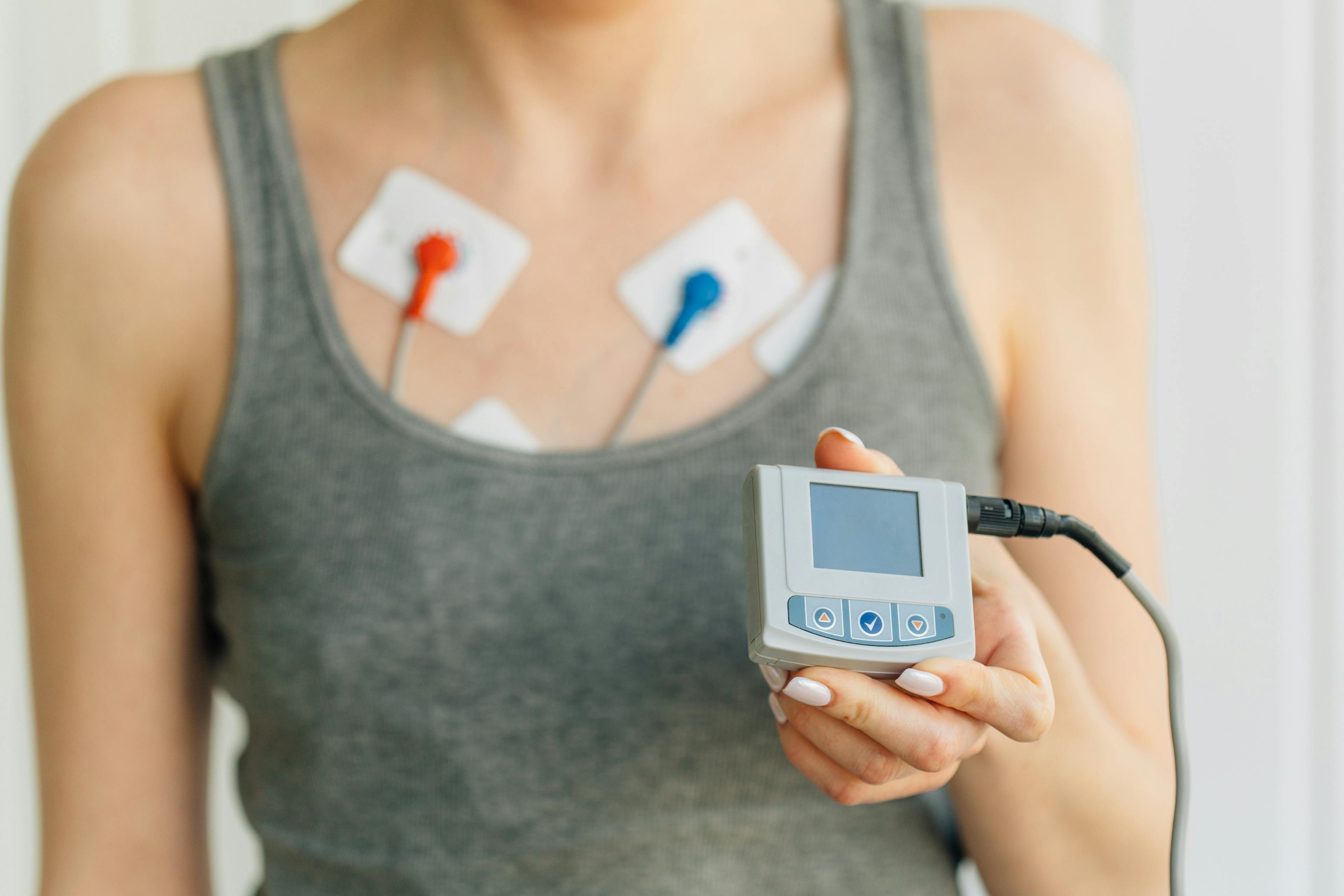

If you’ve ever felt your heart flutter, skip a beat, or race unexpectedly, it can be unsettling. A diagnosis of atrial fibrillation (AFib)—or even the possibility of it—often raises questions. This guide explains what causes AFib, whether it can be cured, how stress plays a role, and the most up-to-date treatment options.
What Is Atrial Fibrillation?
Atrial fibrillation is a common type of arrhythmia in which the upper chambers of the heart (atria) beat irregularly and out of sync with the lower chambers (ventricles). This disrupts normal blood flow and increases the risk of blood clots, stroke, heart failure, and other complications.
Some people have no symptoms, while others may experience:
- A racing or irregular heartbeat
- Fatigue
- Dizziness or lightheadedness
- Shortness of breath
- Chest discomfort
If you notice these symptoms, it’s important to speak with your healthcare provider.
What Causes Atrial Fibrillation?
AFib often develops due to changes in heart structure or function. Common causes include:
- High blood pressure
- Coronary artery disease
- Heart valve disease
- Heart failure
- Thyroid disorders
- Sleep apnea
- Previous heart surgery
Some cases have no identifiable cause (called lone AFib).
Can Stress Cause Atrial Fibrillation?
Stress does not directly cause AFib, but it can trigger episodes or worsen symptoms in susceptible people. Triggers include:
- Emotional stress or anxiety
- Physical stress from illness
- Poor sleep
- Caffeine or alcohol
Healthy stress-reduction habits—such as regular exercise, relaxation techniques, and consistent sleep—may help reduce AFib episodes.
Is Atrial Fibrillation Genetic?
A family history of AFib can increase your risk. Certain genetic mutations are associated with AFib, especially in people diagnosed at a younger age or without other heart disease.
However, genetics is only one factor—blood pressure, lifestyle, and underlying health conditions also play significant roles.
Is Atrial Fibrillation Curable?
AFib may be temporary, persistent, or long-term, depending on the type:
- Paroxysmal AFib: Episodes start and stop on their own
- Persistent AFib: Requires treatment to return to normal rhythm
- Permanent AFib: Ongoing arrhythmia despite treatment
Some people with paroxysmal AFib improve significantly with treatment and lifestyle changes. However, AFib is generally considered a chronic condition that requires long-term management. With proper care, most people live active, healthy lives.
What Are the Latest Treatments for Atrial Fibrillation?
AFib treatment focuses on three goals:
- Preventing stroke
- Controlling heart rate
- Maintaining normal rhythm when appropriate
Your provider will tailor treatment to your type of AFib, symptoms, and overall health.
Medications
- Blood thinners (anticoagulants) reduce the risk of stroke.
- Rate-control medications help keep the heartbeat stable.
- Rhythm-control medications help maintain a normal rhythm.
Testing & Diagnosis
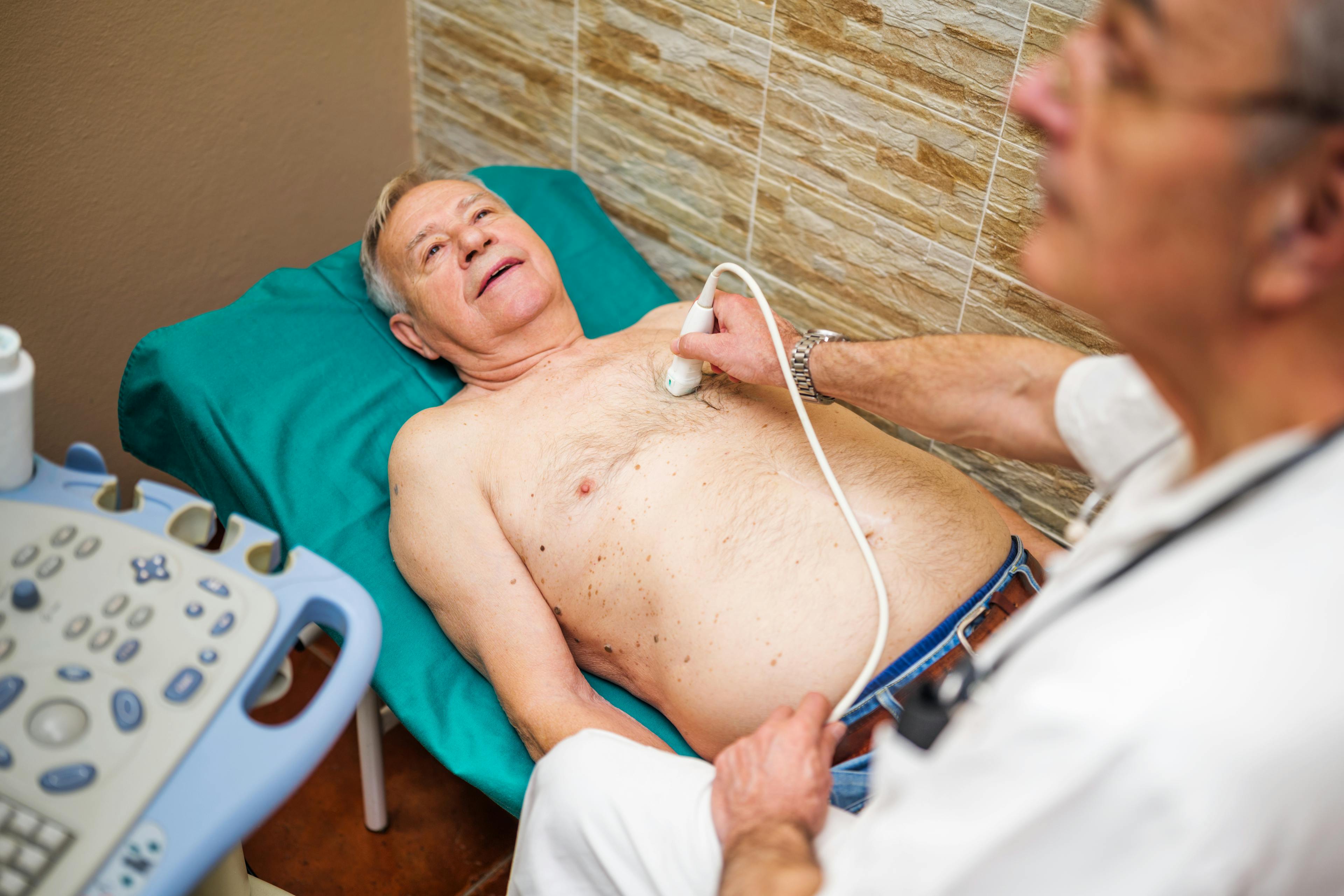
An echocardiogram is often used early in evaluation to assess heart function and identify structural issues that may contribute to AFib.
Procedures
- Electrical cardioversion: Resets the heart rhythm.
- Catheter ablation: Targets the heart tissue causing irregular signals.
- Maze surgery: Creates precise scar lines to block abnormal electrical pathways (usually done during other cardiac surgeries).
- Left atrial appendage closure: Reduces stroke risk in people who cannot take blood thinners.
Lifestyle Recommendations
Heart-healthy changes can reduce episode frequency:
- Balanced diet with plenty of whole foods
- Regular physical activity
- Limiting caffeine and alcohol
- Maintaining a healthy weight
- Treating sleep apnea
- Avoiding tobacco
When to Contact an Electrophysiologist for Atrial Fibrillation Treatment
Seek care if you experience:
- Palpitations
- Dizziness or faintness
- Shortness of breath
- Unusual fatigue
- Chest discomfort
People with high blood pressure, heart disease, or sleep apnea should consider consulting an electrophysiologist, a cardiologist who specializes in heart rhythm disorders.