
Quick Facts About Glaucoma
One of the leading causes of irreversible blindness worldwide
Often develops without noticeable symptoms in early stages
Regular eye exams are the best way to detect glaucoma early
Glaucoma is a leading cause of vision loss worldwide. The condition damages the optic nerve, which sends visual information from the eye to the brain. Although glaucoma can lead to permanent vision loss, early detection and treatment can often slow or prevent serious damage.
Because many forms of glaucoma develop gradually without noticeable symptoms, regular eye exams are essential for protecting your long-term vision.
Early Signs of Glaucoma
The early signs of glaucoma are often subtle and easy to miss. In many cases, the condition develops slowly and may not cause noticeable symptoms until vision loss has already begun.
Possible early symptoms may include:
- noticeable changes in the visual field
- difficulty seeing objects outside your direct line of sight
- mild blurred vision
- difficulty adjusting to darker environments
Because early glaucoma symptoms are often mild, many people are unaware they have the condition until an eye exam detects it.
Symptoms of Advanced Glaucoma
As glaucoma progresses, symptoms may become more noticeable and may include:
- tunnel vision
- patchy or blurred vision
- difficulty seeing in low-light environments
- trouble navigating crowded or dim spaces
These symptoms occur because glaucoma gradually damages the optic nerve and reduces the visual field.
What Does Glaucoma Vision Look Like?
In the early stages, glaucoma may not noticeably affect vision. As the condition progresses, many people experience a gradual loss of peripheral (side) vision.
Over time, this vision loss may create a “tunnel vision” effect, where the central field of vision remains clear, but side vision becomes limited. Patients may also experience missing spots or blurred patches in their vision that the brain often fills in, making the changes harder to notice at first. This can make it difficult to detect vision loss early, which is why regular glaucoma screening is so important.
Vision loss caused by glaucoma cannot usually be reversed, which is why early diagnosis and treatment are important.
What Is Glaucoma?
Glaucoma is a group of eye diseases characterized by progressive damage to the optic nerve, often described medically as a progressive optic neuropathy.
In many cases, this damage is related to increased pressure inside the eye, known as intraocular pressure (IOP). However, glaucoma can also occur even when eye pressure remains within the normal range. Because of this, comprehensive eye exams are necessary to detect glaucoma early.
A common misconception is that glaucoma simply means “high eye pressure.” While elevated pressure is a major risk factor, not everyone with high eye pressure develops glaucoma, and some people with normal pressure still develop optic nerve damage.
What Causes Glaucoma?
Glaucoma often develops when the eye’s natural fluid, called aqueous humor, cannot drain properly through the eye’s drainage system. When drainage is impaired, pressure inside the eye can increase and damage the optic nerve over time.
In some cases, optic nerve damage can occur even when eye pressure remains within normal limits.
Who Is at Risk for Glaucoma?
Several factors increase the risk of developing glaucoma, including:
- age over 60
- family history of glaucoma
- African American, Hispanic, or Asian ancestry
- diabetes or high blood pressure
- previous eye injury
- long-term steroid medication use
- elevated intraocular pressure
- thin central corneal thickness (CCT)
- high myopia or hyperopia
Individuals with these risk factors should have regular comprehensive eye exams to detect glaucoma early.
Types of Glaucoma
Open-Angle Glaucoma
Open-angle glaucoma is the most common form of the disease. It develops gradually as the eye’s drainage system becomes less efficient over time.
Because it progresses slowly, most patients have no symptoms until vision loss begins.
Angle-Closure Glaucoma
Angle-closure glaucoma occurs when the drainage angle inside the eye becomes blocked. Eye pressure can rise quickly, making this condition a medical emergency.
Symptoms of acute angle-closure glaucoma may include:
- severe eye pain
- headache
- nausea or vomiting
- halos around lights
- blurred vision
- sudden vision loss
If these symptoms occur, seek emergency medical care immediately.
Normal Tension Glaucoma
Normal tension glaucoma, also called normal pressure glaucoma, occurs when optic nerve damage develops even though eye pressure remains within the normal range.
The exact cause is not fully understood, but reduced blood flow to the optic nerve may play a role. Regular eye exams and optic nerve monitoring are important for diagnosing this condition.
Secondary Glaucoma
Secondary glaucoma occurs when another condition or medication causes increased eye pressure. Possible causes include:
- eye injury
- inflammation
- steroid medications
- certain eye diseases
Glaucoma Testing and Diagnosis
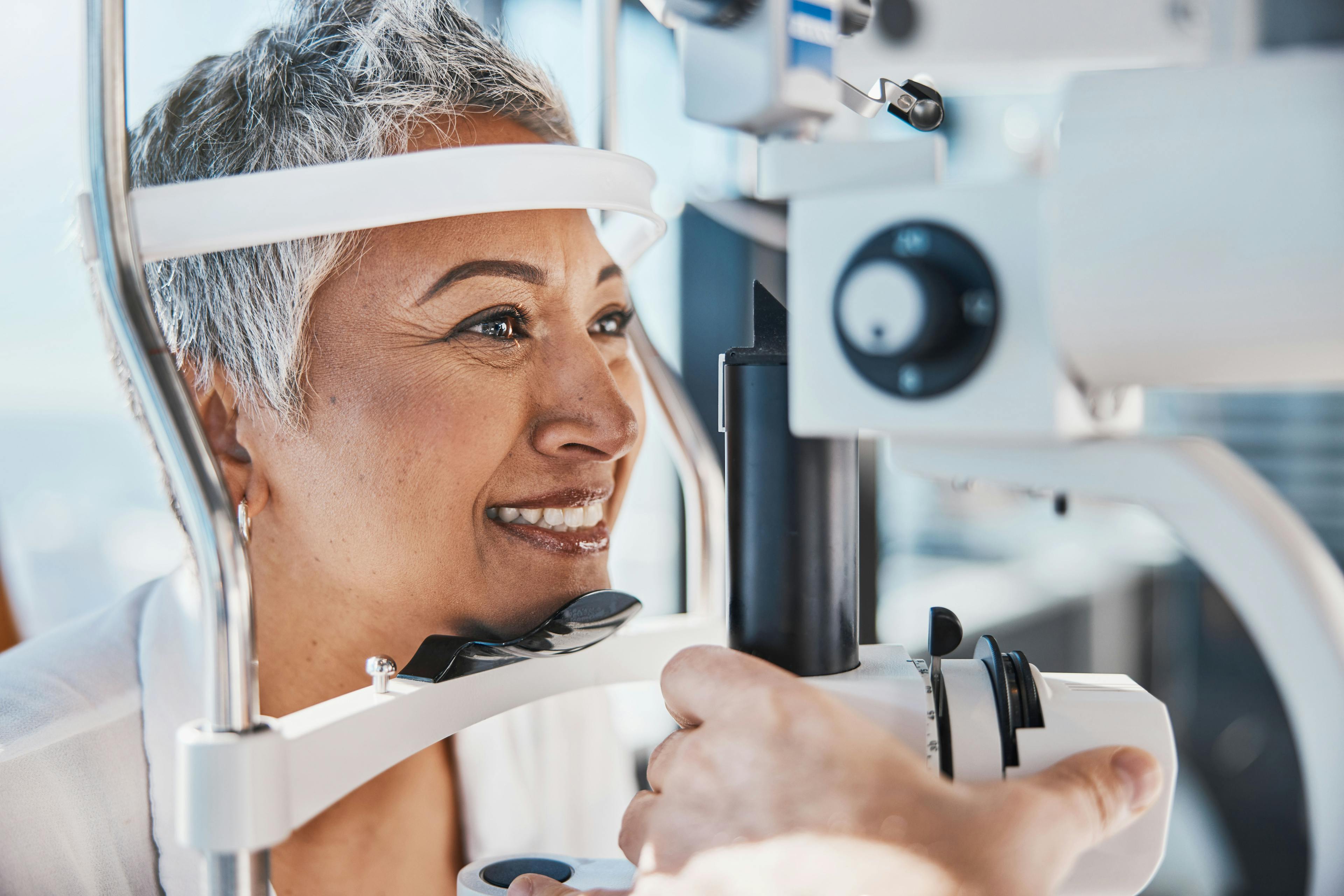
Early detection is essential for preventing vision loss. Eye doctors use several glaucoma tests and screening exams to evaluate eye pressure and optic nerve health.
Common glaucoma tests include:
- Tonometry – measures eye pressure
- Visual field testing – detects peripheral vision loss
- Optical coherence tomography (OCT) – evaluates optic nerve damage
- Gonioscopy – examines the eye’s drainage angle
Your doctor may recommend regular glaucoma screening, especially if you have risk factors for the condition.
Glaucoma Treatment Options
Although glaucoma cannot be cured, modern treatments can often slow or prevent further vision loss by lowering eye pressure and protecting the optic nerve.
Treatment options may include:
Medications
Prescription eye drops are the most common glaucoma treatment. These medications help lower eye pressure by reducing fluid production or improving drainage.
Oral medications may also be prescribed in certain cases, typically as a short-term treatment for acute pressure spikes rather than for long-term glaucoma management.
Selective Laser Trabeculoplasty (SLT)
Selective laser trabeculoplasty (SLT) is a gentle laser treatment that helps improve the eye’s natural drainage system. It is often used as a first-line treatment for glaucoma and can reduce the need for daily eye drops.
SLT works by stimulating the drainage tissue of the eye so fluid can flow more freely, lowering eye pressure. The procedure is quick, performed in the office, and typically requires little recovery time.
Treatment for Narrow-Angle Glaucoma
Patients with narrow drainage angles may benefit from laser peripheral iridotomy (LPI). This procedure creates a tiny opening in the iris that allows fluid to flow more freely, helping prevent dangerous pressure spikes.
In some cases, cataract surgery can also help open the eye’s drainage angle, which may lower eye pressure and improve fluid flow.
Minimally Invasive Glaucoma Surgery (MIGS)
Modern glaucoma care often includes minimally invasive glaucoma surgery (MIGS) procedures that help improve the eye’s natural drainage system by restoring fluid flow through the eye’s drainage pathways, including Schlemm’s canal.
Examples include:
- iStent
- goniotomy
- canaloplasty
These procedures enhance the eye’s natural drainage pathways, helping lower eye pressure while avoiding the risks of more traditional glaucoma surgeries.
Glaucoma vs. Cataracts: What’s the Difference?
Although both conditions affect vision, they involve different parts of the eye.
Glaucoma
- damages the optic nerve
- often develops without early symptoms
- cause clouding of the eye’s natural lens
- lead to blurred or dim vision
A person can have both conditions at the same time.
LASIK and Glaucoma
Patients with glaucoma may not always be ideal candidates for LASIK, especially if accurate long-term pressure monitoring is required. The procedure can change corneal thickness and affect eye pressure measurements, which may complicate glaucoma monitoring.
Your eye specialist can determine whether LASIK or another vision correction procedure, such as PRK, is appropriate based on your eye pressure, corneal thickness, and overall eye health.
Pediatric and Congenital Glaucoma
Although rare, congenital and pediatric glaucoma can occur in infants and children.
Warning signs may include:
- cloudy cornea
- excessive tearing
- light sensitivity
Early diagnosis and treatment are critical to protecting a child’s vision.
When to See a Doctor for Possible Glaucoma
You should schedule an eye exam if you experience:
- changes in peripheral vision
- blurred vision or halos around lights
- eye pain or pressure
- sudden vision changes
People with risk factors for glaucoma should have routine eye exams even if they do not have symptoms.
FAQs
The early signs of glaucoma often involve changes in the visual field, which may include difficulty seeing objects outside central vision. In many cases, the disease develops slowly and may not cause noticeable symptoms at first. Because early glaucoma can be difficult to detect, regular eye exams are the most reliable way to diagnose the condition early.
Glaucoma cannot currently be cured. However, treatment can slow or prevent further vision loss when the disease is detected early. Medications, laser therapy, and surgery may help lower eye pressure and protect the optic nerve.
Glaucoma is typically treated by an ophthalmologist. Ophthalmologists are medical doctors who specialize in diagnosing and treating eye diseases and performing eye surgery. Optometrists may help detect glaucoma during routine eye exams and refer patients for specialized treatment.
Adults over age 40 should have regular comprehensive eye exams to screen for glaucoma. People with risk factors such as family history, diabetes, or elevated eye pressure may need more frequent screenings as recommended by their eye doctor.
Yes, glaucoma can run in families. People with a family history of glaucoma have a higher risk of developing the disease. Regular eye exams are especially important for individuals with affected relatives so that glaucoma can be detected and treated early.
Glaucoma Screening in Houston and Clear Lake
At CLS Health, our eye specialists provide comprehensive glaucoma screening, diagnosis, and treatment to help protect your vision.
Your visit includes a thorough eye exam, advanced imaging when needed, and a personalized care plan based on your eye health and risk factors.
Glaucoma often develops without noticeable symptoms, which is why routine eye exams are so important. With early detection and consistent treatment, many people with glaucoma maintain stable vision for years.
Schedule a glaucoma screening in Houston to evaluate your eye health and detect vision problems early.