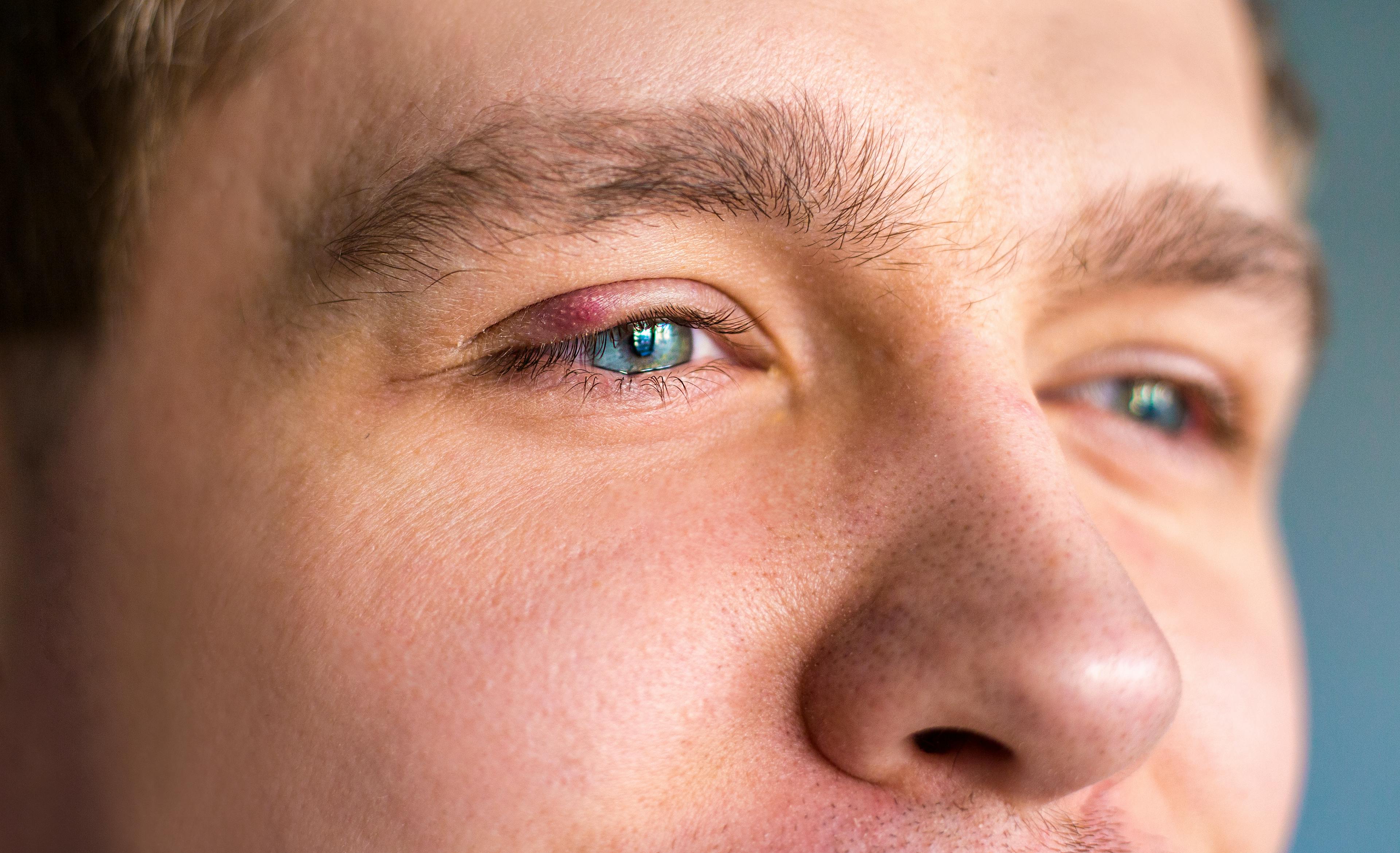

Blepharitis is one of the most common conditions seen by eye doctors, affecting nearly half of the patients who visit eye care clinics. This chronic eyelid condition causes redness, irritation, and discomfort that can impact daily life. Although symptoms often return after treatment, consistent care and maintenance can help control flare-ups.
If you’re struggling with persistent eyelid inflammation, our ophthalmology specialists in Houston can provide an accurate diagnosis and a wide range of treatment options to help you find lasting relief.
Understanding Blepharitis: Causes and Types
Blepharitis occurs when the eyelid margins become inflamed, often due to bacteria, an overgrowth of Demodex eyelash mites, clogged oil glands, or underlying skin conditions such as rosacea or seborrheic dermatitis.
There are three main types:
Anterior Blepharitis
Affects the outer edge of the eyelids near the base of the eyelashes. It is often associated with bacterial buildup or an overgrowth of Demodex mites—microscopic mites that live around the eyelashes. Demodex can leave cylindrical, dandruff-like debris called collarettes around the base of the lashes.
Posterior Blepharitis
Occurs when the oil-producing meibomian glands inside the eyelids become blocked or inflamed. This type is frequently linked with meibomian gland dysfunction (MGD) and skin conditions such as rosacea.
Ulcerative Blepharitis
A rarer but more severe form associated with bacterial infection or significant inflammation. It can cause crusting, soreness, and small ulcerations along the lash line.
Some patients experience a combination of both anterior and posterior blepharitis, which can make symptoms more persistent. Understanding your type helps your eye doctor determine the most effective treatment plan.
Recognizing the Symptoms of Blepharitis
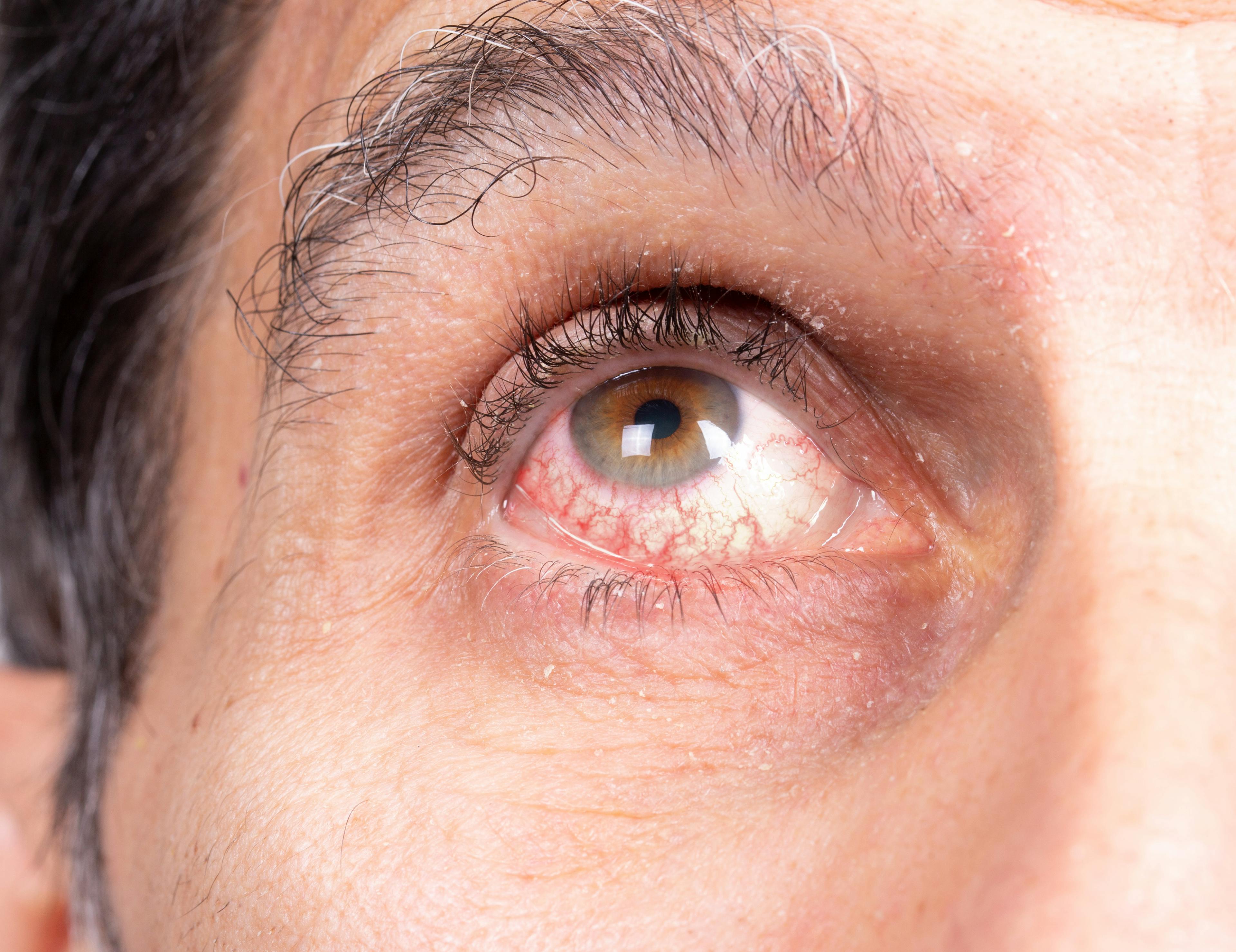
Symptoms usually affect both eyes and are often most noticeable upon waking.
Common signs include:
- Red, swollen, or irritated eyelids
- A burning or stinging sensation
- Crusty or greasy eyelashes
- A gritty or sandy feeling in the eyes
- Watery or dry eyes
- Light sensitivity
While the condition itself does not threaten vision, ongoing inflammation can lead to complications such as:
- Styes or chalazia
- Chronic dry eye
- Difficulty wearing contact lenses
- Eyelid margin thickening or scarring
Early and consistent care is key to preventing these issues.
Blepharitis Treatment Options
In-Office and Prescribed Treatments
For moderate to severe cases, your ophthalmologist may recommend a combination of medical and procedural treatments to reduce inflammation, clear infection, and restore healthy eyelid function:
- Antibiotic ointments or drops (e.g., bacitracin, erythromycin) to reduce bacterial overgrowth
- Targeted prescription eye drops: Medications such as Xdemvy® are specifically approved to treat Demodex blepharitis by targeting the mites responsible for the condition.
- Oral antibiotics (e.g., doxycycline) for posterior blepharitis or meibomian gland dysfunction
- Short-term steroid eye drops to calm acute inflammation
- Lubricating eye drops to relieve dryness and improve comfort
In-Office Eyelid Therapies
- BlephEx®: Deeply cleans the eyelid margins to remove debris and buildup.
- Intense Pulsed Light (IPL): Helps reduce inflammation and improve the function of blocked oil glands.
- Thermal eyelid treatments: Technologies such as LipiFlow®, TearCare®, and iLux® warm and express blocked meibomian glands to improve oil flow and tear-film quality.
Your ophthalmologist will tailor treatment to your specific type of blepharitis and may combine therapies for optimal results.
Blepharitis Remedies and Self-Care Tips
Consistent at-home eyelid care is essential for controlling symptoms and preventing recurrence. Your eye doctor may recommend:
- Warm compresses: Apply for 5–10 minutes to loosen crusts and open oil glands
- Eyelid cleansing: Clean the lash line with a dedicated commercial eyelid wipe, including appropriately formulated tea tree oil products when recommended, or a gentle hypochlorous acid lid spray. Ask your eye doctor which product is safest for your condition, as tea tree oil products can irritate some eyes.
- Omega-3 supplements: May support a healthier tear film
- Humidifiers: Add moisture to dry indoor air
- Lifestyle adjustments: Limit eye makeup during flare-ups and avoid rubbing your eyes
Combining daily lid hygiene with professional care helps manage flare-ups and maintain long-term eyelid health.
Chronic Blepharitis Management: Preventing Recurrence
Blepharitis often becomes a chronic condition that requires ongoing care. Even when symptoms improve, maintenance routines help prevent them from returning.
Long-term management may include:
- Regular lid hygiene and warm compresses
- Ongoing follow-up visits with your ophthalmologist
- Treatment of underlying conditions, such as rosacea or dry eye
- Periodic in-office eyelid cleanings or gland treatments
Maintaining clean eyelid margins, managing allergies or skin conditions, and replacing or sanitizing makeup tools can also help reduce irritation and bacterial buildup. Patients with chronic blepharitis benefit most from consistent at-home care paired with regular eye exams.
When to See a Specialist for Blepharitis Treatment
Schedule an eye exam if you experience:
- Vision changes or persistent blurriness
- Worsening eyelid redness, swelling, or pain
- Recurrent styes or chalazia
- Crusting that does not improve with home care
- Discomfort while wearing contact lenses
A specialist’s evaluation helps confirm the cause and determine the most effective treatment plan.
Blepharitis Treatment in Houston
CLS Health’s ophthalmology team provides comprehensive diagnosis and treatment for anterior, posterior, ulcerative, and chronic blepharitis. Our board-certified eye specialists in Webster and Sugar Land use advanced tools to evaluate eyelid inflammation and design personalized treatment plans.
When needed, we collaborate with dermatologists and optometrists to address related skin and eye conditions, helping you maintain healthier, more comfortable eyes over time.
Find a blepharitis specialist near Houston
Don’t let blepharitis discomfort disrupt your day. Find an ophthalmologist near you and get the personalized care you need for lasting relief.
Book with Dr. Khan

Cornea and External Diseases, Ophthalmology