CLS Health ophthalmologists provide PRK surgery in Houston for patients seeking long-term laser vision correction without a corneal flap. PRK (photorefractive keratectomy) can correct nearsightedness, farsightedness, and astigmatism and may be an option for patients who aren't ideal candidates for LASIK.
Whether PRK or LASIK is right for you depends on factors such as your prescription, corneal thickness, eye health, and lifestyle. A comprehensive eye evaluation can help determine which approach best fits your vision needs.
What Is PRK Surgery?
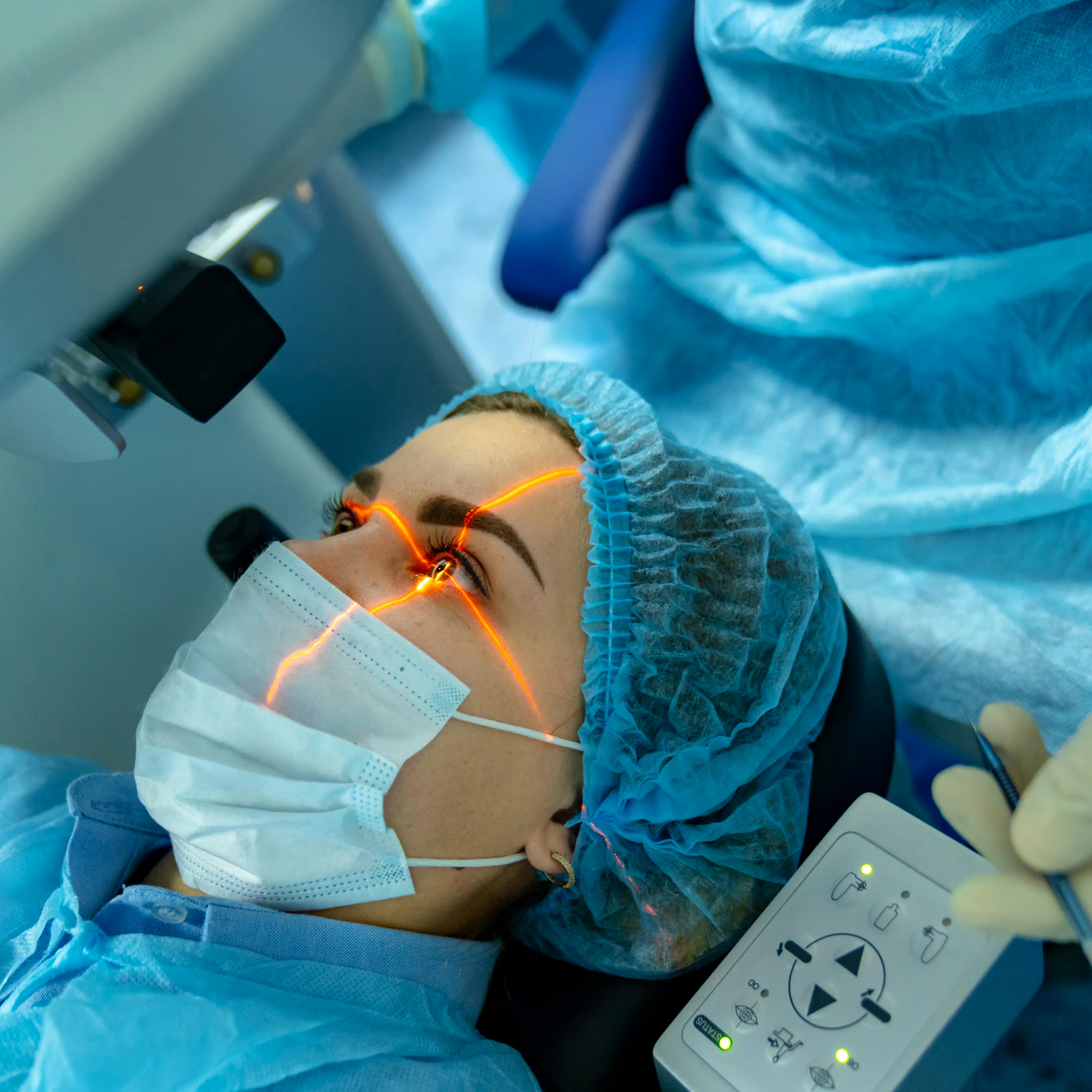
PRK, or photorefractive keratectomy, corrects refractive errors such as nearsightedness, farsightedness, and astigmatism. During surgery, a laser gently reshapes the corneal surface so that light focuses properly on the retina.
Unlike LASIK, PRK doesn’t involve creating a corneal flap—the thin outer layer (epithelium) is removed and naturally regenerates during healing. This makes PRK ideal for patients with thinner corneas, irregular surfaces, or those in careers like military service, law enforcement, or contact sports where flap complications may occur.
At CLS Health, our board-certified ophthalmologists perform PRK using advanced laser technology to ensure safety and precision.
Who Is a Candidate for PRK Surgery?
PRK may be an option for adults seeking laser vision correction who meet appropriate vision and eye-health criteria. Because PRK doesn't require creation of a corneal flap, it may also be considered for some patients who aren't ideal candidates for LASIK.
Potential candidates may include people who:
- Have a stable vision prescription
- Have nearsightedness, farsightedness, and/or astigmatism within treatable ranges
- Have adequate corneal health for laser vision correction
- Have thinner corneas that may make LASIK less appropriate
- Participate in contact sports or activities where avoiding a corneal flap may be advantageous
- Have realistic expectations about vision correction and recovery
A comprehensive eye exam is necessary to determine whether PRK, LASIK, or another vision correction option is appropriate for you.
PRK vs. LASIK: Which Is Better for You?
PRK and LASIK achieve the same visual outcomes—your ophthalmologist will help determine which procedure best fits your eye health and lifestyle.

Neither procedure is automatically better. Your ophthalmologist can evaluate your corneas, prescription, eye health, and lifestyle to determine which option may be more appropriate.
Not Sure Whether PRK or LASIK Is Right for You?
You don't have to decide between PRK and LASIK on your own. A CLS Health ophthalmologist can evaluate your prescription, corneal health, and vision goals and recommend the vision correction option that may be appropriate for you.
The PRK Procedure: Step-by-Step
- Comprehensive Eye Exam: Your ophthalmologist measures corneal thickness, pupil size, and checks for dry eye or other conditions.
- Numbing Drops: Applied to keep the eye comfortable throughout the procedure.
- Removing the Epithelium: The thin surface layer of the cornea is gently removed.
- Laser Reshaping: An excimer laser reshapes the cornea within minutes.
- Protective Bandage Lens: A soft lens is placed over the eye to protect it while the surface layer heals.
The laser treatment itself is typically brief, although total procedure time varies.
PRK Recovery: Timeline and Expectations
PRK recovery is typically more gradual than LASIK because the outer layer of the cornea needs time to heal. Vision generally improves over the following weeks and months, although the exact recovery timeline varies from person to person.
- First few days: Blurry vision, light sensitivity, tearing, and mild to moderate discomfort are common while the corneal surface begins to heal. Prescribed eye drops and medications can help manage symptoms.
- First week: A bandage contact lens is typically worn temporarily to protect the eye while the surface heals. Your ophthalmologist will remove it when healing has progressed appropriately.
- Following weeks: Vision typically becomes clearer but may fluctuate as the eyes continue to heal. Your ophthalmologist will monitor your progress during follow-up visits.
- Following months: Vision may continue to sharpen and stabilize as healing progresses.
During recovery, follow your ophthalmologist's instructions about eye drops, activity restrictions, swimming, eye makeup, sun protection, and when it is safe to drive or return to other activities.
PRK Surgery Cost in Houston
PRK typically costs several thousand dollars per eye, although exact pricing depends on your prescription, treatment needs, technology, and other factors.
Because PRK is generally considered elective vision correction, medical and vision insurance often do not cover the procedure. Eligible patients may be able to use HSA or FSA funds, and financing options may be available. Our team can review current pricing and payment options during your consultation.
How Long Does PRK Last?
PRK permanently reshapes the cornea, and many patients experience long-lasting vision correction. However, PRK does not prevent normal age-related changes in the eyes. Presbyopia, cataracts, and other changes can affect vision later in life even after successful PRK surgery.
Why Choose CLS Health for PRK Surgery?
Choosing laser vision correction starts with determining which procedure is appropriate for your eyes and vision goals. CLS Health ophthalmologists provide personalized evaluation, surgical care, and follow-up throughout your PRK journey.
- Board-certified ophthalmology care
- Comprehensive evaluation for PRK and other vision correction options
- Personalized recommendations based on corneal health and vision needs
- Advanced laser vision correction technology
- Preoperative and postoperative care within the same ophthalmology practice
- Convenient care in Webster near Clear Lake
PRK Surgery Near Houston & Clear Lake
CLS Health provides PRK consultations and laser vision correction care at our ophthalmology clinic in Webster, TX, conveniently serving patients from Clear Lake, League City, Friendswood, Nassau Bay, Seabrook, and surrounding Greater Houston communities.
CLS Health Eye Center - Clear Lake
CLS Health Eye Center - Clear Lake
905 West Medical Center Boulevard, Suite 101, Webster, TX 77598
Meet Your PRK Surgeon
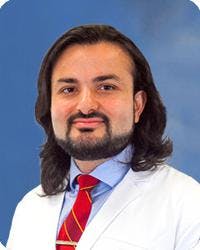
Humair Khan, MD
Dr. Humair Khan is a board-certified ophthalmologist specializing in cornea, external disease, and refractive surgery at CLS Health's Clear Lake campus. His expertise includes laser refractive surgery such as PRK, LASIK, and SMILE, as well as other advanced vision correction procedures. Dr. Khan combines specialized surgical expertise with a personalized approach to help patients determine the vision correction option best suited to their eye health and individual goals.
Relevant Clinical Interests:
- Laser Refractive Surgery (PRK, LASIK & SMILE)
- Cataract Surgery
- Refractive Lens Exchange (RLE)
- EVO ICL Surgery
- Myopia, Hyperopia & Astigmatism
FAQs
Yes, enhancement procedures may be possible years later if vision shifts or the initial correction is incomplete.
PRK removes the surface layer rather than creating a flap, eliminating flap-related risks. Both are safe and effective when performed by experienced surgeons.
Patients with severe dry eye, uncontrolled diabetes, corneal disease, or unstable prescriptions may not qualify. Your ophthalmologist will determine suitability after a full evaluation.
Numbing drops help prevent pain during PRK. Mild to moderate discomfort, light sensitivity, and irritation are common during the first few days of recovery.
PRK is typically considered elective vision correction and is not usually covered by insurance. HSA/FSA funds and financing options may be available.
You should not drive immediately after PRK. Your ophthalmologist will let you know when your vision has recovered enough to safely resume driving.
See If PRK Is Right for You
PRK can provide long-lasting vision correction without creating a corneal flap, but the right procedure depends on your prescription, corneal health, lifestyle, and vision goals. A CLS Health ophthalmologist can evaluate your eyes and help you compare PRK, LASIK, and other vision correction options.
Schedule a vision correction consultation in Webster, TX, to find the right approach for your vision.
Book with Dr. Khan

Cornea and External Diseases, Ophthalmology