Comprehensive eye exams help evaluate vision changes, screen for eye disease, update prescriptions, and assess overall eye health. We combine advanced diagnostic technology with personalized care to help protect long-term vision.
Quick Facts
Comprehensive eye exams evaluate vision, prescription changes, and overall eye health
Eye exams can help detect glaucoma, cataracts, retinal disease, and other conditions early
CLS Health Eye Care offers advanced diagnostics, prescription updates, and coordinated specialty care in one location
See the Full Picture of Your Eye Health
Routine vision care should do more than update your prescription. At CLS Health Eye Care, we combine advanced diagnostic tools with personalized care to help you stay ahead of changes, protect your eye health, and keep your vision clear and comfortable for the long term.
“Everyone was so nice. The selection of glasses was extensive. The building is new and comfortable. It was a very good experience!
”
- Eye Care Patient
What You’ll Get at Your Exam
Your visit includes more than a basic screening. We take time to evaluate your full visual function and eye health using modern diagnostic tools.
A comprehensive eye exam may involve:
- Vision testing (refraction) to determine your prescription or whether corrective lenses may be needed
- Eye pressure check to screen for glaucoma
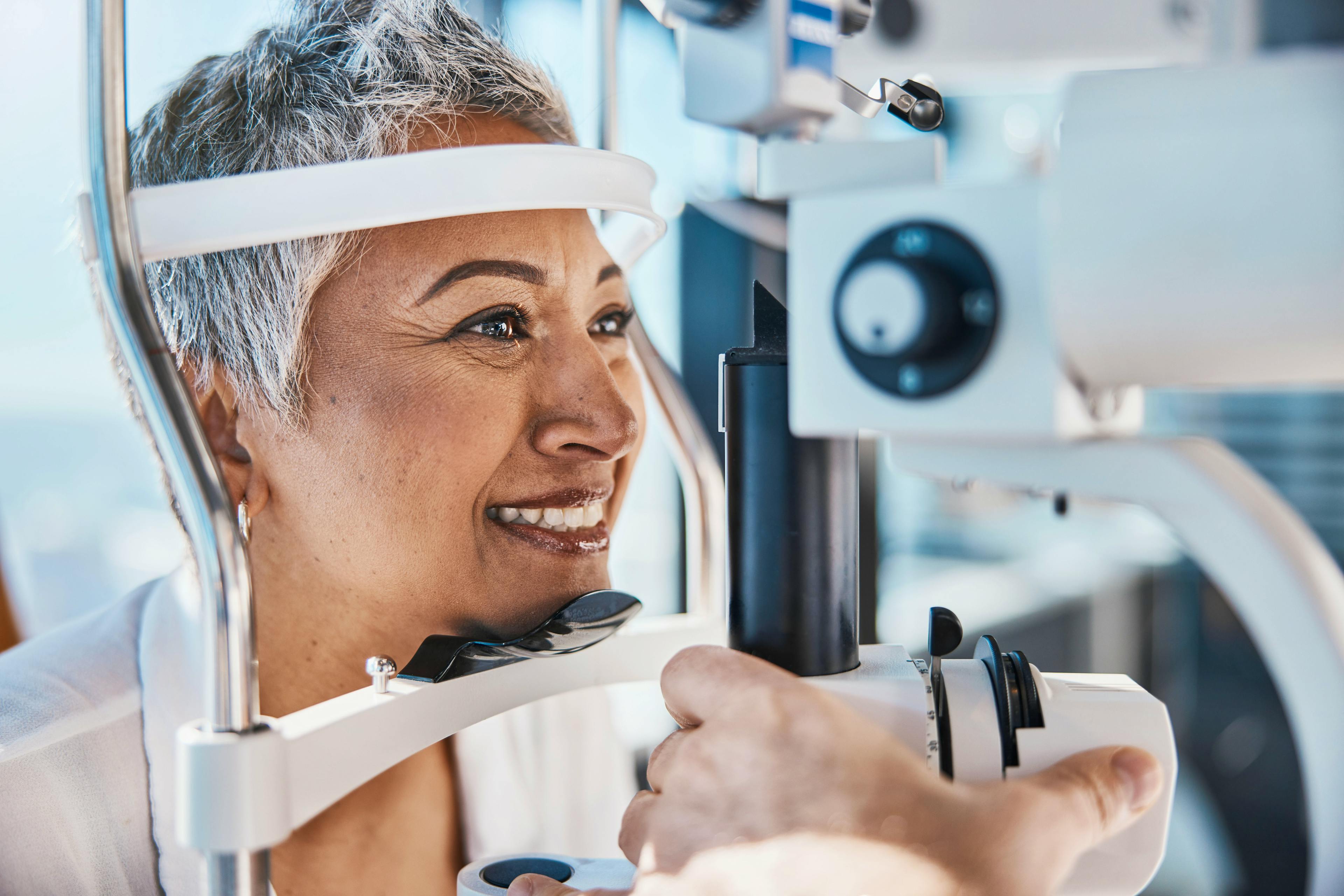
- Retinal and slit lamp evaluation
- Prescription updates, if needed
- Pupil dilation and fundus photography when appropriate
- Clear guidance on next steps, such as dry eye management or surgical referral
You’ll leave knowing exactly how your eyes are doing—and what comes next.
Is This Exam Right for You?
Getting an eye exam is a smart next step if you:
- Notice your vision has changed
- Experience eye strain or screen-related fatigue
- Wear glasses or contacts that no longer provide clear, comfortable vision
- Haven’t had an eye exam in over a year
- Want clarity around symptoms like dryness, blurriness, or discomfort
If you’re managing diabetes, high blood pressure, or another chronic condition, we’ll tailor the exam based on your risk profile.
Diabetic Eye Exams and Retinal Screening
Diabetes can affect the small blood vessels in the retina, sometimes before noticeable vision changes develop. Comprehensive diabetic eye exams help detect early signs of diabetic retinopathy and other diabetes-related eye conditions before they progress.
If you have diabetes, regular eye exams are an important part of protecting long-term vision and overall eye health. Your provider may recommend dilated retinal evaluation and imaging based on your medical history and risk factors.
Why Choose CLS Health?
We offer more than a quick appointment. With an optometrist and ophthalmologists on the same team, we provide a complete continuum of care, from vision checks and diagnostics to treatment and long-term monitoring—all in one place.
We’re here to help you:
- Catch potential issues early
- Keep your vision sharp
- Make informed decisions about your care
Convenient Eye Care in the Webster-Clear Lake Area
CLS Health Eye Care offers trusted, comprehensive vision care in the Webster–Clear Lake community, making it easier to access personalized eye care close to home. Our team provides flexible scheduling, advanced diagnostic technology, and a welcoming environment designed to keep your visit smooth, thorough, and patient-focused.
FAQs
Most adults should have a comprehensive eye exam every 1 to 2 years. If you wear glasses or contacts, or have conditions like diabetes, high blood pressure, or a family history of eye disease, annual exams are recommended. Children, seniors, and patients with existing vision concerns may need more frequent visits.
A vision screening is a quick check—often done at schools or general health visits—to see if you might need glasses. A comprehensive eye exam evaluates your entire visual system and eye health, using specialized tools to check for glaucoma, cataracts, macular degeneration, and more. It’s more in-depth and personalized.
Your exam may include:
- Refraction (to check your glasses/contact lens prescription)
- Eye pressure measurement (to screen for glaucoma)
- Slit lamp and retinal exam (to evaluate internal and external eye health)
- Pupil dilation (to get a better view of the retina, if needed)
We also screen for dry eye, astigmatism, and other visual concerns—and explain all findings clearly before you leave.
Not always. Pupil dilation helps us see the back of your eye more clearly and is especially important if you have diabetes, unexplained vision changes, or risk factors for retinal disease. Your provider will decide if dilation is appropriate based on your symptoms and medical history.
Yes. Comprehensive eye exams can reveal signs of systemic health issues like diabetes, high blood pressure, autoimmune disorders, and even neurological conditions. Your eyes offer a window into your overall health, which is why routine exams are so important.
If your prescription has changed, we’ll provide your updated prescription during the exam. Our on-site optical team can help you choose from a wide selection of frames and lenses. We also fit and evaluate contact lenses if you’re interested in switching or updating your contacts.
Children should have their first full eye exam around age 3, then again before starting school. After that, exams every 1–2 years are usually sufficient unless issues arise. Early exams can catch vision problems that may affect learning or development.
Schedule an exam if you notice:
- Blurry or fluctuating vision
- Eye strain or headaches
- Trouble reading up close or seeing far away
- Light sensitivity or eye discomfort
Even subtle symptoms can point to changes in your vision or overall eye health.
Yes. Many eye diseases—like glaucoma or early-stage macular degeneration—develop without symptoms at first. Regular exams help catch issues early, before they affect your sight. Preventive care is key to long-term vision preservation.
An optometrist (OD) provides routine eye exams, vision correction, and treatment for many common eye conditions. An ophthalmologist (MD or DO) is a medical doctor who can diagnose and treat more complex conditions and perform surgery. At CLS Health, both providers work together to support your complete eye care.