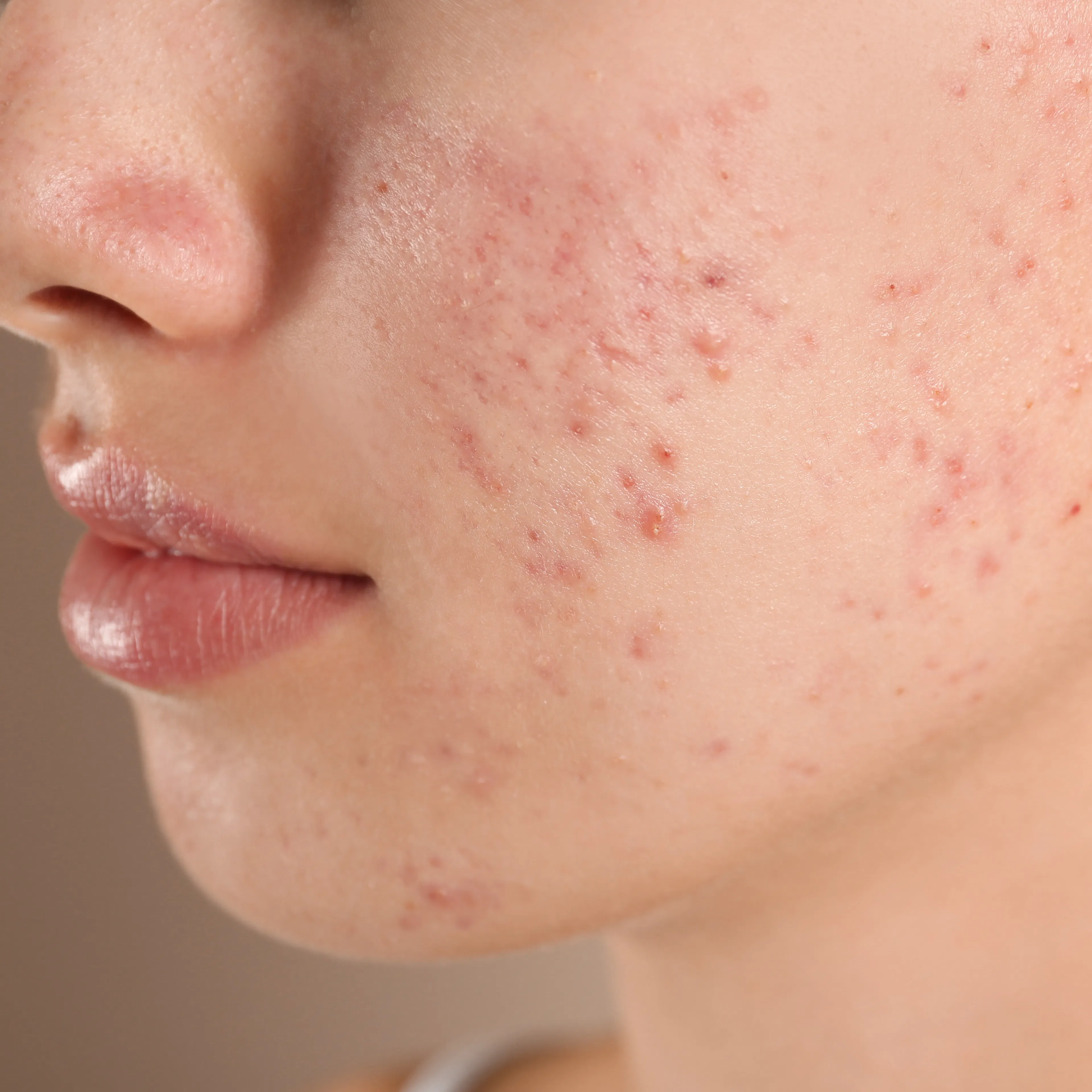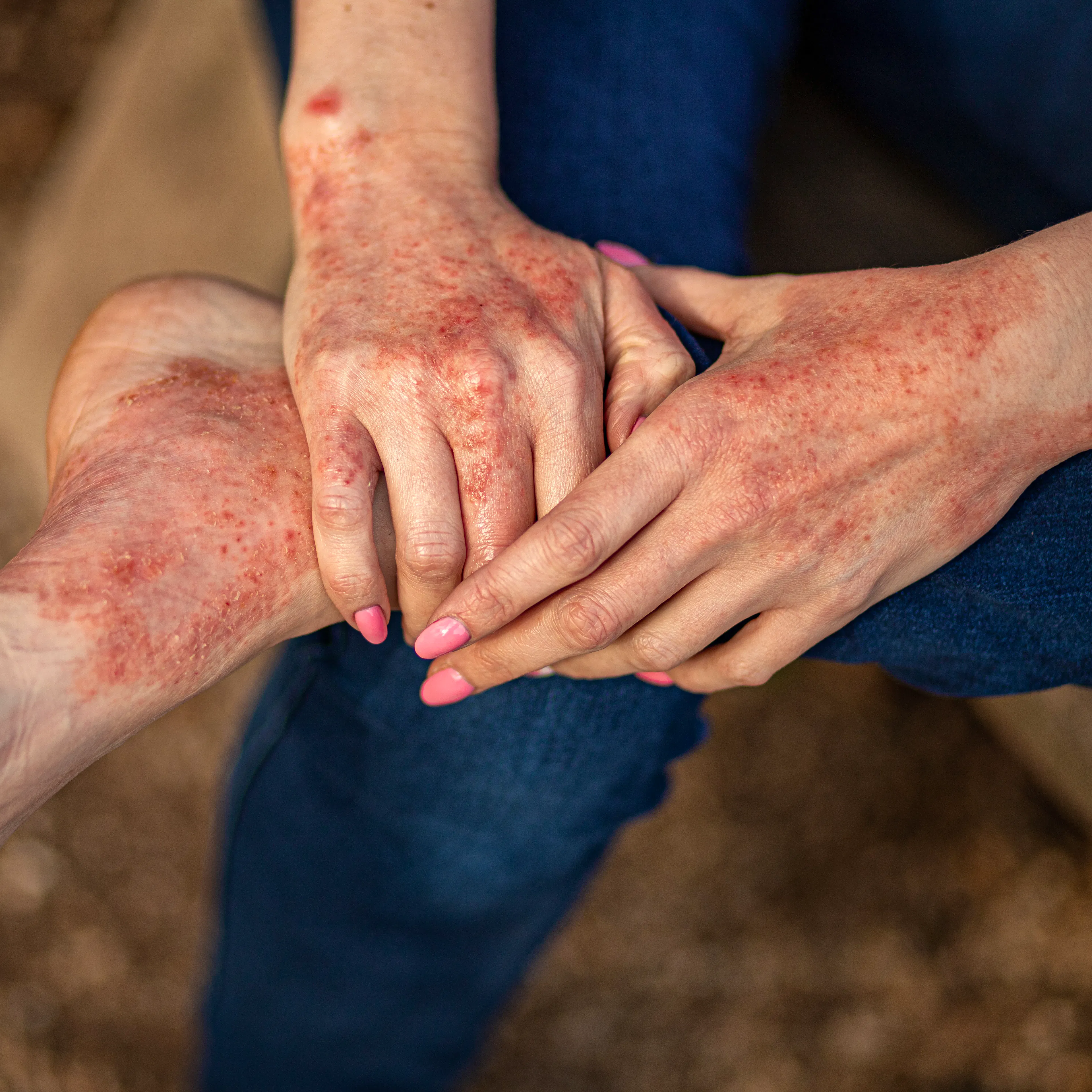

One of the most common chronic skin conditions, eczema affects millions of people worldwide. It causes irritation, dryness, and inflammation that can appear on many parts of the body. Eczema has no cure, but it is a chronic and manageable condition. With the right care, most people can control flare-ups and live comfortably.
What Is Eczema?
Eczema is a group of inflammatory skin conditions, with atopic dermatitis being the most common type. It develops when the skin barrier becomes weakened, making it more sensitive to irritants and allergens. This leads to inflammation, itching, and rashes. It often begins in childhood but can appear at any age. Because eczema is a chronic skin condition, symptoms may come and go over time, but treatment helps reduce flare-ups and improve quality of life.
Eczema Symptoms
Eczema presents differently in each person, but there are common symptoms that make it easier to recognize.
- Dry, flaky, or scaly skin
- Itching that can be intense, especially at night
- Red or inflamed patches of skin
- Cracked or oozing areas that may become infected
- Thickened or leathery skin from long-term irritation
Itching is often the most distressing symptom of eczema and can lead to a cycle of scratching and worsening inflammation. Scratching further damages the skin barrier, increasing irritation and triggering additional flare-ups—often referred to as the “itch-scratch cycle.” Breaking this cycle is a key goal of eczema treatment.
Flare-ups can last from several days to weeks and may be triggered by stress, sweat, weather changes, or exposure to irritants like soaps and fragrances.
Causes and Risk Factors of Eczema
Eczema develops from a mix of genetic factors, environmental triggers, and immune responses. Understanding these factors helps in managing flare-ups.
Common Causes
- Genetic predisposition that weakens the skin’s protective barrier
- Contact with irritants such as soaps, detergents, or fabrics
- Allergens like pollen, dust mites, or pet dander
Risk Factors
- Family history of eczema, asthma, or allergies
- Environmental exposures such as irritants, allergens, and climate factors
- Personal or family history of atopic conditions such as eczema, asthma, or allergic rhinitis
Types of Eczema
There are several forms of eczema, and knowing the type you have is key to finding the right treatment. Each form has unique triggers and patterns:
- Atopic dermatitis — The most common type, often beginning in childhood and linked to allergies, hay fever, or asthma. Symptoms include dry, itchy, inflamed patches that may flare up with environmental triggers.
- Contact dermatitis — Caused when the skin reacts to allergens or irritants such as soaps, detergents, fragrances, or metals like nickel. Rashes typically appear where the skin touches the substance.
- Nummular eczema — Appears as round, coin-shaped patches of irritated, itchy skin, often triggered by dry skin or injury.
- Dyshidrotic eczema — Produces small, itchy blisters on the hands, fingers, or feet, sometimes worsened by stress, moisture, or exposure to metal.
- Seborrheic dermatitis — Affects oily areas like the scalp, face, or chest, leading to scaly patches, redness, and dandruff.
Because symptoms can overlap and look similar, a professional skin exam is important for accurate diagnosis and to develop a treatment plan tailored to your type of eczema.
Eczema Severity Levels
Eczema can vary in severity, which helps guide treatment decisions and expectations for symptom control.
Mild
- Dry skin and occasional itching
- Small areas of irritation
Moderate
- More frequent flare-ups
- Red, inflamed patches with noticeable itching
Severe
- Widespread rash
- Thickened or leathery skin
- Significant itching that may disrupt sleep
Diagnosis of Eczema
Dermatologists usually diagnose eczema through a clinical exam and review of your medical history. In some cases, patch testing may be recommended to identify specific triggers such as allergies or chemical irritants.
- Patch testing: Identifies allergic reactions to chemicals or other substances
- Blood tests are not typically required, but may be used in select cases to evaluate allergies or rule out other conditions
Eczema Treatment Options
Although eczema has no cure, many treatment options help provide relief and reduce flare-ups, including:
- Moisturizers and barrier creams to restore hydration
- Topical steroids to reduce itching and inflammation
- Calcineurin inhibitors for sensitive areas like the face
- Antibiotics may be prescribed if there are signs of a secondary skin infection.
- Phototherapy (controlled ultraviolet light therapy)
- Biologic therapies (such as dupilumab) for moderate to severe eczema that does not respond to topical treatments
- JAK inhibitors (topical or oral) in select cases
Living with Eczema: Daily Management and Prevention
Managing eczema is not only about treating flare-ups but also about protecting your skin every day. Small changes to your routine can make a big difference in reducing irritation and keeping your skin comfortable.
Daily Habits:
- Moisturize at least twice a day, especially after bathing.
- Take short, lukewarm showers instead of long, hot baths.
- Use fragrance-free cleansers and gentle moisturizers.
- Wear loose, cotton clothing instead of rough or wool fabrics.
Environmental Care:
- Use a humidifier in dry climates or during winter.
- Keep indoor temperatures moderate to avoid skin dryness.
- Reduce dust, pet dander, and other allergens in the home.
Lifestyle and Stress Management:
- Practice relaxation techniques such as yoga, meditation, or deep breathing.
- Engage in light physical activity, which may lower stress levels.
- Keep a journal to track triggers like foods, stress, or weather changes.
When to See a Dermatologist for Eczema
If your skin does not improve with over-the-counter creams, visiting a dermatology clinic for professional care is the next step. You should consider making an appointment if you experience:
- Persistent itching or redness that does not go away
- Painful cracks, bleeding, or oozing skin
- Sleep disruption caused by itching
- Frequent flare-ups despite home care
- Skin infections or worsening rashes
A dermatologist will not only prescribe stronger treatments, such as medicated creams or light therapy, but also help you identify your specific triggers. They may recommend allergy testing, patch testing, or blood work if your eczema seems resistant to standard care.
Book an Appointment with an Eczema Specialist in Houston
Eczema may be a chronic condition, but that doesn’t mean it has to lower your quality of life. With the right treatment, your symptoms can be controlled, and your skin comfort improved. If you have persistent itching, rashes, or patches of dry, irritated skin, our dermatologist in Houston is here to help. Specialists provide accurate diagnosis, prescribe effective treatments, and guide you in preventing flare-ups.
Don’t wait to get relief — schedule a consultation with a dermatologist to create a personalized eczema treatment plan that works for you.