
Quick Facts: Acne
Acne develops when pores become clogged with oil, dead skin cells, and bacteria, leading to inflammation and breakouts.
Symptoms range from blackheads and pimples to deeper, painful cysts, and may lead to dark marks or scarring if untreated.
Effective treatment often requires a combination approach, and consistent care can significantly reduce breakouts and prevent long-term skin damage.
Acne is a very common skin condition that affects teens and adults. Breakouts can be frustrating and sometimes painful, and they often affect confidence at school, work, and social events. The encouraging news is that dermatology care offers many options that calm inflammation, clear pores, and lower the risk of future flare-ups. With the right treatment plan, clearer skin is achievable for most patients.
What Is Acne?
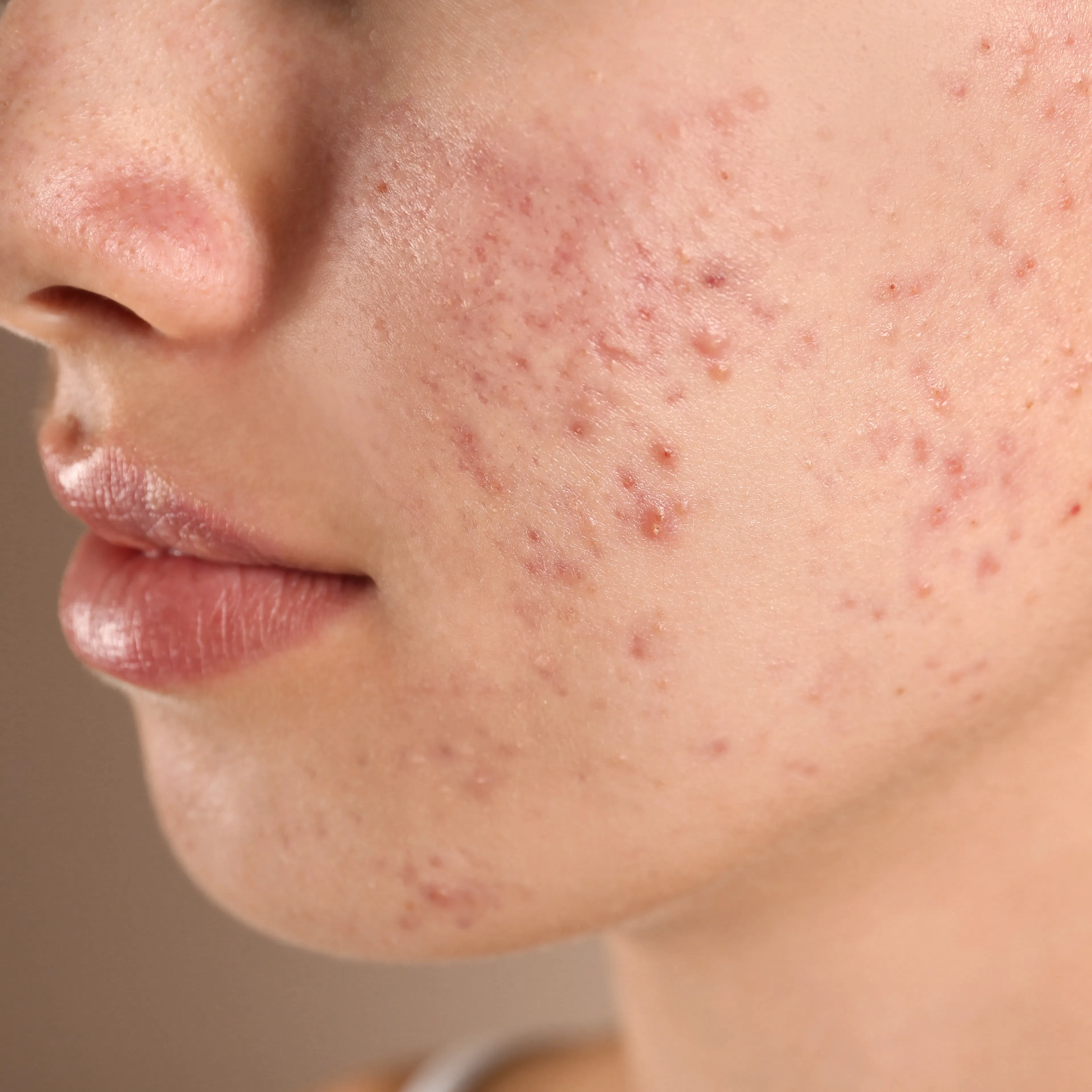
Acne develops when pores become clogged with oil and dead skin cells. When pores become clogged, C. acnes can contribute to inflammation within the follicle, leading to redness, swelling, and the formation of pimples or deeper lesions. Acne appears most often on the face, chest, back, and shoulders.
Severity varies widely. Some people see occasional small blemishes, while others develop deeper nodules and cysts that need prescription care to prevent permanent acne scars.
Symptoms of Acne
The type of blemishes you see helps guide treatment choices.
Common symptoms include:
- Whiteheads and blackheads
- Red papules and pus-filled pimples
- Deep, tender cystic lesions beneath the skin
- Dark marks or scars that linger after a flare
Acne can last months or years, but a customized plan reduces the frequency and intensity of breakouts and protects skin over time.
Causes of Acne
Understanding what causes acne is an important step in learning how to treat acne effectively. Acne is influenced by multiple factors, including:
- Hormonal shifts: Puberty, menstrual cycles, pregnancy, and some medical conditions can increase oil production.
- Excess sebum: Overactive oil glands contribute to clogged pores.
- Cutibacterium acnes (C. acnes) is a bacterium naturally found on the skin. These bacteria can trigger inflammation inside blocked follicles.
- Sticky dead skin cells: When cells do not shed normally, they collect and block pores.
Genetics and stress also play a role by influencing how the skin responds to oil and inflammation.
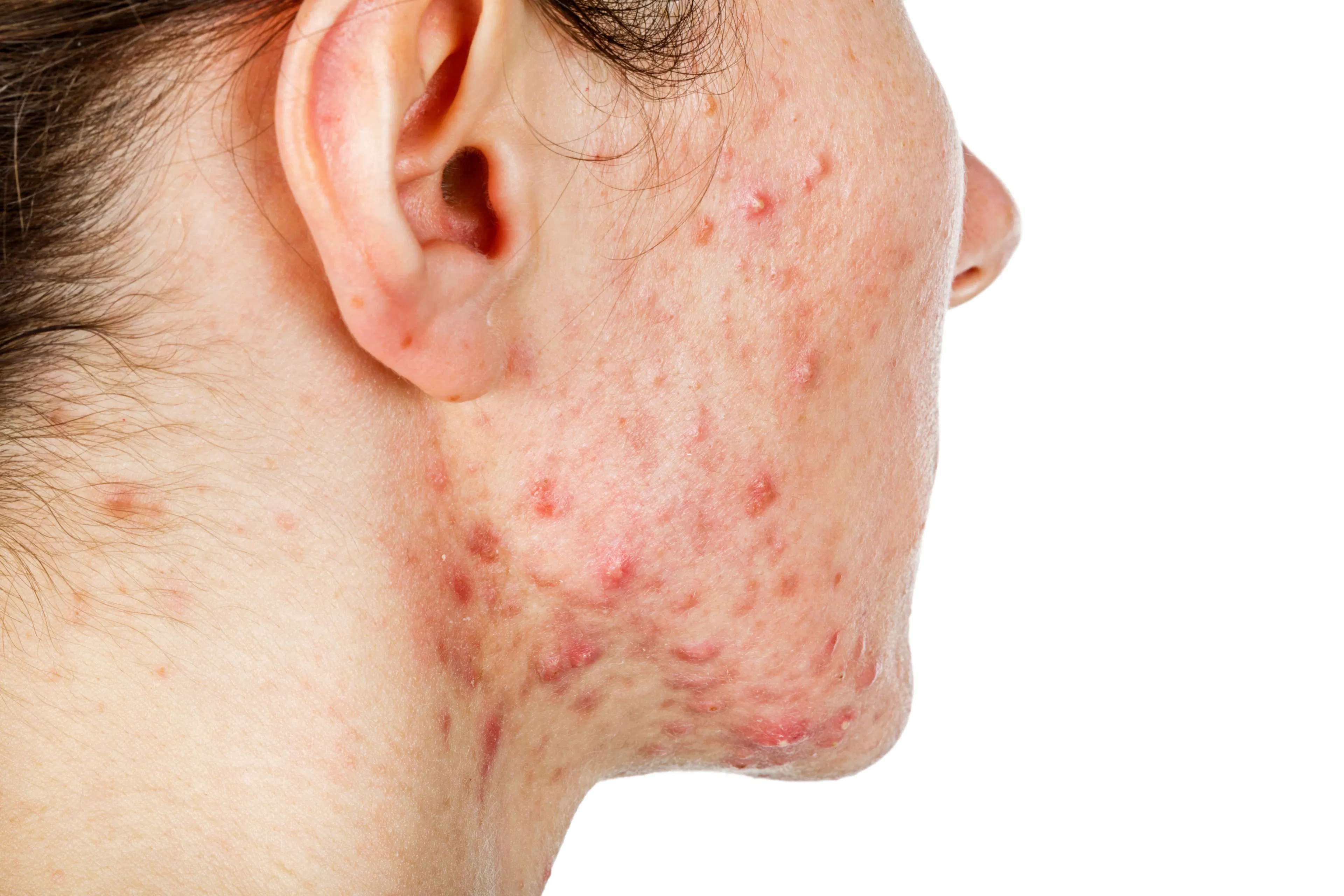
Hormonal acne often appears along the jawline, chin, or lower face and may flare around menstrual cycles.
Risk Factors
You may be more likely to develop acne if you:
- Are a teenager or young adult
- Have a family history of acne
- Experience hormonal imbalances such as PCOS
- Use certain medications or heavy cosmetic products
- Have high stress levels or friction from sports gear and masks
Types of Acne
Comedonal Acne
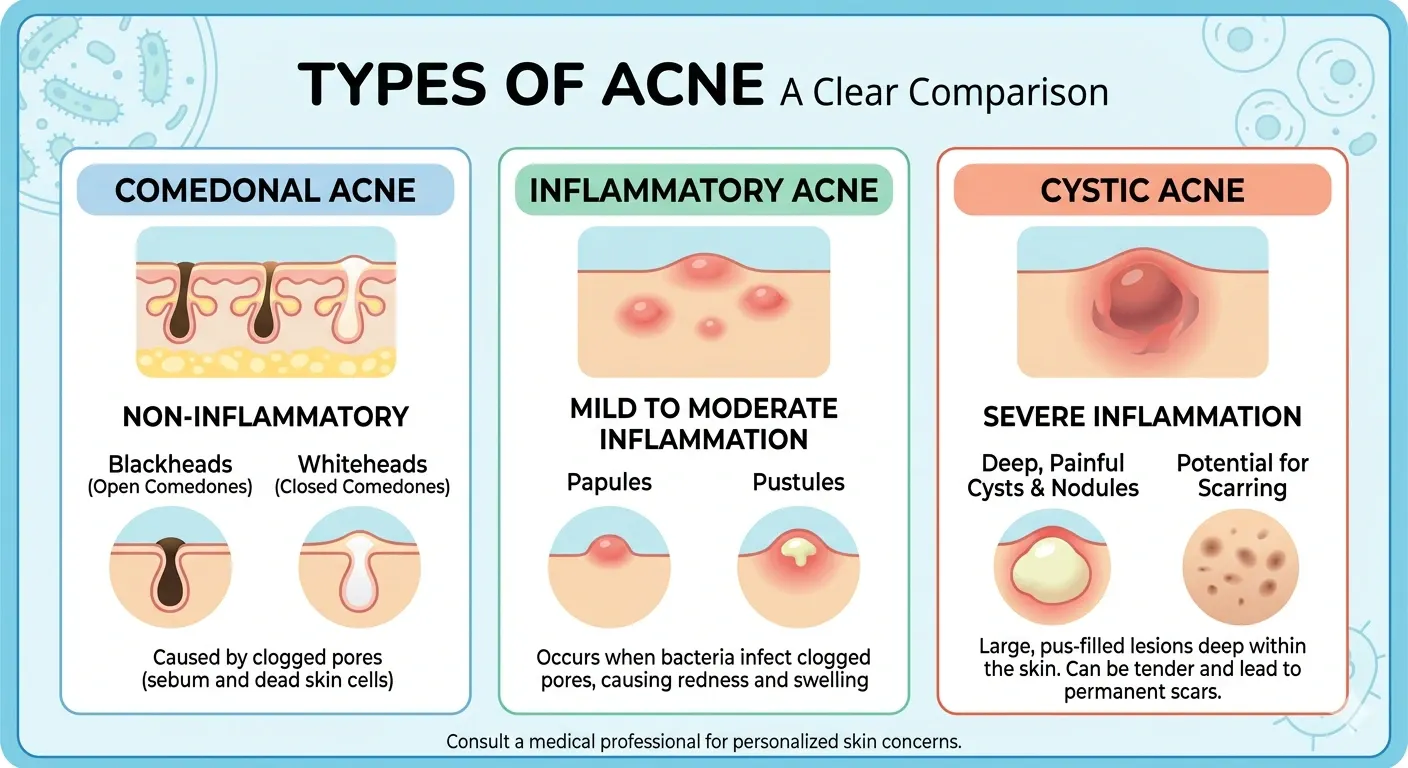
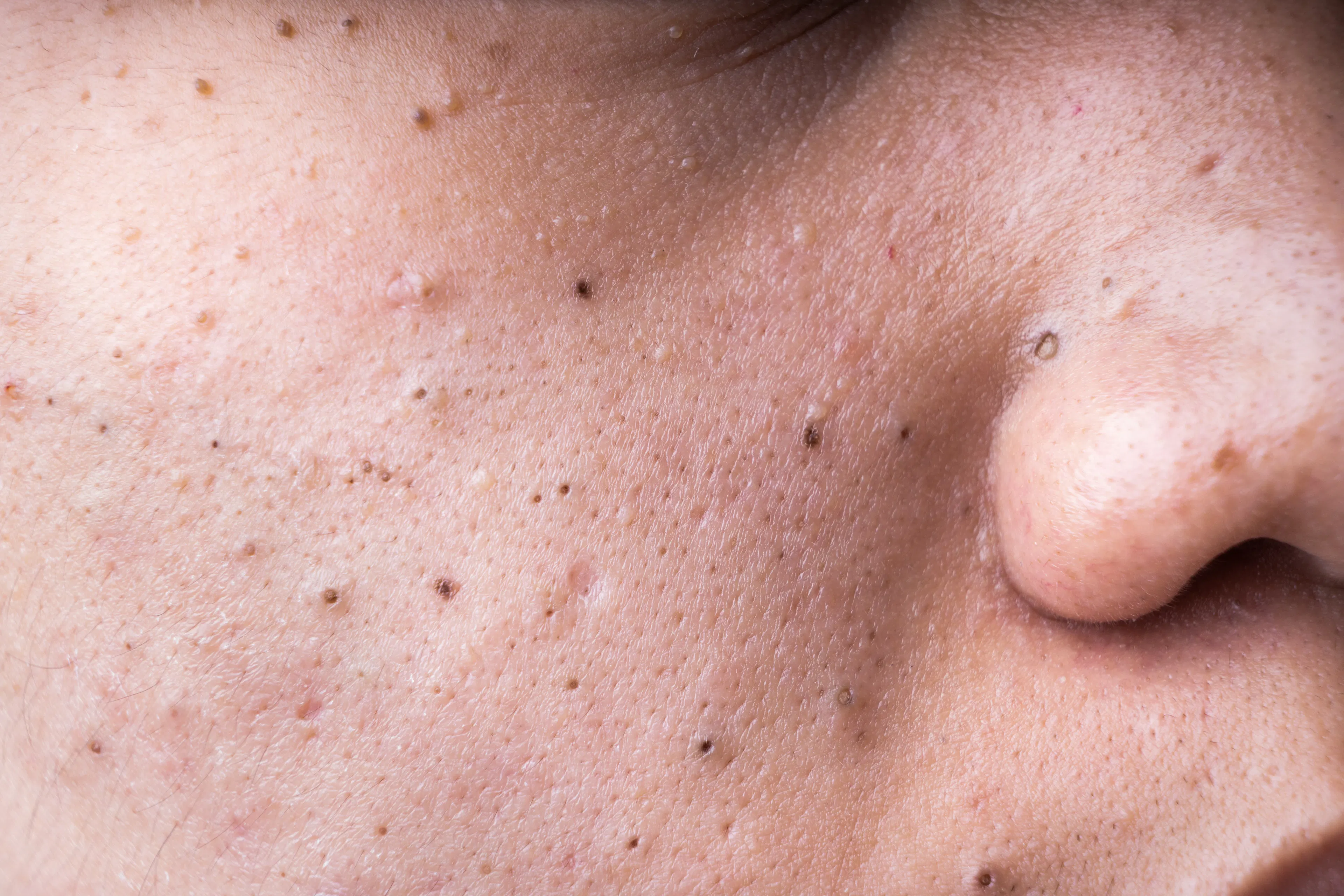
Comedonal acne is the mildest form and occurs when pores become clogged with oil and dead skin cells. It typically shows up as blackheads (open comedones) or whiteheads (closed comedones), often on the forehead, nose, or chin. While not always inflamed, this type of acne can be stubborn and may require consistent use of topical retinoids or exfoliating agents to prevent new breakouts.
Inflammatory Acne
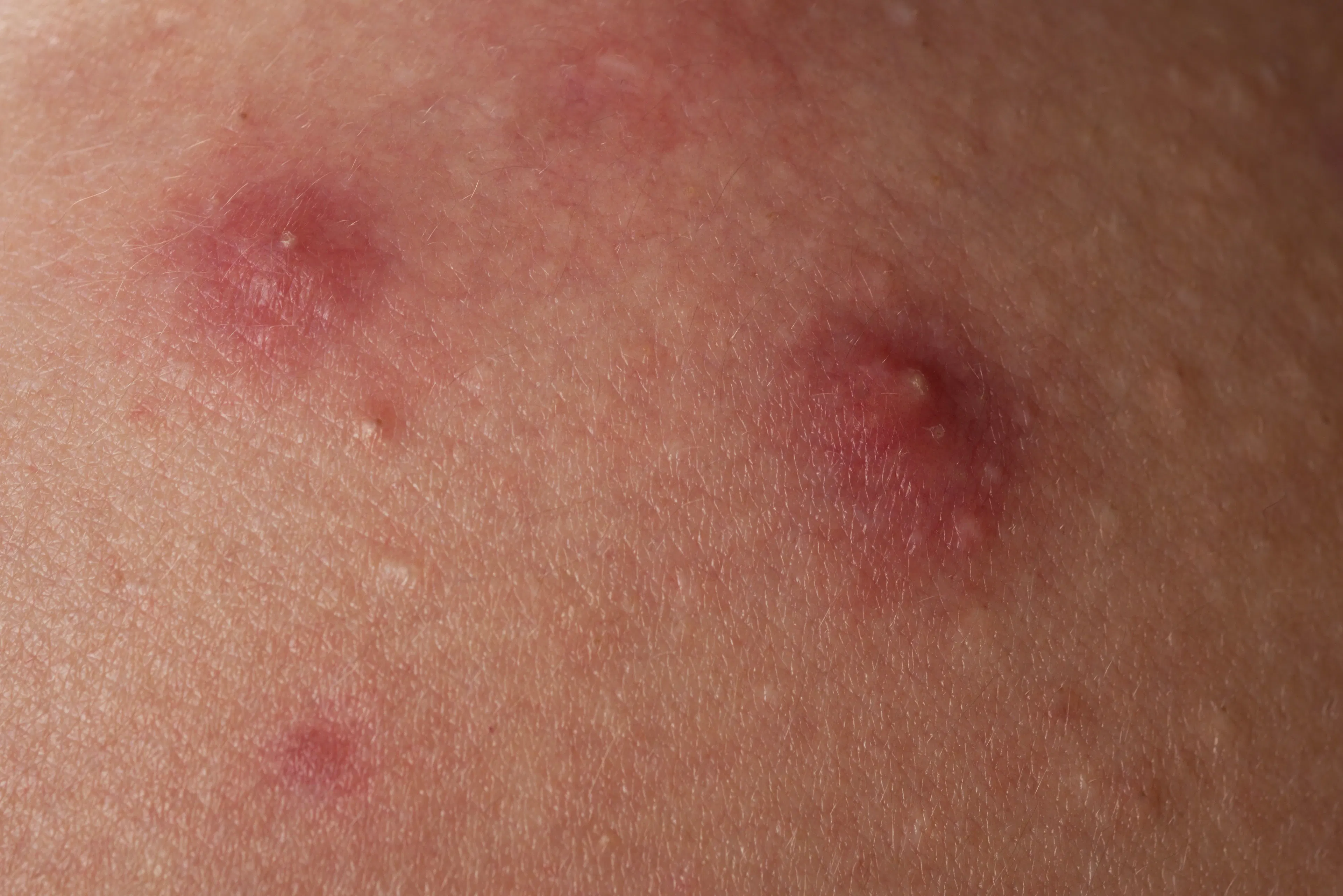
Inflammatory acne develops when clogged pores become irritated and bacteria trigger the body’s immune response. This leads to red, swollen bumps (papules) and pus-filled lesions (pustules) that may be tender to the touch. Because inflammation is a key factor, treatments usually involve topical or oral antibiotics, benzoyl peroxide, and other medications that target bacteria and calm irritation.
Cystic Acne
Cystic acne is the most severe form, causing deep, painful nodules beneath the skin’s surface. These lesions can last for weeks, are more likely to leave scars, and often require prescription treatments such as isotretinoin or hormonal therapy. Close monitoring by a dermatologist is important to reduce long-term skin damage and create a treatment plan that prevents future flare-ups.
Acne Severity Levels
Acne is often classified by severity, which helps guide treatment:
- Mild: Mostly blackheads and whiteheads
- Moderate: Inflammatory papules and pustules
- Severe: Nodules, cysts, or risk of scarring
Acne is often classified by severity, which helps guide treatment:
How Is Acne Diagnosed?
A dermatologist diagnoses acne by examining the skin and assessing severity. Your provider will ask about skincare products, medications, menstrual history, and lifestyle factors. In some cases, they may screen for hormonal conditions that influence breakouts. This information guides a plan that fits your skin and schedule.
Acne Treatment Options
Most patients benefit from a combination approach. Your dermatologist will outline a step-by-step treatment plan and explain how long each option takes to show results.
- Topical retinoids: Help pores shed normally and prevent new clogs.
- Benzoyl peroxide: Reduces bacteria and supports other therapies.
- Topical antibiotics or anti-inflammatories: Calm active lesions.
- Oral antibiotics: Short-term use for moderate to severe inflammatory acne, typically combined with topical treatments to reduce resistance.
- Hormonal therapy: Options such as certain birth control pills or spironolactone may help women with hormonally driven acne.
- Isotretinoin: For severe, scarring, or treatment-resistant acne, with close monitoring due to potential side effects and strict safety requirements.
- In-office procedures: Chemical peels, light or laser treatments, and professional extractions can complement home care.
- Scar care: After control of active acne, options like microneedling, peels, and lasers can soften scars and smooth texture.
Many topical treatments take six to eight weeks to show clear improvement. It is also common for acne to look slightly worse before it improves, especially when starting retinoids. Consistency is key.
Daily Skincare and Lifestyle Tips
Support treatment with a few simple habits:
- Wash the affected area twice daily with a gentle, non-comedogenic cleanser
- Use oil-free moisturizer and sunscreen every day
- Avoid picking or squeezing blemishes to reduce scarring
- Keep hair products off the face and cleanse after workouts
- Review makeup and skincare labels for non-comedogenic claims
These steps lower the chance of new clogs and protect the skin barrier while medical treatments do their work.
When to See a Dermatologist for Acne
Make an appointment if breakouts are frequent, painful, or leave marks. Professional care helps you avoid scarring and speeds control of flares. Our dermatologists in Houston can also help create a plan that matches sensitive skin, pregnancy plans, or other medical needs. Book a consultation for personalized acne treatment.
FAQs About Acne
Acne develops when pores become clogged with oil, dead skin cells, and bacteria, leading to inflammation and breakouts.
Acne can last for months or years, depending on severity, hormones, and treatment. With consistent care, most people see improvement within several weeks.
You should seek care if acne is painful, persistent, causing scarring, or not improving with over-the-counter treatments.
The best treatment depends on severity and skin type. Options may include topical medications, oral therapies, hormonal treatment, or procedures recommended by a dermatologist.
While not always preventable, consistent skincare, avoiding pore-clogging products, and early treatment can reduce breakouts.
Take Control of Breakouts with Personalized Acne Treatment in Houston
Acne is manageable at every age. With a thoughtful plan, steady skincare, and guidance from a dermatologist, most people see clearer skin and renewed confidence. If acne is getting in the way of your day, schedule a visit and start a plan that fits your life. Book an appointment with an acne specialist in Houston today.