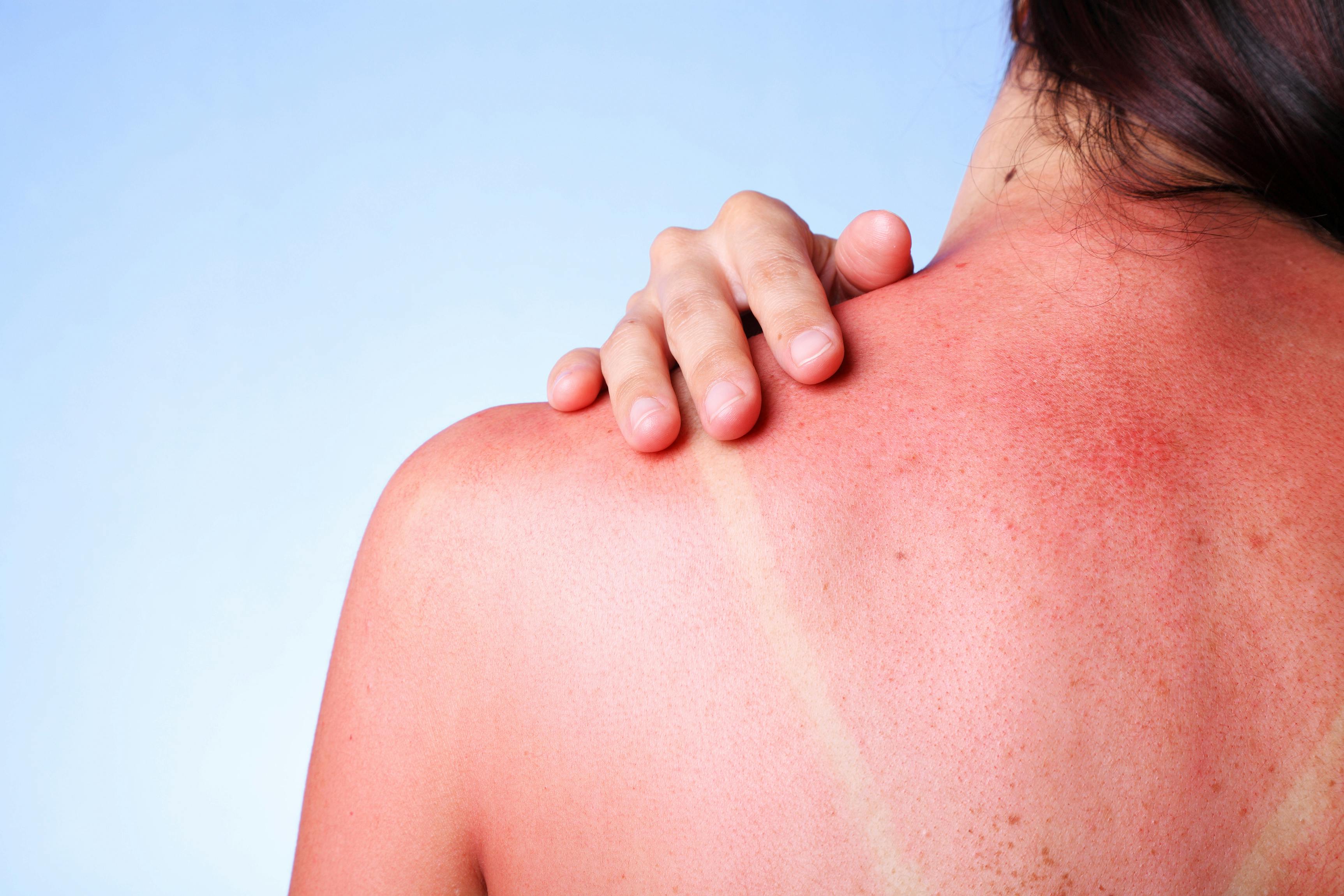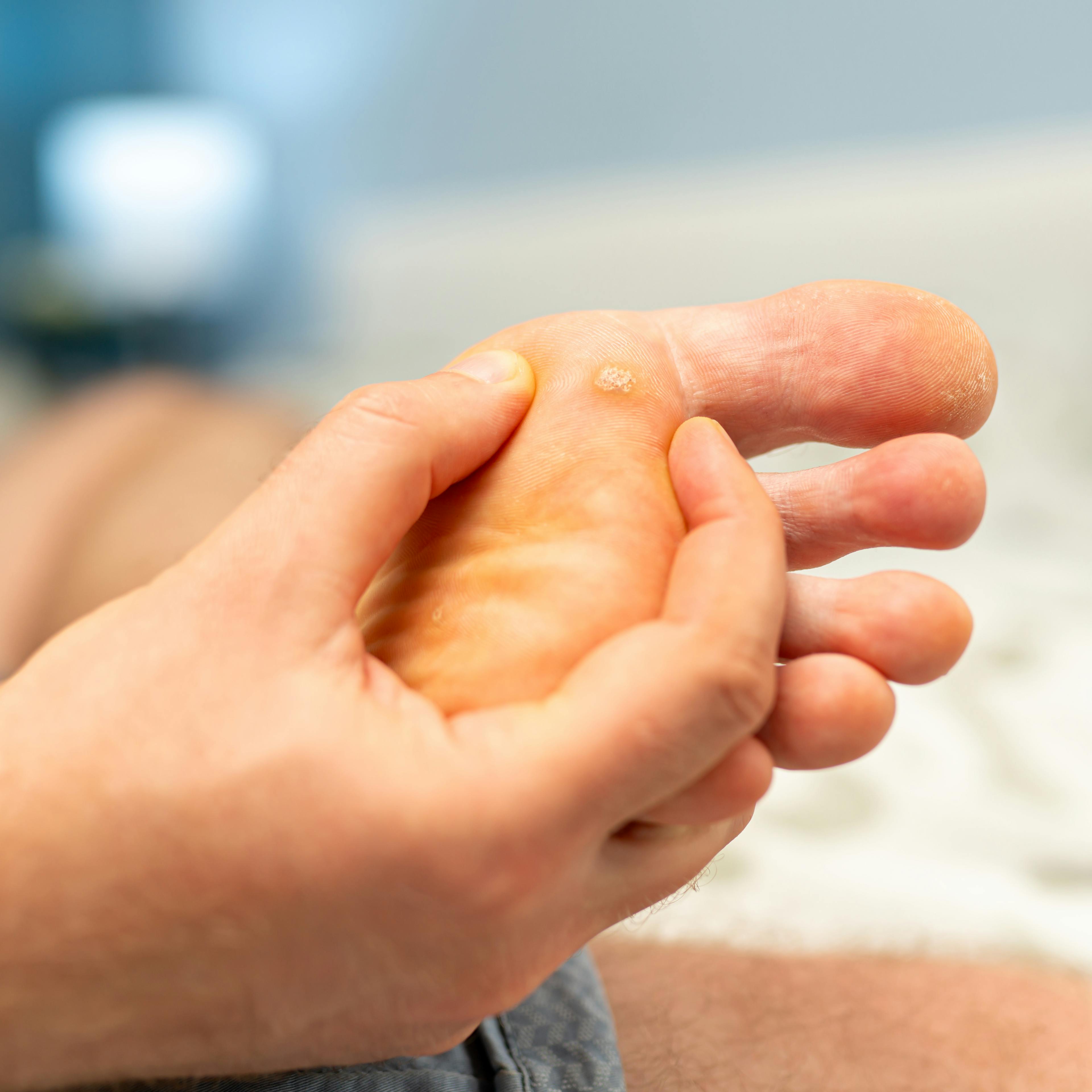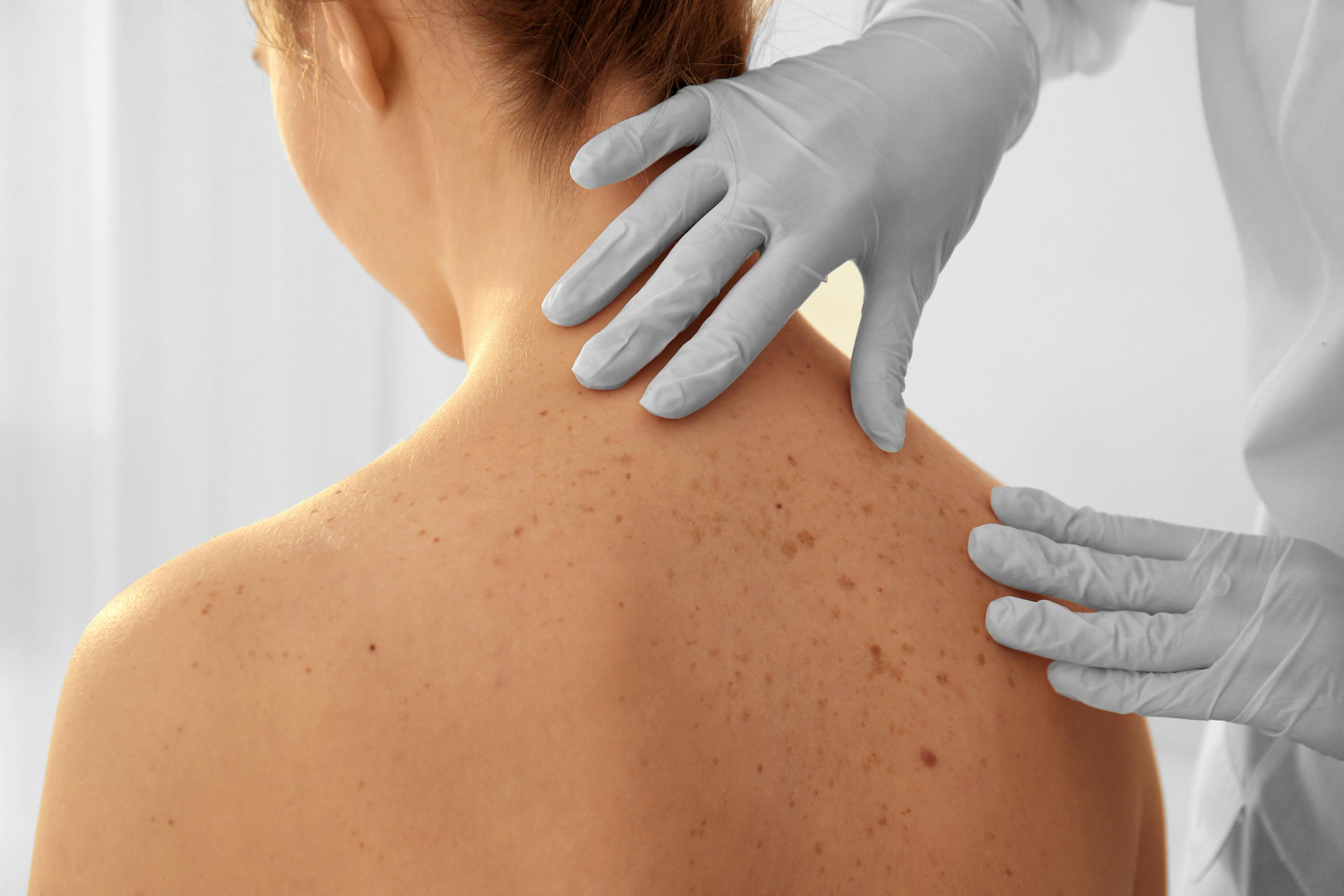

Skin changes known as precancerous lesions often signal early damage from ultraviolet (UV) radiation, usually after years of sun exposure. These rough, scaly spots are not cancer, but have the potential to progress into skin cancer if ignored. Because of this risk, dermatologists consider them an early warning sign. When you recognize and treat precancerous lesions sooner rather than later, this not only protects your skin but also helps prevent the development of more serious conditions in the future.
What Are Precancerous Lesions?
Precancerous lesions are abnormal patches of skin that develop after years of sun exposure. The most common example is actinic keratosis (AK) — a rough, scaly area that feels like sandpaper. These spots are not cancer, but without treatment, they can progress into squamous cell carcinoma or other forms of skin cancer.
Because of this risk, dermatologists view precancerous lesions as an early warning sign. Detecting and treating them as soon as possible is the best way to prevent skin cancer and protect skin health in the long run.
Symptoms of Precancerous Lesions
Precancerous lesions do not always look the same from person to person, but they share several common features:
- Feels like sandpaper before you can see it
- Scaly or crusty patches that may feel rough to the touch
- Dry or thickened skin that does not improve with moisturizers
- Red, pink, or brown discoloration in sun-exposed areas
- Tenderness, itching, or burning sensations
- Lesions that don’t heal or that return after peeling away
These spots usually appear on areas of the body most exposed to the sun, such as the face, ears, scalp, forearms, and hands. Because they can resemble rashes or age spots, a professional evaluation is essential.
How Long Do Precancerous Lesions Last?
Precancerous lesions typically do not go away on their own. While some may temporarily fade, most persist or return because the underlying sun damage remains. Without treatment, they can last indefinitely and carry a risk of progressing into squamous cell carcinoma.
Causes and Risk Factors
Causes
The main cause of precancerous lesions is ultraviolet (UV) radiation, which damages skin cells over time. This exposure comes primarily from sunlight but can also occur from tanning beds.
Risk Factors
Certain factors increase the likelihood of developing precancerous lesions:
- Fair skin that burns easily
- Age over 50, due to cumulative sun damage
- Outdoor occupations (such as construction, farming, landscaping)
- Recreational sun exposure without adequate protection
- History of sunburns or tanning bed use
Even people with darker skin tones are at risk if they spend significant time outdoors without proper protection.
Types of Precancerous Lesions
The two most common types include:
- Actinic keratosis (AK): The most widespread type, appearing as scaly, sun-damaged patches that may be red, pink, or brown. They often feel rough, like sandpaper.
- Bowen’s disease: Also called squamous cell carcinoma in situ, this is an early form of skin cancer confined to the outermost layer of skin. It is not a precancerous lesion, but it is often discussed alongside them because it requires prompt evaluation.
Both require medical evaluation and treatment to prevent progression.
Diagnosis of Precancerous Lesions
Dermatologists can often identify precancerous lesions during a visual skin exam. In some cases, a biopsy may be performed to rule out invasive skin cancer. This involves removing a small sample of tissue to examine under a microscope.
Regular skin checks are important, especially if you have multiple lesions, a history of sun damage, or other risk factors.
Treatment Options for Precancerous Lesions
Fortunately, there are several effective treatments available:
- Cryotherapy: Freezing the lesion with liquid nitrogen to destroy abnormal cells.
- Topical chemotherapy creams (5-fluorouracil): Applied directly to the skin to eliminate precancerous cells.
- Photodynamic therapy: Uses a special light-activated solution to target damaged cells.
- Laser resurfacing or chemical peels: Remove outer layers of skin and encourage healthy regrowth.
- Surgical removal: Occasionally used for larger or suspicious lesions.
Treatment choice depends on the size, number, and location of your lesions, as well as your skin type and medical history. Our dermatologists will recommend the most appropriate approach based on your individual needs. Most precancerous lesions are highly treatable when caught early.
Prevention and Long-Term Care
Because UV exposure is the primary cause, prevention is an important part of care:
- Use broad-spectrum sunscreen (SPF 30 or higher) daily.
- Reapply sunscreen every 2 hours
- Wear protective clothing, hats, and sunglasses outdoors.
- Avoid peak UV hours (10 am–4 pm)
- Avoid tanning beds entirely.
- Perform regular self-checks for new or changing spots.
Schedule routine skin exams with a dermatologist, especially if you have a history of precancerous lesions.
Protect Your Skin with Expert Dermatology Care in Houston
Precancerous lesions are an early warning sign — and the best time to act is now. With timely treatment, you can prevent these rough, scaly patches from becoming skin cancer. If you notice scaly, rough patches on your skin that don’t go away, it’s time to see a dermatologist in Houston.
Dermatologists offer a full range of therapies, from cryotherapy to topical treatments, and provide ongoing care to keep your skin healthy. Don’t forget that protecting your skin now is one of the best ways to safeguard your health for years to come.
If you notice suspicious patches on your skin, schedule a consultation with a dermatologist today.