
Key Takeaways
Itchy eyes may be caused by allergies, dry eye, eyelid inflammation, or irritants like contact lenses and cosmetics.
Home remedies such as cold compresses, artificial tears, and gentle eyelid cleansing can help relieve mild symptoms and reduce inflammation.
If symptoms persist, worsen, or affect your vision, an eye care specialist can help identify the cause and recommend prescription treatments or allergy management.
Whether it feels like there’s something stuck in your eye or your lids won’t stop itching, irritated eyes are hard to ignore. Itchy eyes are a common symptom of allergies, but dryness, infections, or environmental triggers may also cause them.
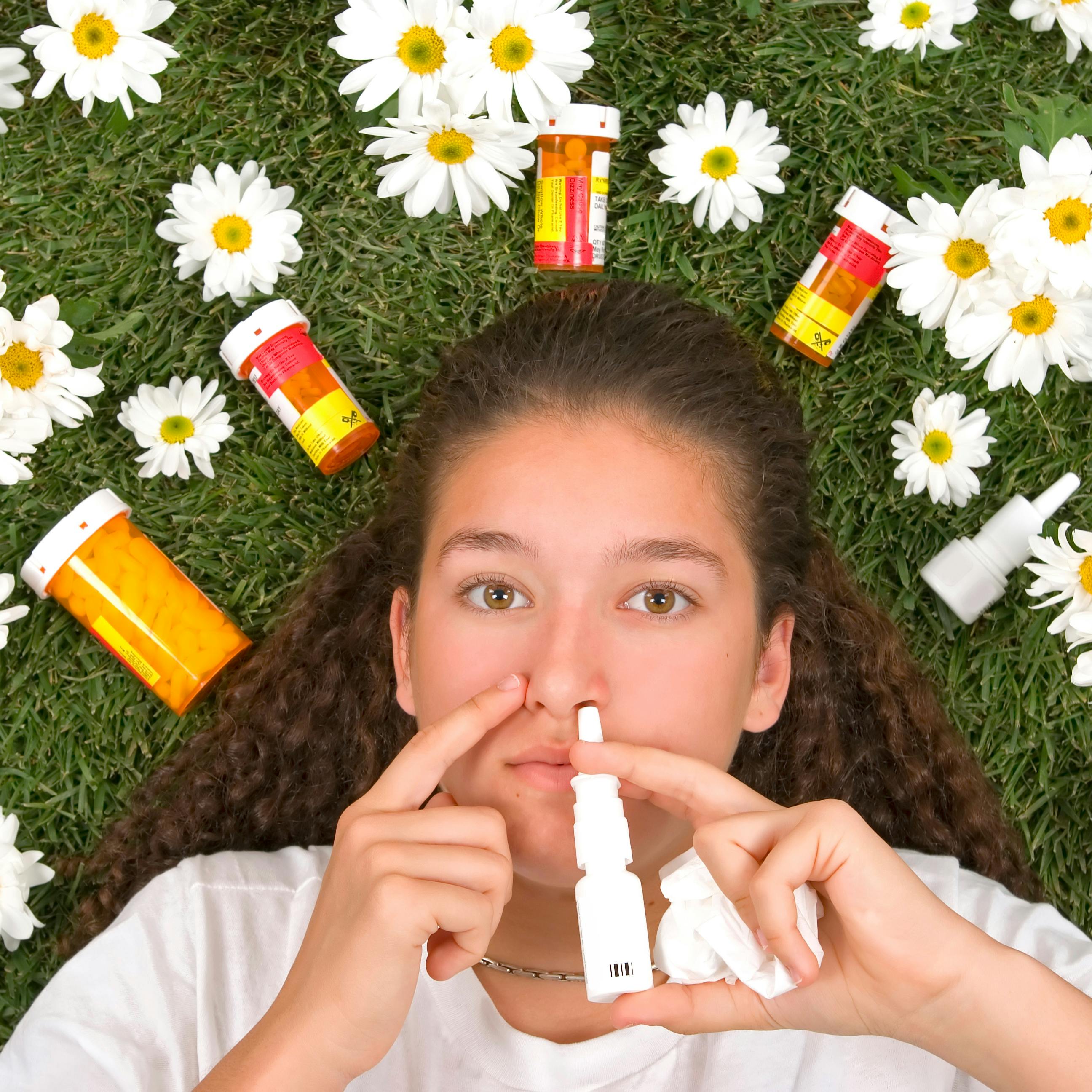
If your symptoms flare during pollen season or around pets, dust, or mold, eye allergies may be the cause.
That gritty or irritated feeling, as if something is stuck in your eye, may be related to dry eye, eyelid inflammation, or conjunctival irritation, even when nothing is actually in the eye.
Common Reasons Why Your Eyes Are So Itchy
Notice where the itching is most intense. Whether it is along the lash line, on the eyelid skin, or underneath the lid, the location can help point to the underlying cause.
Itchy, red, or watery eyes are often caused by one of the following:
- Seasonal allergies (pollen, dust, mold, pet dander)
- Allergic conjunctivitis
- Dry eyes or eye strain
- Blepharitis (inflammation of the eyelid)
- Contact lens irritation
- Sensitivity to eye makeup, creams, or skincare products
If your symptoms flare during pollen season or around pets, dust, or mold, eye allergies may be the cause.
That gritty or irritated feeling, as if something is stuck in your eye, is often caused by inflammation around the eyelids or the conjunctiva, even when nothing is there.
Home Remedies for Itchy Eyes
Here are a few practical ways to soothe dry, itchy, and irritated eyes.
1. Use a Cold Compress
Cold compresses are an effective way to reduce swelling and alleviate inflammation. Simply soak a clean washcloth in cold water, wring it out, and gently lay it over your closed eyes for 5–10 minutes for the best results.
2. Try Artificial Tears or Allergy Eye Drops
The best eye drops for itchy eyes depend on the underlying cause. If dryness, burning, tearing, or a gritty sensation keeps coming back, learn more about dry eye syndrome and when to see an eye specialist. However, not all redness-relief drops are recommended for long-term use.
Eye Drops to Avoid for Dry, Itchy Eyes
In a recent video, Dr. Mary Morales explains why redness-relief eye drops like Visine, Rohto, and Clear Eyes may temporarily reduce redness but do not treat the underlying cause of dry or irritated eyes. She also discusses the benefits of preservative-free artificial tears and common symptoms associated with dry eye syndrome, including burning, tearing, redness, itching, and foreign body sensation.
Watch Dr. Morales explain which eye drops she recommends and when dry eye symptoms should be evaluated by an eye care specialist.
3. Avoid Known Irritants
If you wear contact lenses, switch to glasses temporarily while symptoms persist, and pause the use of eye makeup until your eyes are fully healed. Common irritants such as pollen, smoke, or scented products can make symptoms worse. Once your symptoms have cleared, consider replacing any old eye makeup and choosing products labeled for sensitive eyes to help prevent future flare-ups.
If contact lenses frequently cause redness, dryness, or irritation, an eye exam can help determine whether your lenses, fit, or wearing schedule need to be adjusted.
4. Clean Your Eyelids Gently
You may be dealing with eyelid inflammation if you notice crusting, flakes around the lashes, or swollen lids. Clean your eyelids with a dedicated eyelid wipe or gentle hypochlorous acid lid spray recommended by your provider. These products can help remove buildup, support healthy oil glands, and reduce itching around the eyes.
If eyelid irritation keeps coming back, learn more about blepharitis treatment and when to see an eye specialist.
5. Moisturize the Skin Around Your Eyes
If your eyelids are dry and itchy, avoid harsh products. Instead, use a gentle, fragrance-free moisturizer or eye ointment to prevent flaking and irritation. Look for products that contain ingredients like ceramides or petrolatum.
Still Dealing with Dry, Itchy Eyes?
If artificial tears, allergy drops, or at-home care are not helping, an eye care specialist can help determine whether your symptoms are caused by dry eye, allergies, blepharitis, or another condition.
Schedule an eye exam to get personalized treatment for lasting relief.
Tips to Prevent Itchy Eyes in the Future
Daily habits make a big difference when it comes to keeping your eyes comfortable. These small changes may reduce irritation and lower the chance of future flare-ups:
- Keep windows closed during allergy season and run a HEPA air filter indoors
- Wash your hands often to avoid transferring allergens or irritants to the eye area
- Remove eye makeup completely each night to limit buildup and inflammation
- Replace old or expired eye products, including makeup and creams
- Use sunglasses outdoors to block wind, pollen, and dust from reaching your eyes
Consistent eye care and environmental awareness help minimize symptoms, especially for those sensitive to seasonal or airborne triggers.
When to See a Doctor for Itchy Eyes
Consider scheduling an appointment with an eye care specialists if:
- Your eyes are very red or producing thick discharge
- Swelling continues or worsens over time
- Your symptoms do not improve with over-the-counter treatments
- Blurry vision or light sensitivity develops
Persistent or severe irritation may be a sign of allergic conjunctivitis, dry eye syndrome, or another condition that requires targeted treatment. An eye specialist can help determine the cause and recommend the right approach.
Get Itchy Eye Relief in the Houston Area
Get Itchy Eye Relief in the Houston Area
Dry, itchy, watery, or irritated eyes can have several causes, including allergies, dry eye, blepharitis, and contact lens irritation. If symptoms keep coming back or do not improve with over-the-counter care, an eye specialist can help identify the cause and recommend the right treatment.
CLS Health Eye Center locations in Webster and Sugar Land offer personalized care for dry, itchy, and irritated eyes. Schedule an appointment today and take the next step toward clearer, more comfortable vision.
Book with Dr. Morales

Optometry
Frequently Asked Questions
Dry, itchy eyes may be caused by allergies, dry eye syndrome, blepharitis, contact lens irritation, eye strain, or sensitivity to cosmetics or skincare products.
The best eye drops depend on the cause. Preservative-free artificial tears may help with dryness, while antihistamine eye drops may help allergy-related itching. Avoid using redness-relief drops long term unless your provider recommends them.
See an eye care specialist if symptoms persist, worsen, keep coming back, or occur with eye pain, thick discharge, blurry vision, swelling, or light sensitivity.
Yes. Dry eye can cause itching, burning, redness, tearing, and a gritty feeling, as if something is stuck in the eye.