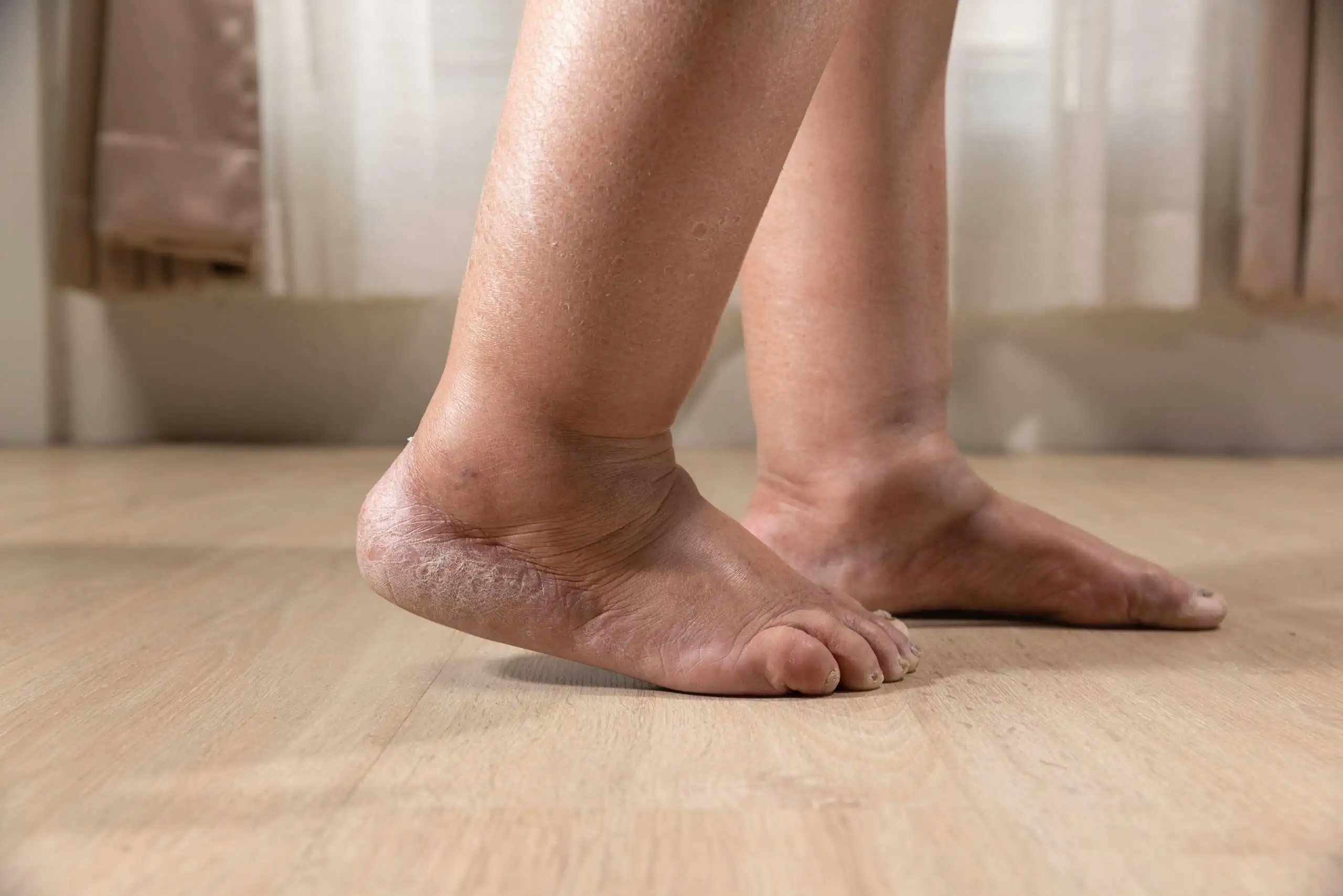

If you’ve ever experienced swollen feet and ankles, you know just how uncomfortable they can be. While it’s common, especially if you’ve been standing, walking, or sitting all day, they can also signal something may be off with your body.
Swelling, also called edema, happens when extra fluid collects in the tissues. Occasional swelling after standing, sitting, traveling, or eating a salty meal is common. However, swelling that is new, persistent, painful, one-sided, or worsening should be evaluated because it may be related to circulation problems, kidney disease, heart conditions, pregnancy-related concerns, or other medical issues.
So, what causes this swelling, and how can you know when it’s time to see a doctor? We’ve got you covered.
When Swelling Needs Urgent Care
Seek urgent medical care if swelling occurs suddenly in one leg, especially with calf pain, redness, warmth, or tenderness. These can be signs of a blood clot. Call 911 if leg swelling occurs with chest pain, shortness of breath, coughing blood, fainting, or dizziness. Deep vein thrombosis (DVT) symptoms can include swelling, pain or tenderness, warmth, and redness or discoloration, and leg swelling with chest pain or breathing trouble can signal a serious heart or lung problem.
What Causes Swollen Ankles and Feet?
Swelling happens when excess fluid gets trapped in the tissues of your feet and ankles. Sometimes the cause is temporary, such as standing for long periods, sitting during travel, eating a salty meal, or hormonal changes. Other times, swelling may be related to an injury, medication, circulation problem, or underlying health condition.
Standing or Sitting for Too Long
Whether you’ve been standing on your feet all day or sitting at a desk for hours, gravity can cause blood to pool in your lower extremities, leading to swelling in your feet and ankles by the end of the day.
Pregnancy
Foot and ankle swelling is very common during pregnancy, due to increased fluid retention and pressure from the growing baby.
It is also common for women to develop pregnancy-related swelling postpartum.
Menstrual Cycle
Hormonal changes around the menstrual cycle can lead to symptoms like cramping, bloating, fatigue, and water retention. These shifts also make it common and normal for women to have swollen ankles around the time of their period.
Health Conditions
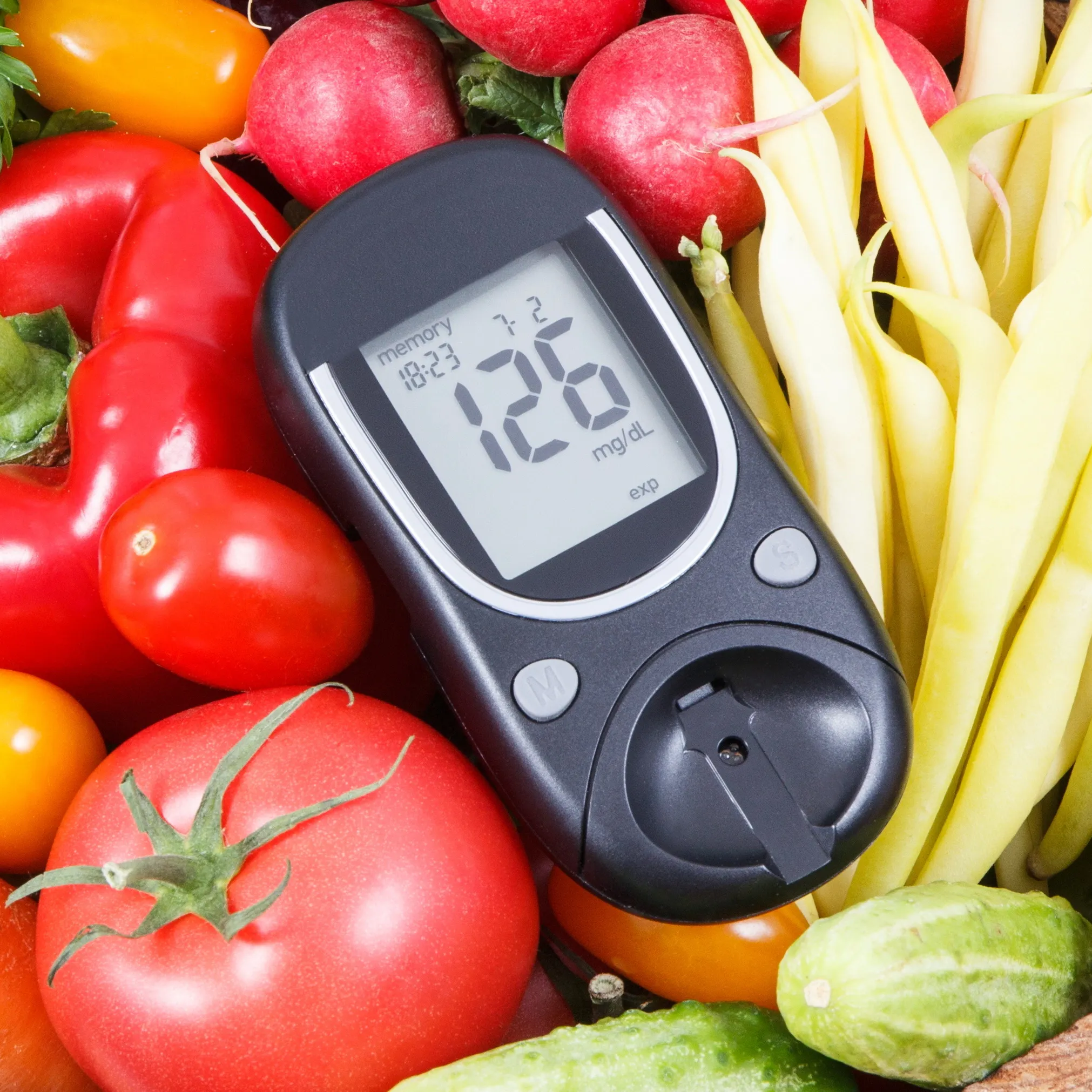
Persistent swelling may be related to underlying conditions such as heart disease, kidney disease, liver disease, diabetes-related circulation issues, vein problems, or lymphedema. Swelling of the legs, feet, and ankles can also occur with heart failure, especially when paired with shortness of breath, fatigue, or worsening fluid buildup.
If swelling may be related to circulation, diabetes, kidney disease, or heart symptoms, a primary care provider can help determine which specialist is appropriate.
Venous Insufficiency
Vein problems can make it harder for blood to return from the legs to the heart. This can lead to swelling that worsens later in the day or after long periods of standing.
Injury or Foot and Ankle Conditions
Sprains, fractures, tendon injuries, arthritis, or inflammation can cause swelling in one foot or ankle. Swelling after an injury should be evaluated if pain, bruising, or difficulty walking develops.
Medications
Some medications can contribute to swelling, including certain blood pressure medications, anti-inflammatory medications, hormones, and diabetes medications. Do not stop a medication without speaking with your healthcare provider.
How to Prevent Swollen Feet and Ankles
If your swollen feet and ankles are a recurring issue, here are a few key ways to find relief:
- Elevate Your Feet: Next time you notice your feet are swollen, try propping them up above heart level for 15-30 minutes. This helps fluid drain away from your lower extremities and reduces swelling.
- Stay Active: Gentle movement helps your calf muscles push fluid back toward the heart. If you sit or stand for long periods, take short walking breaks, flex your ankles, or do calf raises throughout the day.
- Use Compression Socks: Compression socks help alleviate swollen legs and feet by applying pressure to keep fluid from collecting in your lower extremities. They’re especially useful if you know you’ll be in one position for an extended time, such as on long flights or car rides.
- If you have diabetes, circulation problems, significant leg pain, or possible blood clot symptoms, ask a healthcare provider before using compression socks.
- Reduce Salt in Your Diet: Too much salt can cause water retention, which can lead to swelling. Cutting back and prioritizing a balanced, low-sodium diet is not only good for your overall health but also keeps swelling in check.
Tired of Dealing with Swollen Feet or Ankles?
If swelling keeps coming back, affects one side more than the other, or comes with pain, redness, warmth, or skin changes, a provider can help identify the cause and recommend the right next step.
When to See a Doctor for Swollen Feet and Ankles
Occasional swelling in your feet and ankles is usually not serious, especially after standing, sitting, traveling, or eating salty foods. However, you should schedule an evaluation if swelling becomes frequent, worsens, affects one side more than the other, or occurs with pain, redness, warmth, skin changes, or difficulty walking.
Persistent swelling may be related to foot and ankle conditions, circulation problems, diabetes, kidney disease, heart conditions, pregnancy-related concerns, or medication side effects. A healthcare provider can help identify the cause and guide you to the right specialist.
Schedule an Evaluation for Swollen Feet and Ankles
Occasional swelling may improve with movement, elevation, hydration, and reducing sodium. However, if swelling is persistent, painful, one-sided, worsening, or linked with other symptoms, it is important to find the cause.
CLS Health providers can evaluate swollen feet and ankles and connect you with the right care team, including primary care, podiatry, cardiology, nephrology, or vascular specialists when needed.
Swollen Feet and Ankles FAQs
Swelling can happen after standing, sitting, traveling, eating salty foods, pregnancy, injury, or certain medications. Persistent swelling may also be related to vein problems, heart disease, kidney disease, liver disease, diabetes, or lymphedema.
Seek care if swelling is sudden, one-sided, painful, red, warm, worsening, or associated with shortness of breath, chest pain, dizziness, fever, or difficulty walking.
Elevating your feet, moving regularly, staying hydrated, reducing sodium, and wearing compression socks when appropriate may help. Do not use compression socks if you suspect a blood clot unless a provider recommends them.
Yes. Diabetes can contribute to circulation problems, nerve damage, kidney disease, and foot complications. People with diabetes should have persistent foot or ankle swelling evaluated.