
Key Takeaways
Start slow—your joints need more time than your muscles. Gradual increases, proper warm-ups, and low-impact exercise help prevent pain and injury.
Pain is a signal—don’t ignore it. Persistent pain, swelling, or stiffness means it’s time to modify activity or seek evaluation before minor issues become chronic.
The right support protects long-term mobility. Strength training, proper footwear, and joint-friendly exercise—along with orthopedic care when needed—help keep you active at any age.
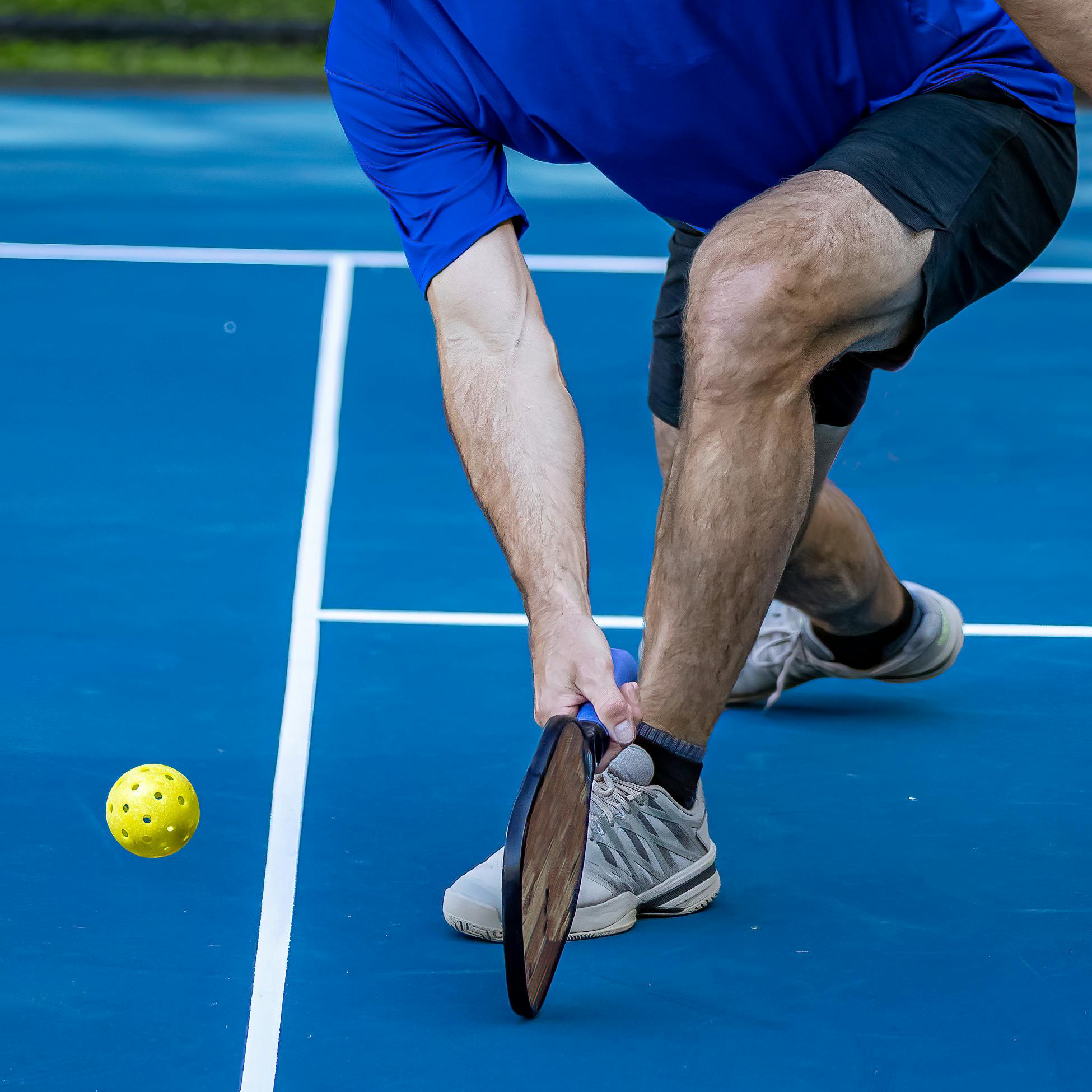
Each January, thousands of people return to exercise or increase activity—often too quickly. While motivation is high, joints, tendons, and ligaments need time to adapt. Protecting your joints early can help you stay active, avoid injury, and maintain long-term mobility throughout 2026.
Why Joint Protection Matters as You Restart or Increase Activity
Joint injuries are most common when activity levels increase suddenly after time off. Gradual progression and joint protection help reduce pain, inflammation, and long-term damage.
Every year, orthopedic and sports medicine clinics see a surge in workout-related injuries during the first few months of the year. Muscles can strengthen relatively quickly, but joints, cartilage, and connective tissues adapt much more slowly. When demand outpaces adaptation, pain and injury follow.
Higher-risk groups include:
- Active adults increasing workout intensity or frequency
- Adults returning to exercise after a long break
- Seniors and adults over 40
- People with arthritis, prior injuries, or chronic joint pain
Overuse, sudden changes in load, poor mechanics, and age-related tissue changes all contribute to joint stress during this transition period.
Common New Year Injuries Orthopedic Specialists Treat
Orthopedic specialists see a predictable pattern of injuries when people ramp up workouts too quickly at the start of the year.
Knee Pain & Overuse Injuries
- Front-of-the-knee pain (kneecap pain)
- Meniscus irritation or tears
- Osteoarthritis flare-ups
Shoulder Injuries
- Rotator cuff strains
- Shoulder impingement from lifting or overhead exercise
Hip & Lower Back Injuries
- Hip flexor strains
- Sacroiliac (SI) joint irritation
- Lumbar muscle strain
Foot & Ankle Problems
- Achilles tendonitis
- Plantar fasciitis
- Ankle sprains
Signs You’re Pushing Too Hard
- Sharp or persistent pain
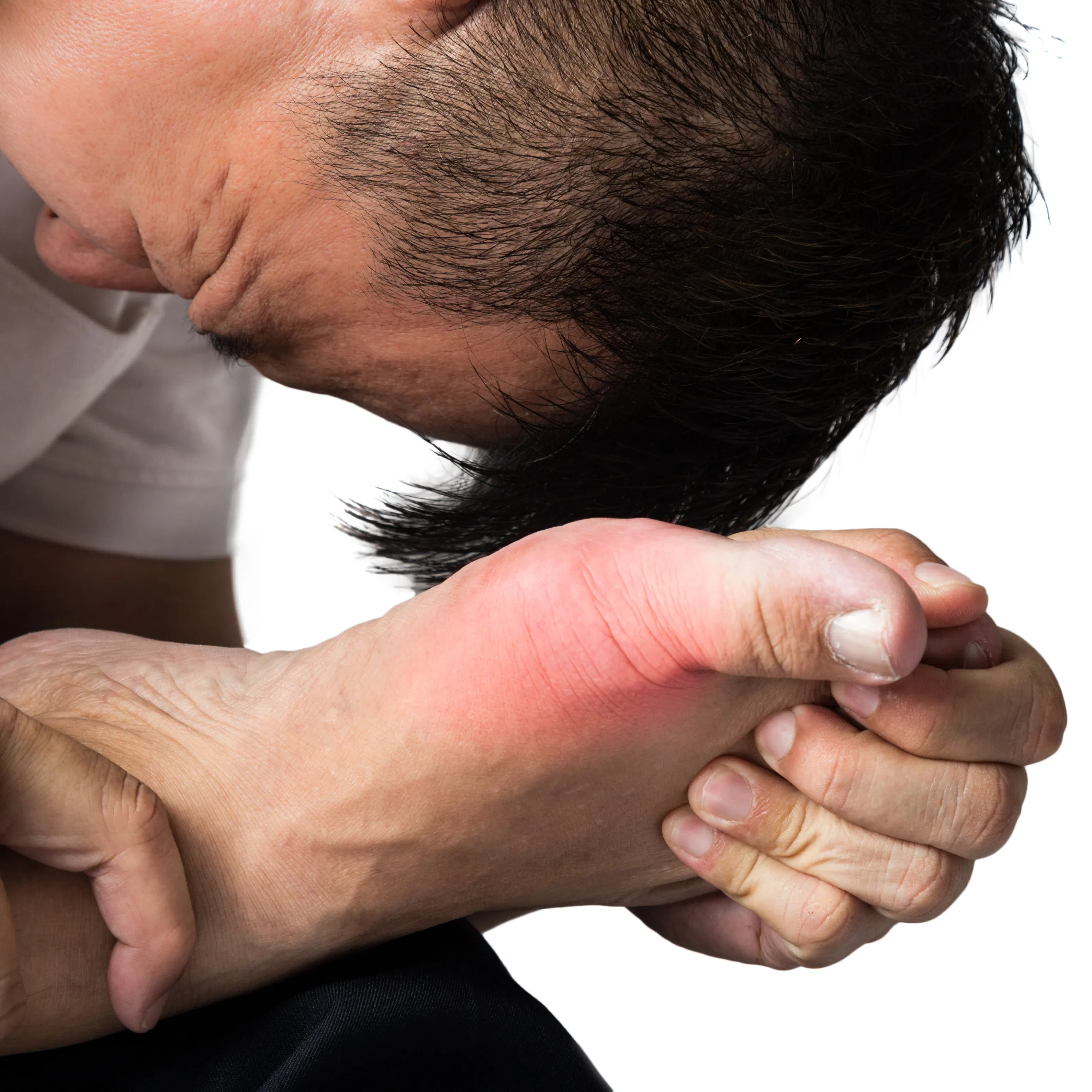
- Swelling or warmth around a joint
- Clicking, catching, or locking sensations
- Ongoing stiffness or reduced range of motion
Orthopedic Tips to Protect Your Joints as Activity Ramps Up
Start Slower Than You Think
Joints and connective tissues need time to adjust. A gradual, week-by-week increase in duration or intensity helps reduce overload and inflammation.
Prioritize Warm-Ups & Mobility
Focus on hip, shoulder, and ankle mobility before workouts. Dynamic stretching and light movement are generally more effective than static stretching before exercise.
Strength Training = Joint Protection
Strong, balanced muscles stabilize joints and absorb impact. Emphasize foundational strength exercises and avoid training only one muscle group.
Mix Low-Impact with Higher-Intensity Workouts
Incorporating low-impact options reduces joint stress while maintaining cardiovascular fitness:
- Cycling
- Swimming
- Rowing
- Elliptical
- Pilates or yoga
Supportive Gear & Footwear Matter
- Replace running shoes regularly if tread or cushioning is worn
- Braces or compression sleeves may help during flare-ups or return-to-activity phases
Learn How to Listen to Your Body
Normal soreness improves within 24–48 hours. Pain that worsens, lingers, or changes in how you move is a sign to modify or stop activity.
Special Considerations for Older Adults or Those with Joint Conditions
This section is especially important for adults over 40, seniors, and anyone managing arthritis or prior joint injuries.
As we age, cartilage thins, recovery slows, and flexibility decreases. Low-impact, joint-friendly exercises are often better tolerated, especially for individuals with:
- Osteoarthritis
- Prior surgeries
- Chronic joint pain
- Tendon disorders
Balance and strength training are also critical for fall prevention and long-term independence.
What to Do if You Feel Joint Pain When Exercising
- Rest vs. modification: Temporary activity changes may help, but complete rest isn’t always necessary
- Ice vs. heat: Ice can reduce inflammation early; heat may help stiffness later
Seek evaluation if you notice:
- Persistent pain
- Swelling that doesn’t improve
- Instability or weakness
- Pain that limits daily activity
Early evaluation can prevent minor problems from becoming chronic injuries.
How Orthopedic & Sports Medicine Specialists Help You Stay Active
Orthopedic and sports medicine teams focus on keeping patients moving safely at every stage of life. Care may include:
- Comprehensive joint and movement evaluations
- Imaging, such as X-rays or MRI, when appropriate
- Personalized treatment and activity plans
- Physical therapy for strength, mobility, and mechanics
- Joint injections when appropriate, including corticosteroid, hyaluronic acid (Visco supplementation), or platelet-rich plasma (PRP)
- Surgical options when conservative care is not enough
Return-to-activity plans are tailored to age, fitness level, and goals.
Conditions We Commonly Treat in Active Adults
- Knee arthritis
- Meniscus injuries
- Rotator cuff injuries
- Tendonitis (Achilles, patellar, elbow)
- Bursitis
- Hip impingement
- Plantar fasciitis
- Sprains and strains
Treatments That Support Safe, Long-Term Activity
- Physical therapy
- Sports medicine evaluations
- Bracing and orthotics
- Joint injections (such as corticosteroid, Visco supplementation, or PRP)
- Arthroscopy
- Non-surgical management plans
Stay Active, Stay Safe — Start the New Year Strong
Sustainable movement—not rapid intensity—is the key to long-term joint health.
If pain, stiffness, or instability appear, early orthopedic care can help prevent chronic problems and keep you moving confidently in 2026. CLS Health Orthopedics & Sports Medicine Associates has four locations serving Webster, Sugar Land, Pasadena, and the Greater Houston area.
Schedule an orthopedic or sports medicine appointment today.