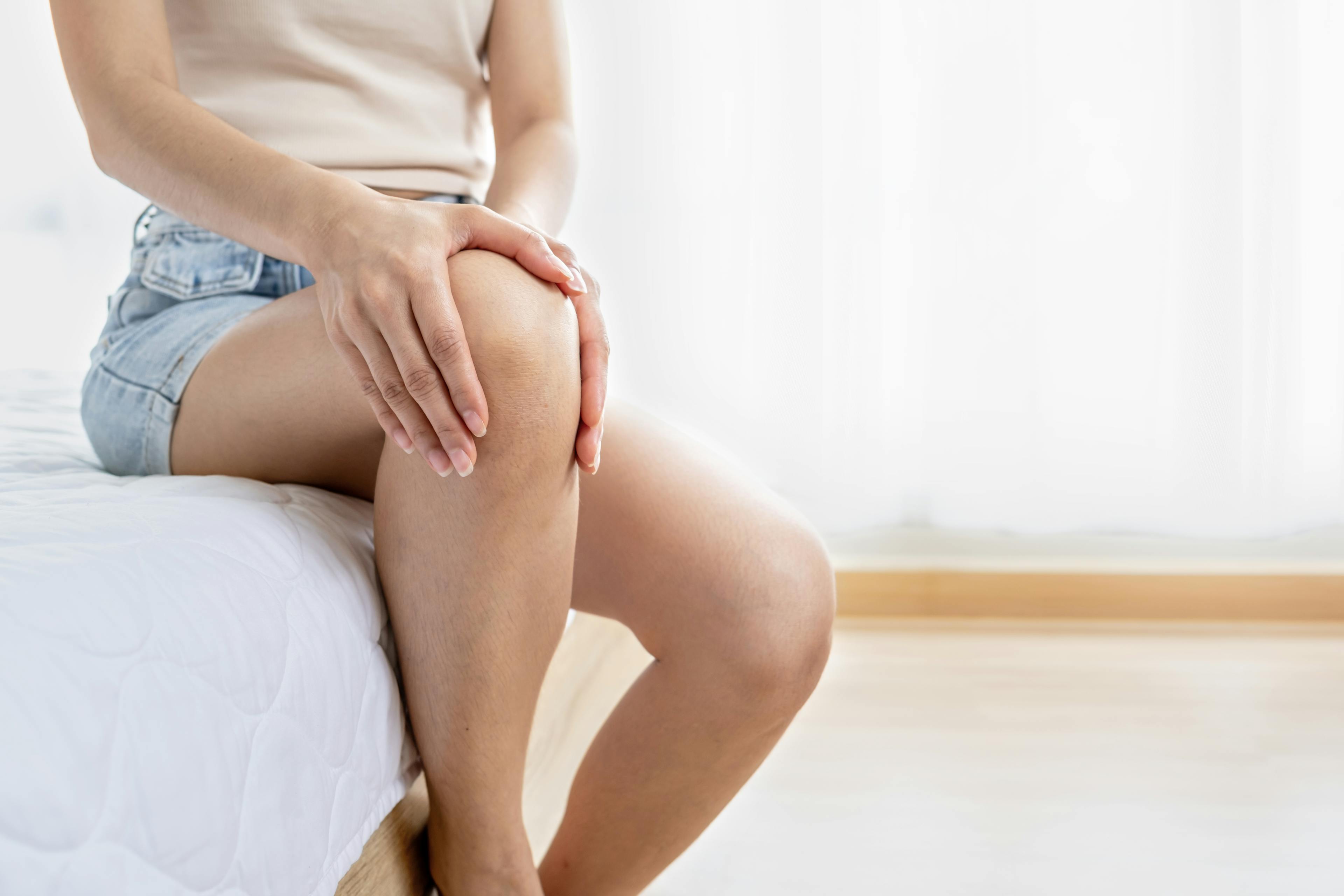

Knee pain is one of the most common joint complaints, affecting athletes, older adults, and people who spend long hours on their feet. When your knees hurt, everyday tasks like climbing stairs, bending down, or getting out of a chair can become difficult.
In many cases, gentle strengthening and stretching can help support the knee and reduce stress on the joint. Below are simple at-home exercises often used in conservative knee pain care, along with guidance on when to stop and seek medical evaluation.
Common Causes of Knee Pain
Knee pain can have many causes, including:
- Arthritis, which can cause cartilage wear, stiffness, and inflammation
- Overuse injuries from repetitive activity or sports
- Weak supporting muscles that place extra stress on the knee
- Previous injuries, such as ligament or meniscus tears
- Tendon irritation or inflammation
When the muscles around the knee, hip, and ankle are weak or poorly conditioned, the knee joint may absorb more stress during movement. Over time, this can contribute to pain, stiffness, and reduced mobility.
Knee Pain Relief Exercises to Try at Home
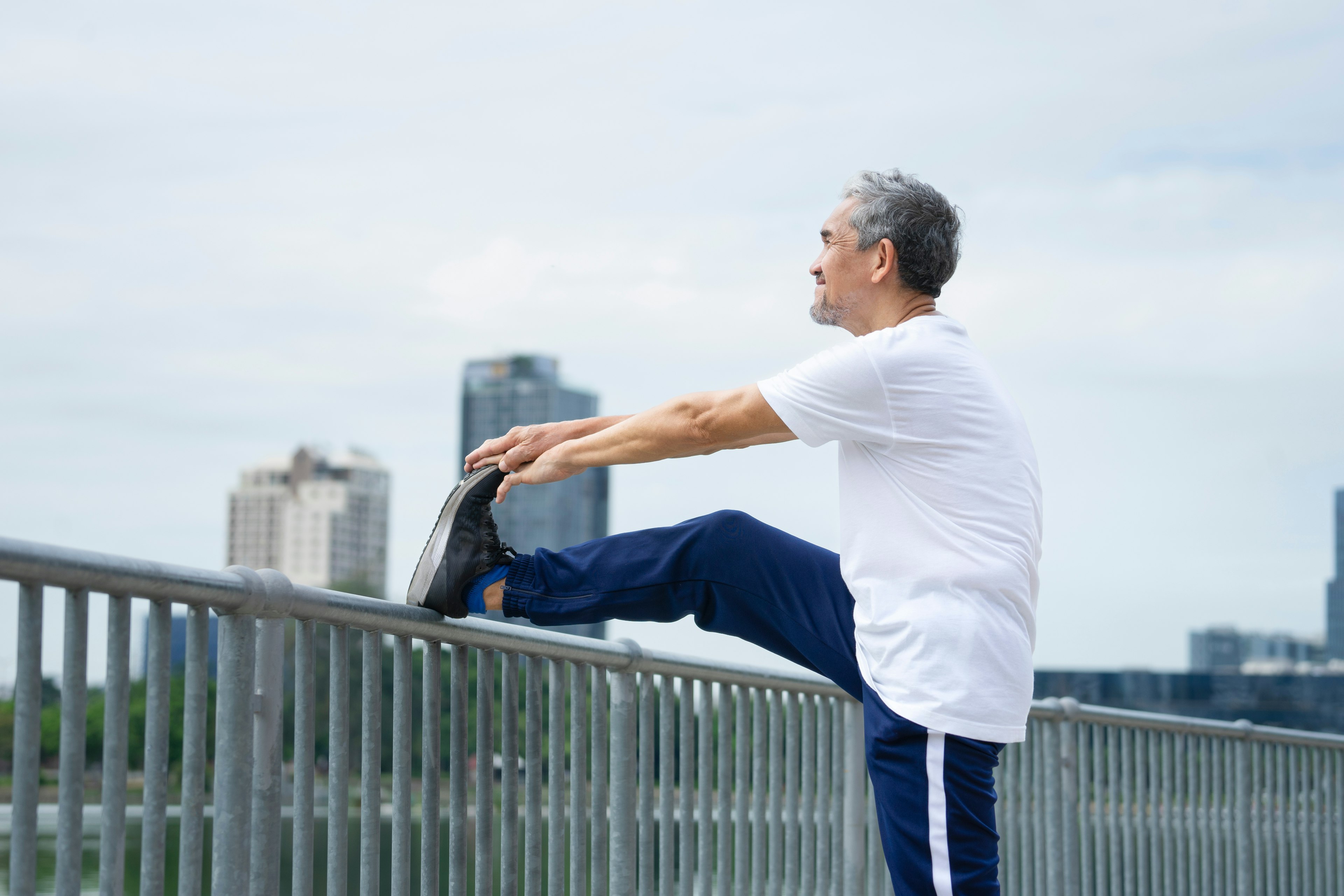
These exercises may help strengthen the muscles that support the knee and improve joint stability. Move slowly, use good form, and stop if symptoms worsen.
Straight Leg Raises
Lie on your back with one leg bent and the other leg straight. Slowly lift the straight leg a few inches off the ground, hold briefly, then lower it back down.
This exercise helps strengthen the quadriceps without placing full body weight on the knee.
Wall Sits
Stand with your back against a wall and slowly slide down until your knees are slightly bent. Hold for 10–20 seconds, then return to standing.
Avoid bending too deeply if it increases pain. This exercise helps build endurance in the thighs and core.
Calf Raises
Stand with your feet shoulder-width apart and slowly lift your heels off the ground. Lower back down with control.
Stronger calf muscles can help support ankle and knee stability during walking and daily activity.
Step-Ups
Use a low step or sturdy surface. Step up slowly with one foot, then step back down with control.
Start with a low height and avoid this exercise if it causes sharp pain, instability, or worsening symptoms.
Hamstring Curls
Stand upright and bend one knee, bringing your heel gently toward your glutes. Lower the foot back down slowly.
This helps strengthen the muscles along the back of the thigh, which support knee movement and stability.
How to Exercise Safely with Knee Pain
To reduce the risk of worsening pain:
- Begin slowly and increase repetitions gradually
- Avoid exercises that cause sharp, sudden, or worsening pain
- Wear supportive shoes
- Exercise on a flat, stable surface
- Focus on controlled movement rather than speed
- Stop if the knee feels unstable or gives out
Mild muscle soreness can be normal when starting a new routine. However, joint pain that becomes sharper, more intense, or lasts after exercise should be evaluated.
When to Avoid Exercise with Knee Pain
While movement is often helpful, there are times when exercise may not be safe.
Hold off on knee exercises and seek medical advice if you notice:
- Sudden swelling after an injury
- A popping sound or sensation when pain begins
- Severe instability or a feeling that the knee may give out
- Inability to bear weight
- Sharp pain that does not improve with rest
- Locking, catching, or loss of motion
- Redness, warmth, or fever with knee pain
Continuing to exercise through these symptoms may worsen an injury. A pain medicine physician, orthopedic specialist, physical therapist, or primary care provider can help determine whether imaging, bracing, medication, injections, physical therapy, or another treatment approach may be appropriate.
Other Helpful Strategies for Knee Pain Relief
Exercise is only one part of knee pain management. Other strategies may include:
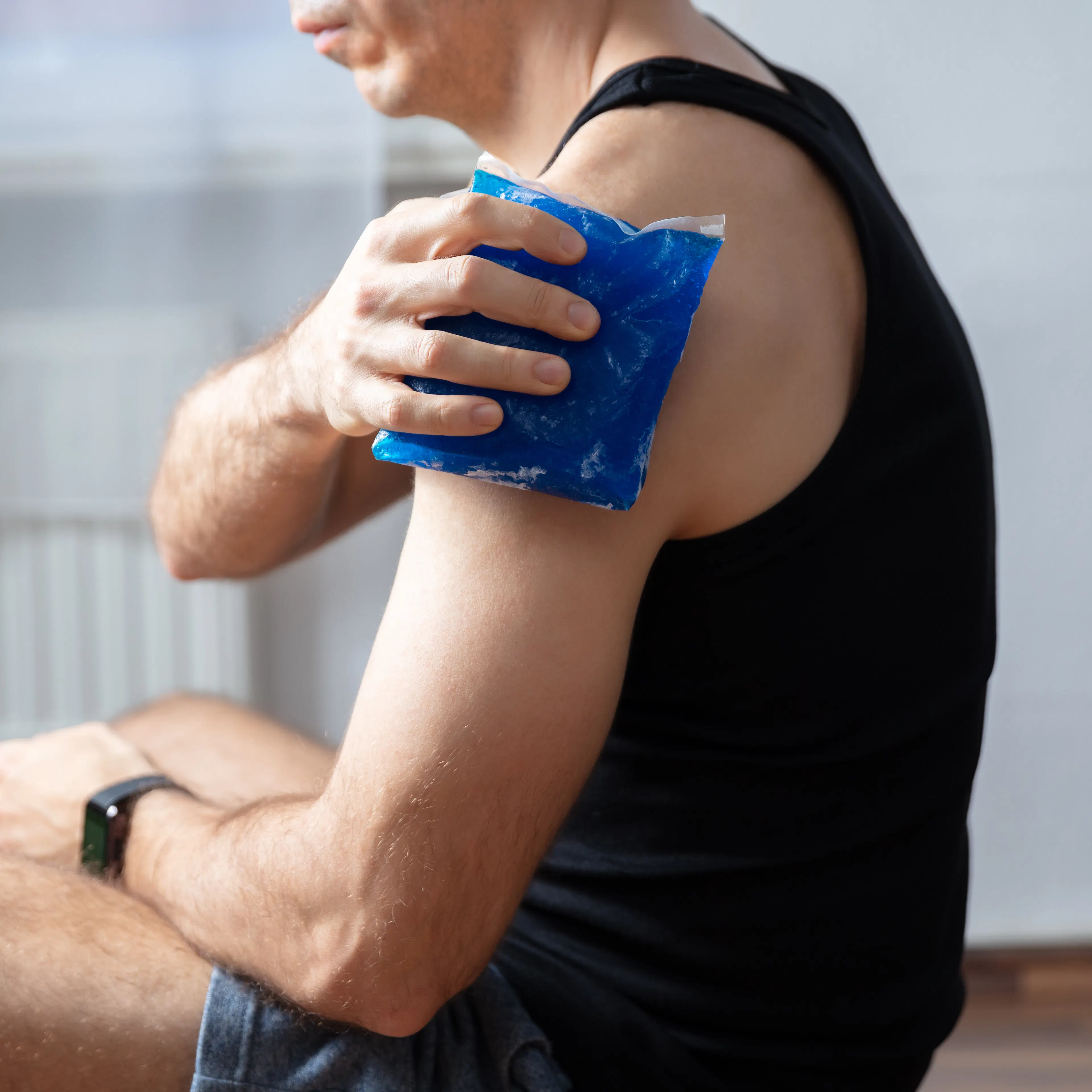
- Applying ice for 15–20 minutes after activity
- Maintaining a healthy weight to reduce stress on the knees
- Wearing supportive shoes or orthotics when appropriate
- Practicing proper movement mechanics
- Choosing low-impact activities like swimming, cycling, or walking
- Strengthening the quadriceps, hamstrings, hips, and calves
- Avoiding activities that repeatedly trigger pain
Together, these adjustments may help improve knee comfort, function, and activity tolerance.
When to See a Pain Medicine Specialist for Knee Pain
If knee pain lasts more than two weeks, limits mobility, interferes with sleep, or does not improve with at-home care, it may be time to seek medical evaluation.
A pain medicine physician can help identify the underlying cause of knee pain and recommend a treatment plan that may include physical therapy, activity modification, medications, bracing, image-guided injections, or other non-surgical options when appropriate.
For some patients with persistent knee pain, a pain medicine specialist may also discuss advanced options such as peripheral nerve stimulation (PNS). PNS uses a small device to target specific nerves involved in pain signaling and may be considered for select patients with chronic knee pain, including pain that continues after knee replacement or pain that needs to be managed while preparing for future surgery.
Get Help for Persistent or Chronic Knee Pain at CLS Health
CLS Health provides knee pain evaluation and treatment across the Greater Houston area, including Webster, Clear Lake, League City, and surrounding communities. If knee pain is limiting your daily activities, exercise routine, or sleep, our team can help identify the cause and recommend appropriate treatment options.
Schedule an appointment for knee pain evaluation and treatment in Webster or Houston.
Book with Dr. Patel

Pain Medicine