
Quick Facts: Birth Control Options
There is no single "best" birth control option for everyone. The right choice depends on your health history, lifestyle, pregnancy goals, and personal preferences.
Birth control options include over-the-counter methods, prescription contraceptives, IUDs, implants, injections, and permanent procedures.
An OB/GYN can help you compare effectiveness, side effects, and medical considerations to find a method that fits your needs.
Choosing a Birth Control Method Can Feel Overwhelming
Women today have more birth control options than ever before. From over-the-counter contraceptives and daily pills to long-acting IUDs and implants, there are many ways to prevent pregnancy, regulate menstrual cycles, and reduce heavy bleeding or painful periods.
The best birth control method depends on more than effectiveness alone. Factors such as convenience, menstrual symptoms, future pregnancy plans, side effects, and underlying health conditions can all influence which option may be right for you.
Whether you're exploring birth control for the first time, considering alternatives to the pill, or looking for a method that better fits your lifestyle, this guide can help you understand your options and when it may be helpful to speak with an OB/GYN.
Patients throughout Katy and Cinco Ranch, Webster and Clear Lake, the Houston Galleria area, and surrounding communities often schedule family planning consultations to discuss contraception, menstrual symptoms, and long-term reproductive health goals.
Quick Answer: What Is the Best Birth Control Option?
There is no single best birth control method for everyone. The right option depends on:
- Your medical history
- Whether you want children in the future
- Your lifestyle and daily routine
- How important convenience is to you
- Potential side effects
- Menstrual symptoms
- Whether STI protection is needed
An option that works well for one person may not be the best choice for another.
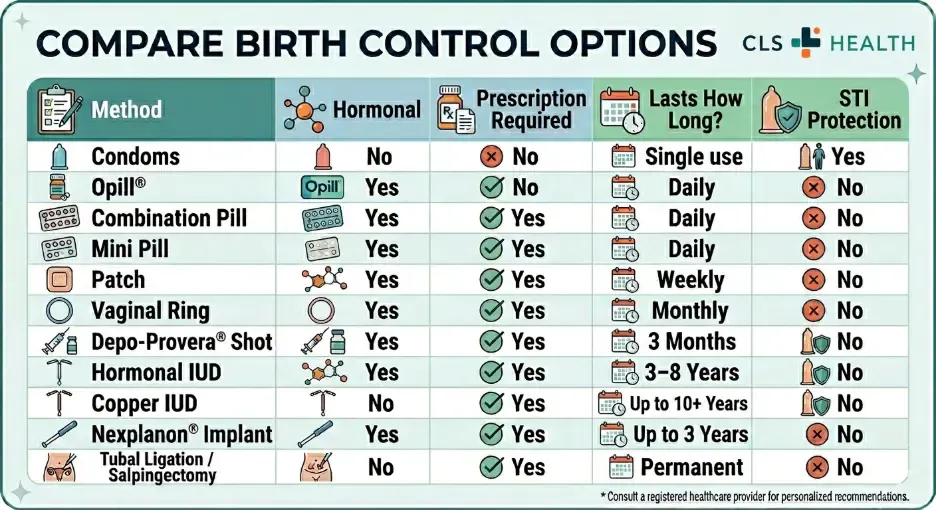
Birth Control Options at a Glance
What Are the Different Types of Birth Control?
Birth control methods generally fall into four categories:
1. Over-the-Counter Birth Control
Available without a prescription.
Examples include:
- Condoms
- Opill®
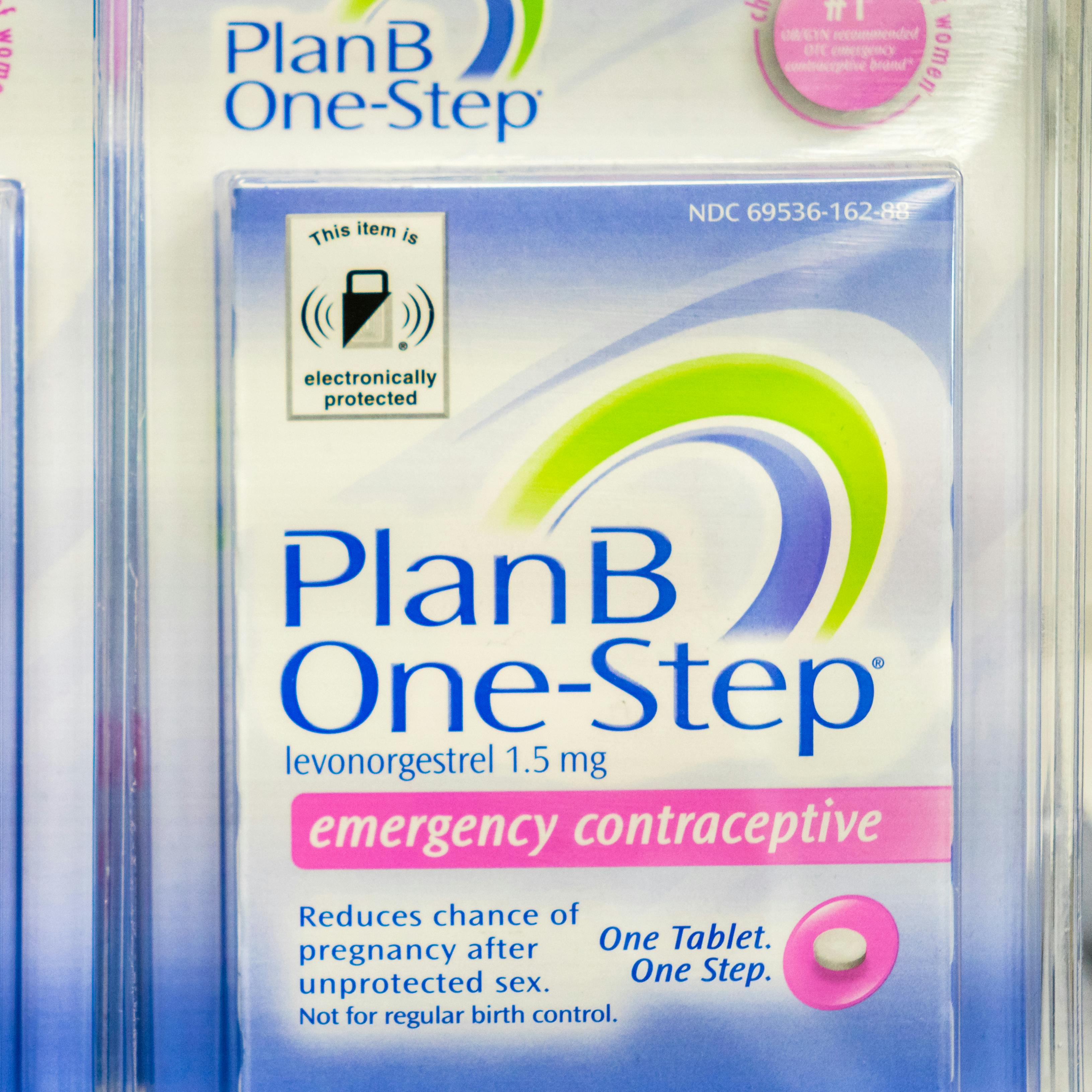
- Emergency contraception
2. Prescription Hormonal Birth Control
Requires a prescription from a healthcare provider.
Examples include:
- Birth control pills
- Birth control patch
- Vaginal ring
- Depo-Provera® injection
3. Long-Acting Reversible Contraception (LARC)
Provides highly effective pregnancy prevention for years at a time.
Examples include:
- Hormonal IUDs
- Copper IUD
- Nexplanon® implant
4. Permanent Birth Control
Intended for individuals who do not want future pregnancies.
Examples include:
- Tubal ligation
- Bilateral salpingectomy
Over the Counter Birth Control Options
Condoms
Condoms remain one of the most accessible forms of contraception.
Benefits:
- No prescription required
- Help reduce STI transmission
- Available in most pharmacies
Limitations:
- Must be used correctly every time
- Less effective than some long-acting methods
Emergency Contraception
Emergency contraception may help prevent pregnancy after unprotected intercourse or contraceptive failure.
It is not intended for routine birth control use.
Opill® (Over-the-Counter Birth Control Pill)
Opill® is the first birth control pill available over the counter in the United States.
Potential benefits include:
- No prescription required
- Increased access to contraception
- Convenient availability
Potential limitations include:
- Must be taken consistently every day
- Not appropriate for everyone
- Does not protect against STIs
Key Takeaway
Over-the-counter birth control options can improve access to contraception but may not be the best fit for every individual's medical history, lifestyle, or reproductive goals.
Prescription Birth Control Options
Combination Birth Control Pills
These pills contain estrogen and progestin.
Benefits may include:
- Pregnancy prevention
- More predictable periods
- Reduced menstrual cramps
- Acne improvement
Progestin-Only Pills (Mini Pills)
These pills contain only progestin and may be recommended for some individuals who cannot take estrogen-containing contraceptives.
Birth Control Patch
The patch is applied to the skin and replaced weekly.
Some women prefer the convenience of weekly dosing compared to a daily pill.
Vaginal Ring
The ring is inserted into the vagina and typically replaced monthly.
Depo-Provera® Shot
This injection is administered approximately every three months.
Benefits include convenience and effectiveness, but it may not be the right choice for everyone.
Benefits of Prescription Hormonal Birth Control
In addition to pregnancy prevention, hormonal birth control may help:
- Regulate menstrual cycles
- Improve acne
- Regulate periods and reduce certain health concerns associated with PCOS
- Reduce heavy menstrual bleeding
- Improve painful periods
Birth Control Options Beyond the Pill
Many women are interested in contraceptive options that do not require a daily routine.
Hormonal IUDs
Examples include:
- Mirena®
- Kyleena®
- Skyla®
- Liletta®
Hormonal IUDs release medication primarily within the uterus. Because their effects are mostly localized, they generally produce fewer whole-body hormonal effects than methods such as the pill, patch, vaginal ring, implant, or injection.
Potential benefits:
- Long-term pregnancy prevention
- Highly effective
- Low maintenance
- May reduce menstrual bleeding
- Lower likelihood of systemic hormonal side effects compared with some other hormonal methods
Copper IUD
The copper IUD is hormone-free and can provide pregnancy prevention for more than 10 years.
Some women prefer this option because it does not contain hormones.
The copper IUD also works locally within the uterus and does not release hormones, so it does not cause systemic hormonal side effects.
Nexplanon® Implant
Nexplanon® is a small implant placed under the skin of the upper arm that can provide pregnancy prevention for up to five years.
Benefits include:
- Up to five years of contraception
- Highly effective pregnancy prevention
- No daily maintenance
Permanent Birth Control
Permanent options include:
- Tubal ligation
- Bilateral salpingectomy
These procedures are intended for individuals who are certain they do not want future pregnancies.
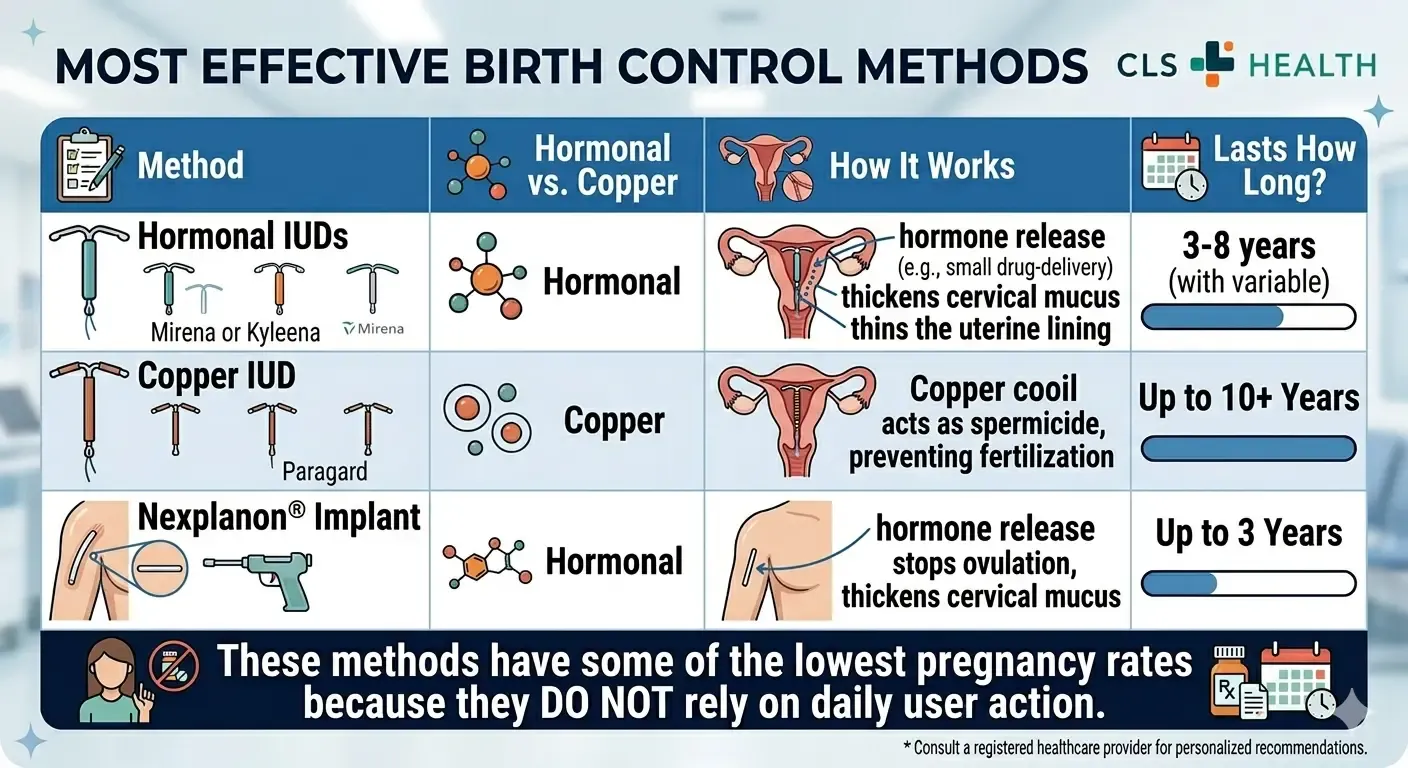
Which Birth Control Is Most Effective?
Most Effective Reversible Methods
Long-acting reversible contraceptives are among the most effective options because they do not depend on daily or regular use:
- Hormonal IUDs
- Copper IUD
- Nexplanon® implant
Methods That Depend on Consistent Use
These methods can be highly effective when used correctly, but missed pills, delayed replacements, or late injections can reduce their effectiveness:
- Birth control pills
- Birth control patch
- Vaginal ring
- Depo-Provera® injection
Other User-Dependent Methods
These methods must be used correctly every time or require careful tracking:
- Condoms
- Fertility awareness methods
An OB/GYN can help you compare effectiveness, convenience, side effects, and pregnancy goals when choosing a method.
Which Birth Control Has the Fewest Side Effects?
There is no universal birth control option with the fewest side effects.
Each person responds differently to hormonal and non-hormonal contraceptives.
Possible Hormonal Side Effects
Some individuals may experience:
- Irregular bleeding
- Breast tenderness
- Mood changes
- Headaches
- Nausea
Non-Hormonal Options
Women who prefer to avoid hormones may consider:
- Copper IUD
- Condoms
Why Personalization Matters
Your age, medical history, hormone sensitivity, reproductive goals, and lifestyle all influence which option may be the best fit.
Birth Control Options for Heavy Periods, PCOS, Acne, and Hormonal Symptoms
Many women use birth control for reasons beyond pregnancy prevention.
- Heavy Menstrual Bleeding: Certain hormonal contraceptives may help reduce menstrual flow.
- Painful Periods: Hormonal birth control may help decrease menstrual cramping and discomfort.
- PCOS: Hormonal birth control may regulate menstrual cycles and reduce certain health concerns associated with PCOS, including the risk of excessive thickening of the uterine lining caused by infrequent periods.
- Acne: Some hormonal contraceptives may improve acne symptoms.
- Endometriosis Symptoms: Hormonal birth control may be part of a treatment plan to help manage endometriosis-related symptoms.
If you're managing conditions such as PCOS, endometriosis, heavy periods, or painful periods, an OB/GYN can help determine whether hormonal or non-hormonal contraception may be appropriate.
Birth Control Options for Teens and Young Adults
Birth control counseling for teens and young adults should be individualized.
Important considerations include:
- Ease of use
- Adherence
- Menstrual concerns
- Acne
- Privacy and confidentiality
- Long-term reproductive goals
No single method is best for every teenager or young adult.
Birth Control and STI Protection
Most birth control methods do not protect against sexually transmitted infections (STIs).
Condoms are the only birth control method that also helps reduce the risk of many STIs, although they do not eliminate the risk completely.
Many healthcare providers recommend dual protection, such as using condoms together with another form of birth control.
How Medical History Can Affect Birth Control Choices
Your medical history plays an important role when choosing contraception.
Factors that may influence recommendations include:
- Migraine with aura
- High blood pressure
- History of blood clots
- Smoking status
- Breastfeeding
- History of breast cancer
- Medication interactions
This is one reason why individualized counseling with an OB/GYN is important.
How an OB/GYN Helps You Choose the Right Birth Control
An OB/GYN can help by:
- Reviewing your medical history
- Discussing side effects and risks
- Evaluating menstrual symptoms
- Addressing family planning goals
- Providing IUD and implant counseling
- Offering ongoing follow-up care
Birth control decisions are often easier when you have personalized guidance rather than relying on online comparisons alone.
When Should You Talk to an OB/GYN About Birth Control?
Consider scheduling an appointment if you:
- Want an IUD or Nexplanon® implant
- Have heavy or painful periods
- Have PCOS or endometriosis
- Are experiencing side effects from your current birth control
- Need postpartum contraception guidance
- Have underlying medical conditions
- Are considering permanent birth control
- Are planning a future pregnancy and want preconception counseling
FAQs
Long-acting reversible contraceptives, including IUDs and the Nexplanon® implant, are among the most effective forms of birth control because they do not rely on daily use.
There is no single birth control option with the fewest side effects for everyone. The best choice depends on your health history, hormone sensitivity, and personal preferences.
When taken correctly, Opill® can be an effective contraceptive option. However, consistency is important, and it may not be the best choice for every individual.
Alternatives include the patch, vaginal ring, Depo-Provera® shot, hormonal IUDs, copper IUDs, Nexplanon® implants, condoms, and permanent birth control procedures.
Yes. Hormonal birth control may regulate periods, improve acne, and reduce certain health concerns associated with PCOS. Your OB/GYN can help determine which option is appropriate for you.
Some hormonal contraceptives, including certain hormonal IUDs, may help reduce heavy menstrual bleeding. An OB/GYN can help determine which option may be most appropriate.
Not always. Some birth control options, such as condoms and Opill®, are available without a prescription. However, methods such as IUDs, implants, injections, and many hormonal contraceptives require evaluation and management by a healthcare provider.
Find the Right Birth Control Option for You
Choosing birth control is a personal decision that should reflect your health history, lifestyle, pregnancy goals, and preferences.
Whether you're exploring birth control for the first time, interested in an IUD or implant, managing PCOS or heavy periods, or looking for alternatives to the pill, an OB/GYN can help you evaluate your options and choose a method that aligns with your needs.
CLS Health OB/GYN providers offer family planning consultations, well-woman exams, and contraceptive counseling for women throughout Katy and Cinco Ranch, Webster and Clear Lake, the Houston Galleria area, and surrounding communities.