

Key Takeaways
CLS Health offers gastric sleeve, gastric bypass, and revision bariatric surgery for eligible patients seeking surgical weight loss.
Bariatric surgery can support significant, sustained weight loss and may improve obesity-related conditions such as type 2 diabetes, high blood pressure, and sleep apnea.
Successful bariatric surgery requires long-term care, including nutrition guidance, medical follow-up, lifestyle changes, and ongoing support.
Bariatric Surgery in Houston
Bariatric surgery can help eligible patients achieve significant, sustained weight loss when lifestyle changes and other treatments haven't provided sufficient results. It can also improve obesity-related conditions such as type 2 diabetes, high blood pressure, sleep apnea, and joint problems.
At CLS Health, our Houston-area bariatric surgeon provides comprehensive surgical weight loss care, including gastric sleeve, gastric bypass, and revision bariatric surgery. From your initial evaluation through surgery and long-term follow-up, our team provides personalized support to help you achieve healthier, sustainable results.
What Is Bariatric Surgery?
Bariatric surgery, also called weight loss surgery, includes procedures that modify the stomach and, in some cases, the digestive system to support weight loss and improve metabolic health.
Unlike cosmetic procedures, bariatric surgery treats obesity as a chronic medical condition and may help reduce the health risks associated with type 2 diabetes, sleep apnea, high blood pressure, and other obesity-related conditions.
Bariatric surgery differs from nonsurgical weight loss programs because it involves anatomical changes designed to support long-term weight management. At CLS Health, surgical care can be coordinated with nutrition, endocrinology, and primary care when appropriate.
Who Is a Candidate for Bariatric Surgery?
Bariatric surgery may be considered for adults living with obesity, particularly when excess weight is affecting their health or previous weight loss efforts haven't provided sufficient, lasting results.
Candidates may include patients who:
- Meet clinical BMI criteria for bariatric surgery
- Have obesity-related conditions such as type 2 diabetes, high blood pressure, sleep apnea, metabolic disease, or joint problems
- Have been unable to achieve sufficient long-term weight loss through nonsurgical approaches
- Are prepared to follow nutrition and lifestyle recommendations
- Understand the importance of long-term medical follow-up
Eligibility criteria can vary based on your health, procedure, and insurance requirements. Your bariatric surgeon will determine whether surgery is appropriate after a comprehensive evaluation.
Bariatric Surgery & Weight Loss Surgery Options
Our bariatric surgeon offers several weight loss surgery options. The right procedure depends on your health, weight loss goals, medical history, and previous treatment.
Gastric Sleeve Surgery
Gastric sleeve surgery (sleeve gastrectomy) removes a large portion of the stomach, creating a smaller, sleeve-shaped stomach. This helps patients feel full sooner and can affect hormones involved in appetite and metabolism.
It is one of the most commonly performed bariatric procedures and does not require rerouting the intestines.
Gastric Bypass Surgery
Gastric bypass (Roux-en-Y gastric bypass) creates a smaller stomach pouch and reroutes part of the small intestine. The procedure reduces the amount of food the stomach can hold and changes how the digestive system processes food.
Gastric bypass may be considered based on a patient's weight, metabolic health, reflux history, previous treatments, and other clinical factors.
Revision Bariatric Surgery
Revision bariatric surgery may be considered for patients who have previously undergone weight loss surgery and are experiencing complications, inadequate weight loss, significant weight regain, or anatomical concerns.
Your surgeon will evaluate your previous procedure and current health to determine whether revision surgery is appropriate.
Not Sure Which Weight Loss Surgery Is Right for You?
Gastric sleeve, gastric bypass, and revision surgery each have different considerations. Meet with our bariatric surgeon to discuss your health, weight loss goals, and which options may be appropriate for you.
Frequently Asked Questions
These FAQs address what patients most often want to know about bariatric surgery. Your bariatric team will tailor recommendations to your medical needs and long-term goals.
Weight loss varies from person to person, but many patients lose a significant amount of weight in the first year. Results depend on the type of surgery, your starting weight, metabolic health, and long-term lifestyle habits. Your surgeon will help set realistic expectations based on your individual goals and health needs.
Most people begin losing weight immediately after surgery, with the fastest changes occurring within the first 3–6 months. Weight loss typically continues for 12–18 months before stabilizing. Your progress depends on factors such as diet, activity level, and overall health.
Successful long-term weight management requires ongoing changes, including mindful eating, portion control, staying active, attending follow-up visits, and working closely with a nutrition professional. These habits help support healing, prevent complications, and promote lasting results.
Most patients need long-term vitamin and mineral supplementation after bariatric surgery. This helps prevent deficiencies that can occur due to reduced stomach size or changes in nutrient absorption. Your care team will recommend personalized supplements based on the procedure performed.
Many people experience improvement in obesity-related conditions—such as type 2 diabetes, sleep apnea, high blood pressure, and joint pain—after bariatric surgery. The degree of improvement varies, but metabolic benefits often begin soon after surgery and may continue as weight loss progresses.
Some weight regain is common over time, but significant regain can occur for various reasons, including changes in eating habits, reduced activity, or anatomical issues related to a previous surgery. Your bariatric team can evaluate the cause and recommend nutrition counseling, behavioral support, or, when appropriate, revision surgery.
Benefits of Bariatric Surgery
Depending on the procedure and individual patient, bariatric surgery may support:
- Significant, sustained weight loss
- Improved blood sugar control and type 2 diabetes
- Lower blood pressure
- Improvement in sleep apnea
- Improved mobility and physical function
- Reduced burden of certain obesity-related conditions
- Improved quality of life
Results vary, and bariatric surgery requires ongoing lifestyle changes and medical follow-up.
Risks & Considerations
All surgeries carry some degree of risk. Bariatric procedures require long-term nutrition guidance, follow-up appointments, and lifestyle adjustments. Choosing a qualified bariatric surgeon and staying engaged with your care team are essential for safe, successful outcomes.
Your Bariatric Surgery Journey at CLS Health
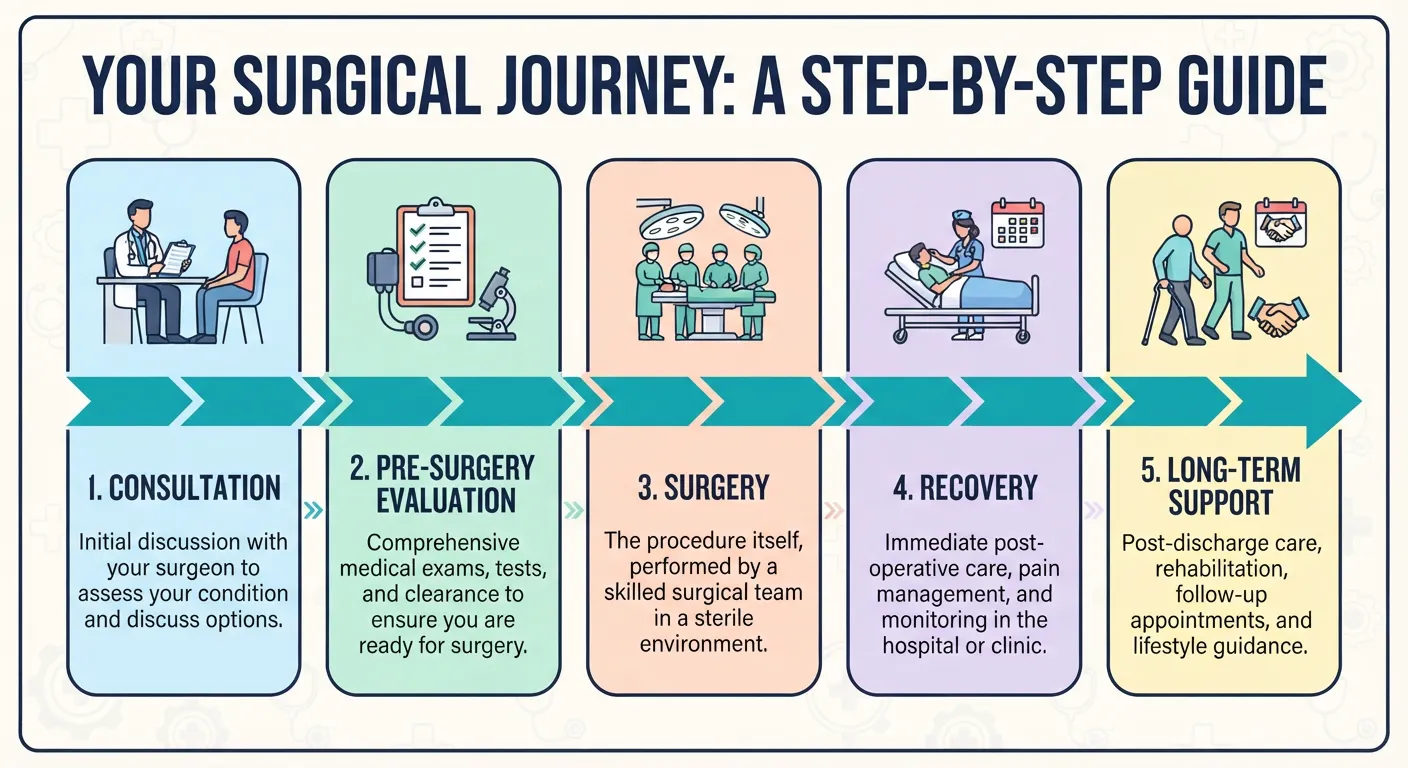
A guided, step-by-step process—from evaluation and nutrition prep to surgery, recovery, and long-term support—to help you achieve safe, lasting results.
Initial Consultation
Your first visit includes a review of your medical history, discussion of your goals, and an overview of potential procedure options.
Pre-Surgery Requirements
You will meet with our nutrition team and receive general guidance on pre-operative diet preparation. Lab work or other evaluations may be required depending on your plan.
Surgery Day
Your care team will guide you through arrival, preparation, and what typically happens during a surgical visit.
General Recovery Timeline
Recovery varies but usually includes a progression of diet stages, gradual return to activity, and scheduled follow-up visits with your surgeon.
Ongoing Support
Long-term success is supported by:
- Nutrition counseling
- Behavioral and emotional support
- Regular surgeon follow-ups
- Support groups and education programs
Meet Our Houston-Area Bariatric Surgeon
Maamoun Harmouch, MD
Bariatric Surgery • General Surgery • Colon & Rectal Surgery
Dr. Maamoun Harmouch is a board-certified surgeon providing bariatric and weight loss surgery in Webster and the Greater Houston area. He specializes in minimally invasive surgical care, including gastric sleeve, gastric bypass, and revision bariatric procedures.
Dr. Harmouch also evaluates and treats complications related to previous bariatric surgery and provides long-term surgical follow-up.
Why Choose CLS Health for Bariatric Surgery in Houston
Patients choose CLS Health for:
- Experienced bariatric and minimally invasive surgical care
- Gastric sleeve, gastric bypass, and revision surgery
- Personalized bariatric surgery evaluations
- Coordinated nutrition, primary care, and endocrinology support
- Experience managing complex bariatric and gastrointestinal conditions
- Long-term follow-up after weight loss surgery
- Convenient access from Webster, Clear Lake, and the Greater Houston area
Our multidisciplinary approach supports patients before surgery, throughout recovery, and during long-term weight management.
Bariatric Surgery Near Houston & Clear Lake
CLS Health provides bariatric and weight loss surgery at our Clear Lake location:
CLS Health Colorectal Surgery – Clear Lake
600 North Kobayashi Road, Suite 213, Webster, TX 77598
Our bariatric surgery team serves patients throughout:
- Houston
- Webster
- Clear Lake
- League City
- Friendswood
- Nassau Bay
- Seabrook
- Pearland
- Greater Houston
Bariatric Surgery Insurance Coverage & Financing
Many insurance plans may cover bariatric surgery when medical and plan-specific requirements are met. Requirements can include prior authorization, documentation of medical necessity, or completion of other preoperative requirements.
Coverage varies by plan. Our team can help you understand insurance requirements and available self-pay or financing options.
FAQs
Eligibility depends on factors such as your BMI, obesity-related health conditions, previous weight loss efforts, overall health, and the procedure being considered. Your bariatric surgeon will complete a comprehensive evaluation to determine whether surgery is appropriate.
Weight loss varies based on the procedure, starting weight, health, and long-term lifestyle habits. Many patients achieve significant weight loss after surgery, but your surgeon can provide more individualized expectations based on your treatment plan.
Gastric sleeve reduces the size of the stomach, while gastric bypass creates a smaller stomach pouch and reroutes part of the small intestine. Both can support substantial weight loss, but each has different benefits and considerations.
Recovery depends on the procedure and individual patient. Many patients gradually return to everyday activities over the first several weeks, while diet progression, activity, and healing continue under the guidance of their surgical team.
Many insurance plans cover bariatric surgery when specific medical and plan requirements are met. Coverage and preauthorization requirements vary, so benefits should be verified before surgery.
Bariatric surgery can improve several obesity-related conditions, including type 2 diabetes, sleep apnea, and high blood pressure. Results vary based on the procedure, amount of weight lost, and individual health factors.
Schedule a Bariatric Surgery Consultation in Houston
If you're considering gastric sleeve, gastric bypass, or another surgical weight loss option, our bariatric team at CLS Health Colorectal Surgery — Clear Lake can help you understand your choices and determine whether surgery is right for you.
Meet with Dr. Harmouch for a personalized evaluation and take the next step toward improving your weight and long-term health.
Book with Dr. Harmouch

General Surgery, Bariatric Surgery, Colon and Rectal Surgery