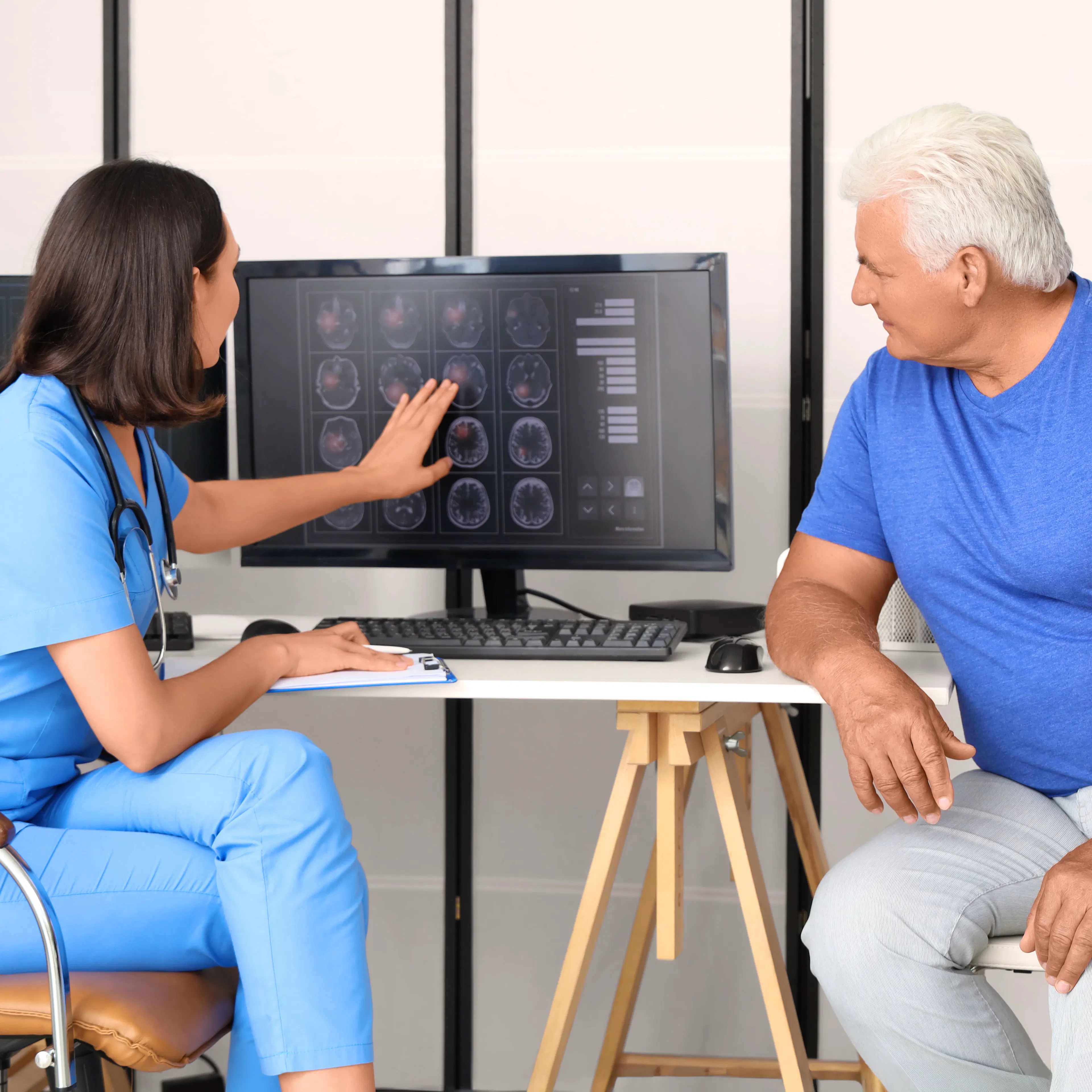

CLS Health provides EEG, EMG and nerve conduction studies (NCS), and autonomic testing in Houston to help evaluate seizures, numbness, weakness, neuropathy, dizziness, fainting, and other neurological symptoms.
Our board-certified neurologists combine specialized diagnostic testing with neurological evaluation to help identify potential causes of symptoms and determine appropriate next steps for treatment.
By combining advanced diagnostic technology with expert neurological interpretation, we help physicians identify potential causes of neurological symptoms and guide appropriate treatment.
Neurodiagnostic Tests We Offer
Depending on your symptoms and medical history, your neurologist may recommend an EEG, EMG and nerve conduction study (NCS), or autonomic testing to evaluate how your brain, nerves, muscles, or autonomic nervous system are functioning.
EEG Testing in Houston
EEG (Electroencephalogram)
An electroencephalogram (EEG) records electrical activity in the brain using small electrodes placed on the scalp. The test is painless, non-invasive, and commonly used to detect abnormal brain wave patterns.
Neurologists may order an EEG to evaluate:
- Seizures
- Epilepsy
- Unexplained episodes of confusion or loss of awareness
During the test, electrodes measure electrical signals produced by brain cells and transmit data to a monitoring system for analysis. The test usually takes 30–60 minutes and is performed in an outpatient setting.
EEG testing can help neurologists identify abnormal brain activity even when imaging tests appear normal, making it a valuable tool in diagnosing seizure disorders and other neurological conditions.
EMG & Nerve Conduction Studies in Houston
Neurological symptoms such as numbness, weakness, or tingling may originate from nerve damage, muscle disorders, or spine-related compression. Two common tests used to evaluate these conditions are EMG and nerve conduction studies.
EMG (Electromyography)
An EMG test measures the electrical activity of muscles both at rest and during contraction. Small electrodes or fine needles are used to evaluate how muscles respond to nerve signals.
Nerve Conduction Study (NCS)
A nerve conduction study measures how quickly electrical signals travel through peripheral nerves. This helps determine whether nerves are functioning normally or experiencing damage or compression.
Neurologists may recommend EMG or NCS testing to evaluate:
- Peripheral neuropathy
- Carpal tunnel syndrome
- Pinched nerves (radiculopathy)
- Persistent numbness or tingling
- Muscle weakness
- Neuromuscular disorders
Together, these tests help physicians determine whether symptoms originate from the nerve, muscle, or spinal root, allowing for more precise treatment planning.
Autonomic Nervous System Testing in Houston
The autonomic nervous system (ANS) controls many involuntary functions in the body, including:
- Heart rate
- Blood pressure
- Sweating
- Digestion
- Temperature regulation
When the autonomic nervous system does not function properly, patients may experience symptoms such as dizziness, fainting, abnormal heart rate, or blood pressure instability.
Autonomic testing helps diagnose conditions including:
- Postural Orthostatic Tachycardia Syndrome (POTS)
- Syncope (fainting)
- Unexplained dizziness
- Autonomic neuropathy
- Blood pressure regulation disorders
This specialized testing evaluates how the body responds to changes in position, breathing patterns, and other stimuli that influence autonomic regulation.
Autonomic testing can provide important information to help diagnose autonomic disorders and guide treatment. Not all neurology centers offer autonomic testing, making access to these services an important part of comprehensive neurological care.
What Is Neuro Diagnostic Testing?
Neurodiagnostic testing evaluates how the nervous system functions in real time. These specialized tests measure electrical activity and signal transmission throughout the brain, nerves, and muscles.
Unlike imaging studies such as MRI or CT scans—which show structural anatomy—neurodiagnostic tests evaluate function, helping physicians detect abnormalities that may not appear on imaging.
These tests can measure:
- Brain electrical activity
- Peripheral nerve signal conduction
- Muscle electrical responses
- Autonomic nervous system regulation
Neurologists often use neurodiagnostic testing when patients experience symptoms that suggest nervous system dysfunction but require further evaluation to identify the underlying cause.
Common conditions evaluated with neurodiagnostic testing include:
- Seizure disorders and epilepsy
- Peripheral neuropathy
- Carpal tunnel syndrome
- Pinched nerves (radiculopathy)
- Autonomic dysfunction, including POTS or syncope
- Chronic or unexplained headaches
- Persistent dizziness or fainting
By identifying how nerves and brain signals behave, physicians can determine whether symptoms originate from the brain, nerves, muscles, or autonomic system.
Which Neurological Test Might You Need?
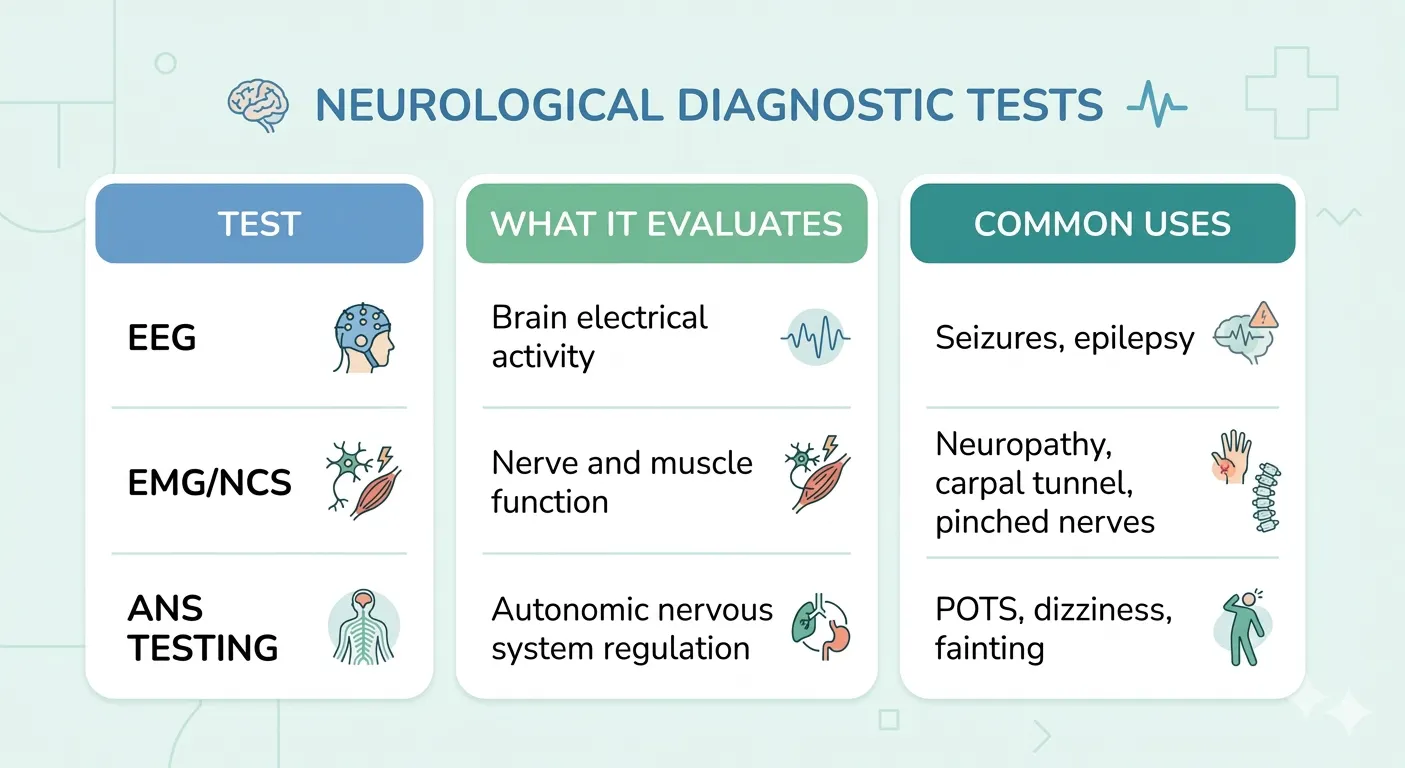
Each test provides unique insights into how the nervous system functions, helping neurologists determine the most effective treatment approach.
Your neurologist will determine which test, if any, is appropriate based on your symptoms, medical history, and examination.
When Might a Neurologist Recommend Neurodiagnostic Testing?
A neurologist may recommend neurodiagnostic testing when symptoms suggest a problem involving the brain, peripheral nerves, muscles, or autonomic nervous system. The appropriate test depends on your symptoms, medical history, and neurological evaluation.
- Seizures or unexplained loss of awareness: An EEG may be recommended to evaluate electrical activity in the brain.
- Numbness or tingling: EMG and nerve conduction studies may help evaluate peripheral nerve damage or compression.
- Muscle weakness: EMG/NCS may help determine whether symptoms are related to a nerve, muscle, or nerve root disorder.
- Fainting or unexplained dizziness: Autonomic testing may be considered when symptoms suggest abnormal regulation of heart rate, blood pressure, or other autonomic functions.
What to Expect During EEG, EMG, or Autonomic Testing
Neurodiagnostic tests are typically performed on an outpatient basis with little to no recovery time. Preparation and testing procedures vary depending on the type of study your neurologist recommends.
Preparing for an EEG
Before an EEG, you may be instructed to wash your hair and avoid using hair products such as gels, oils, or sprays. Depending on the type of EEG, you may also receive specific instructions about sleep, caffeine, food, or medications. Do not stop taking prescribed medications unless your healthcare provider specifically instructs you to do so.
Preparing for an EMG or Nerve Conduction Study
For an EMG or nerve conduction study, you may be asked to avoid applying lotions, creams, or oils to your skin on the day of testing. Tell your healthcare team about medications you take, implanted medical devices, bleeding disorders, or blood-thinning medications before the procedure.
Preparing for Autonomic Testing
Preparation for autonomic testing varies depending on the tests being performed. You may receive instructions about eating, drinking, caffeine, nicotine, exercise, or certain medications before your appointment. Follow the instructions provided by your healthcare team and do not stop prescribed medications unless directed to do so.
Insurance coverage for medically necessary neurodiagnostic testing varies by plan and may depend on referral or prior authorization requirements. Patients experiencing persistent neurological symptoms can schedule a neurology consultation to determine whether EEG, EMG/NCS, autonomic testing, or another diagnostic study may be appropriate.
The Neurologists Behind the Technology
Advanced diagnostic equipment is only part of the equation. Accurate neurological diagnosis also depends on expert interpretation by experienced physicians.
At CLS Health, board-certified neurologists work closely with neurodiagnostic technologists to ensure that each test is performed correctly and interpreted within the context of the patient’s clinical symptoms.
This collaborative approach allows physicians to:
- Identify the underlying cause of neurological symptoms
- Develop personalized treatment plans
- Coordinate care with other medical specialists when necessary
Neurodiagnostic Testing Locations in Greater Houston
CLS Health provides neurology evaluation and neurodiagnostic services at locations throughout Greater Houston, including Houston-area communities such as Sugar Land, Cypress, and Webster.
- Houston
- Sugar Land
- Cypress
- Webster
Why Early Neurological Evaluation Matters
Neurological symptoms can have many possible causes. Evaluation can help determine whether symptoms such as persistent numbness, weakness, dizziness, headaches, memory changes, fainting, or loss of awareness require neurodiagnostic testing or another type of evaluation.
Consider scheduling a neurology appointment for:
- Persistent numbness or tingling
- Muscle weakness
- Ongoing or unexplained headaches
- Balance problems or persistent dizziness
- New or concerning memory changes
- Episodes of fainting or loss of awareness
Your neurologist can evaluate your symptoms and determine whether EEG, EMG/NCS, autonomic testing, imaging, or another diagnostic approach may be appropriate.
FAQs
Referral requirements vary depending on your insurance plan and the reason for testing. EEG and EMG tests are typically ordered by a healthcare provider after evaluating your symptoms. Some insurance plans may also require a referral or prior authorization before testing. Contact your insurance provider or CLS Health to confirm requirements before your appointment.
An EEG (electroencephalogram) measures electrical activity in the brain and is commonly used to evaluate seizures and other abnormalities in brain activity. An EMG (electromyography) evaluates electrical activity in muscles and is often performed with nerve conduction studies to investigate symptoms such as numbness, tingling, weakness, or suspected nerve damage.
Testing time varies depending on the type and complexity of the study. A routine EEG often takes about 20–40 minutes to record, although the entire appointment may take longer for preparation and electrode placement. EMG and nerve conduction studies may take approximately 30–60 minutes or longer, depending on how many nerves and muscles need to be evaluated. Your healthcare team can provide more specific instructions when your test is scheduled.
Nerve conduction studies use brief electrical impulses that may cause temporary tingling or discomfort. During the needle portion of an EMG, a thin needle electrode is inserted into selected muscles, which may cause brief discomfort or soreness. Most patients are able to resume normal activities after testing.
Many insurance plans cover medically necessary EEG, EMG, nerve conduction studies, and other neurodiagnostic tests when ordered by a healthcare provider. Coverage varies by plan, and some tests may require a referral or prior authorization. Contact your insurance provider or CLS Health before testing to verify your benefits and any applicable requirements.
Schedule Neurological Testing in Houston
If you're experiencing seizures, unexplained numbness or weakness, dizziness, fainting, or other neurological symptoms, a neurology evaluation can help determine whether EEG, EMG/NCS, autonomic testing, or another diagnostic test is appropriate.
CLS Health neurologists provide comprehensive evaluation and access to advanced neurodiagnostic testing throughout the Greater Houston area.
Schedule your neurology evaluation today and take the first step toward clarity and relief.