
Key Takeaways
Pain management specialists are physicians with advanced training in diagnosing and treating chronic or complex pain, using personalized, evidence-based care.
They treat conditions such as back and neck pain, nerve pain, arthritis, migraines, and post-injury or post-surgical pain, often using a combination of medications, procedures, and rehabilitation.
The goal of pain management is to improve function, mobility, and quality of life—not just reduce pain—through coordinated, multidisciplinary treatment.
If you're living with ongoing pain, you're not alone. Chronic pain can interfere with sleep, work, movement, and overall quality of life. Whether it stems from an injury, arthritis, bulging discs, nerve damage, or conditions like fibromyalgia, persistent pain deserves thoughtful medical attention. That’s where a pain management specialist becomes an important part of your care.
Pain management specialists are physicians who have received advanced training in diagnosing and treating complex or chronic pain. Their goal is not simply to reduce pain scores, but to help you function better, move more comfortably, and improve day-to-day life through a personalized, evidence-based approach.
What Is a Pain Management Specialist?
A pain management specialist is a medical doctor who focuses on evaluating and treating chronic and complex pain conditions. Many have backgrounds in anesthesiology, neurology, or physical medicine and rehabilitation, with additional fellowship training in pain medicine.
They take a comprehensive, multidisciplinary approach that may include medications, targeted procedures, physical rehabilitation, and lifestyle-based strategies. Pain specialists often work closely with physical therapists, neurologists, orthopedic/neurosurgical specialists, and primary care providers to ensure coordinated, whole-person care.
What Pain Management Is — and Isn’t
Pain management specialists play a specific role within your healthcare team:
- They do not replace your primary care provider
- They do not typically perform major surgery
- They do not rely solely on opioid medications, and many focus on minimizing or avoiding long-term opioid use when possible
Instead, modern pain management emphasizes accurate diagnosis, conservative therapies, and interventional treatments designed to improve function—not just suppress symptoms.
What Conditions Do Pain Management Specialists Treat?
Pain specialists treat a wide range of chronic and persistent pain conditions, including:
- Low back and neck pain
- Sciatica or nerve compression
- Arthritis, bursitis, and tendonitis
- Diabetic neuropathy and peripheral nerve pain
- Migraines and chronic headaches
- Post-surgical or post-injury pain
- Fibromyalgia and myofascial pain
- Herniated discs and spinal stenosis
- Complex Regional Pain Syndrome (CRPS)
- Cancer-related pain
Some specialists also help manage facial pain, pelvic pain, or pain related to trauma or prior medical procedures.
Pain Management Treatments
Treatment plans are tailored to each individual based on their diagnosis, symptom severity, and personal goals. A pain management specialist may recommend one or more of the following:
Medications
Options may include nonsteroidal anti-inflammatory drugs (NSAIDs), nerve-targeting medications, or muscle relaxants. Medication choices are carefully tailored and regularly reviewed for effectiveness and safety.
Injections and Interventional Procedures
These may include epidural steroid injections, joint injections, regenerative injections (PRP), nerve blocks, or radiofrequency ablation to reduce inflammation or interrupt pain signaling.
Minimally Invasive Techniques
For certain spine-related conditions, procedures such as kyphoplasty, lumbar decompression, or percutaneous discectomy may be appropriate.
Neuromodulation
Advanced therapies, such as spinal cord stimulation or dorsal root ganglion stimulation, utilize electrical impulses to help block pain signals when other treatments are insufficient.
Physical Therapy and Lifestyle Support
Pain specialists often collaborate with physical therapists to improve strength, flexibility, posture, and movement patterns that support long-term relief.
Behavioral and Emotional Support
Because chronic pain affects both body and mind, counseling, cognitive-behavioral therapy, or mindfulness-based strategies may be recommended to support coping and resilience.
Assistive Tools
TENS units, braces, ergonomic modifications, or activity adjustments may help reduce strain and support daily function.
When Should You See a Pain Specialist?
You may benefit from pain management care if:
- Pain has lasted six weeks or longer
- Symptoms have not improved with conservative treatments or home care
- Pain interferes with sleep, work, or daily activities
- You want to explore options beyond medication or surgery
- You experience nerve-related symptoms such as tingling, numbness, weakness or shooting pain
- Pain continues after surgery or after an injury has otherwise healed
Early evaluation can help prevent pain from becoming more difficult to manage over time.
What to Expect at Your First Visit
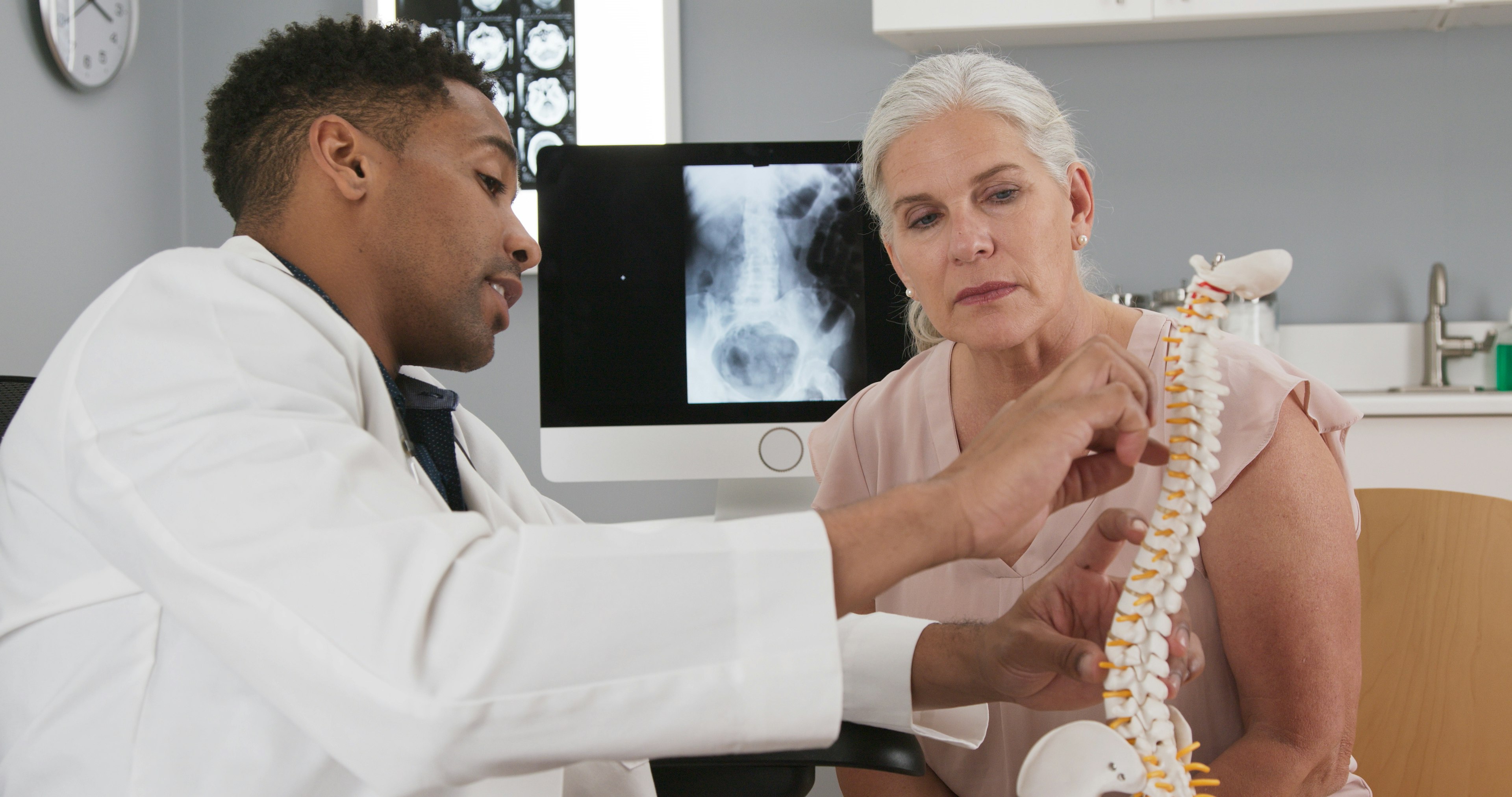
During your first appointment, the specialist will review your medical history, discuss your symptoms in detail, and perform a physical examination. Imaging studies—such as X-rays, MRI, or CT scans—may be reviewed or ordered to better understand the source of your pain.
Together, you and your provider will establish realistic goals, which may include improving mobility, returning to work, sleeping better, or increasing participation in daily activities. Pain relief is important, but success is often measured by improved function and quality of life.
Take the Next Step in Managing Chronic Pain
Chronic pain can affect every part of your life—movement, sleep, work, and time with family. You don’t have to manage it alone.
At CLS Health, our pain management specialists provide comprehensive evaluations and personalized treatment plans designed around your condition, goals, and lifestyle. Whether you’re dealing with back pain, joint pain, nerve pain, or post-surgical discomfort, expert care can help you regain function and improve quality of life.
With convenient pain clinic locations in Houston, Katy, Webster, Friendswood, Lake Jackson, Pasadena, Pearland, and Sugar Land, compassionate, coordinated care is close to home.
Schedule your pain management consultation today and take the first step toward better movement, better sleep, and better days.