Urogynecology and Reconstructive Pelvic Surgery
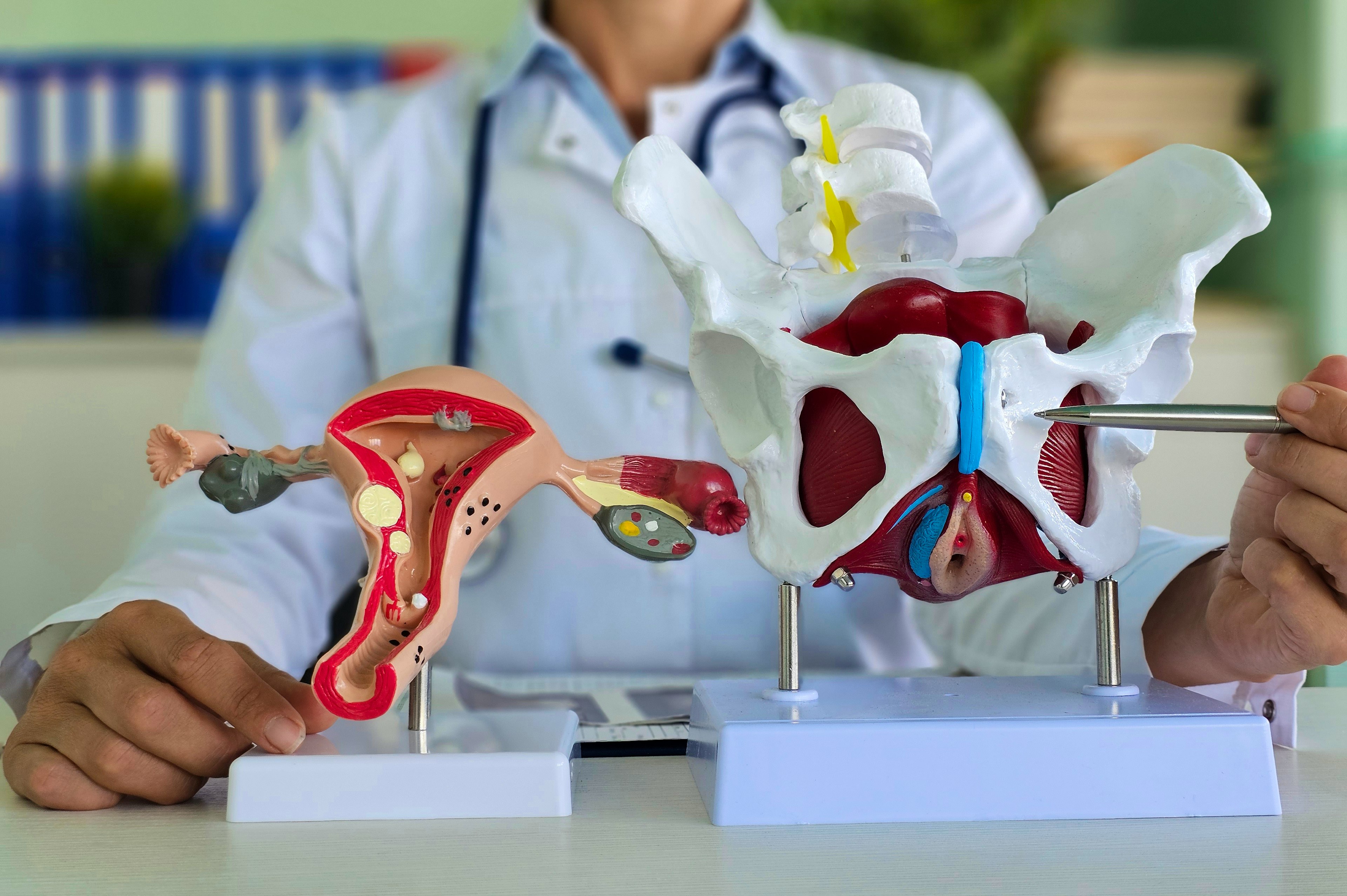
Specialized Care for Women's Pelvic Health
When pelvic floor conditions go untreated, they don’t just affect your body—they impact your confidence, comfort, and quality of life. Symptoms like bladder leakage, pelvic pressure, or chronic discomfort can disrupt daily routines, intimacy, sleep, and even the way you move through the world.
Many women tell us they waited too long to seek care, assuming these changes were a normal part of aging or “just something that happens after childbirth.” We want you to know this clearly: you don’t have to live with these symptoms, and you don’t have to push through them alone.
At CLS Health, our board-certified urogynecologist specializes in diagnosing and treating pelvic health conditions with compassion and clinical precision. From non-surgical therapy to advanced reconstructive and minimally invasive procedures, we create personalized care plans to help you restore comfort, confidence, and control.
Is it time to see a urogynecologist? Here’s how to know.
A urogynecologist is a pelvic health specialist trained to treat the muscles, organs, and connective tissues that support the bladder, vagina, uterus, and bowels—all areas that can be affected by childbirth, hormonal changes, aging, or injury.
- Urine or stool leakage — even in small amounts
- Constant urgency or frequent bathroom trips
- Difficulty making it to the restroom on time
- A sensation of pressure, heaviness, or pulling in the pelvis
- The feeling that something is bulging, dropping, or “falling out” vaginally
These symptoms are common, but they are not something you have to simply live with. Solutions exist, and relief is possible.
Understanding Pelvic Floor Disorders and How We Can Help
Pelvic floor disorders are more common than many people realize. According to the American Urogynecologic Society, one in three women will experience one during her lifetime. The good news is that nearly all pelvic floor problems can be corrected through behavioral therapy, physical therapy, medication, or surgery.
Many patients find lasting relief through minimally invasive outpatient procedures — meaning less discomfort, less scarring, and faster recovery times.
At CLS Health’s Urogynecology and Reconstructive Pelvic Surgery (URPS) Clinic, we offer both surgical and non-surgical treatments tailored to each patient’s needs, delivered with compassion and expertise.
Pelvic Floor Specialist

Urogynecology

Conditions Treated
We treat bladder control issues like stress urinary incontinence (leakage from coughing, sneezing, or exercise), overactive bladder (sudden urgency with or without leakage), and mixed incontinence. These symptoms can disrupt daily life, sleep, and confidence, but effective treatments are available. Our options include behavioral therapy, pelvic floor rehabilitation, bladder retraining, medication, and advanced outpatient procedures to restore control and improve quality of life.
Pelvic floor dysfunction and vaginal laxity are often linked to childbirth, aging, or chronic straining, and can lead to pelvic pressure, discomfort, reduced sensation, urinary leakage, or difficulty fully emptying the bladder or bowels. We help restore strength, support, and function with pelvic floor physical therapy, lifestyle guidance, and procedure-based options when appropriate. Our approach focuses on relieving symptoms while improving long-term pelvic health and quality of life.
If you're experiencing frequent UTIs, burning, urgency, or chronic bladder pain, we evaluate for underlying causes such as incomplete bladder emptying, pelvic floor dysfunction, or interstitial cystitis (painful bladder syndrome)—a condition often mistaken for recurrent infections. Our goal is to uncover the root cause using targeted testing and offer relief through infection prevention plans, bladder-soothing therapies, pelvic floor treatment, and long-term symptom management strategies.
At CLS Health, we diagnose and treat pelvic organ prolapse, including bladder (cystocele), rectal (rectocele), and uterine prolapse, which occur when weakened pelvic muscles cause organs to drop into the vaginal canal. Common symptoms include pelvic pressure, a bulge sensation, urinary leakage, or difficulty with bowel movements. We create personalized care plans that may include pelvic floor therapy, lifestyle strategies, pessary fittings, or minimally invasive surgical options when needed.
We care for patients with gynecologic conditions that impact bladder, bowel, and pelvic function, including uterine fibroids, chronic pelvic pain, scar tissue (adhesions), and post-surgical complications. Fibroids, for example, can cause heavy bleeding, pressure, urinary frequency, and pelvic discomfort. Our urogynecology team provides advanced evaluation and a full range of treatment options tailored to your symptoms and lifestyle, from conservative care to procedure-based solutions when needed.
Diagnostic Testing
Our comprehensive urine testing includes urinalysis, cultures, and specialized studies to detect infection, inflammation, blood, or abnormal cells. These tests help us pinpoint the cause of symptoms like burning, urgency, pelvic discomfort, or recurrent infections. Accurate testing ensures your care plan targets the true source of your symptoms.
We offer quick, in-office cystoscopy using a tiny camera to examine the bladder and urethra. This minimally invasive test helps us identify the causes of bladder pain, frequent UTIs, interstitial cystitis, blood in the urine, and structural abnormalities. It provides real-time answers so we can move faster toward an effective treatment plan.
Urodynamic testing allows us to measure how well your bladder fills, holds, and releases urine. This evaluation helps diagnose conditions like overactive bladder, stress incontinence, urinary urgency, or incomplete bladder emptying. The results guide us in selecting the right therapies to restore control and comfort.
For many patients with pelvic organ prolapse or bladder leakage, a pessary offers relief without surgery. We custom-fit this small, removable device to support pelvic organs, reduce pressure, and improve daily comfort. It’s a safe, effective option for symptom management, especially for patients seeking non-invasive care.
Treatments & Procedures
At CLS Health, we offer comprehensive care for bladder leakage and overactive bladder, including stress, urge, and mixed incontinence. Our treatment options range from pelvic floor therapy and medications to advanced solutions such as mid-urethral sling procedures, urethral bulking injections, and bladder Botox® to reduce urgency and leakage. We also provide neuromodulation therapies like InterStim and PTNS to help regulate bladder signaling and restore control.
Our goal is to help you regain confidence and comfort in daily life with the least disruptive, most effective treatment path.
We treat pelvic organ prolapse (bladder, rectal, small bowel, or vaginal apex) when weakened support tissues cause bulging, pressure, or pelvic discomfort. Our reconstructive options include cystocele, rectocele, enterocele repair, vaginal vault suspension, and sacrocolpopexy to restore support and function. Many procedures can be performed with minimally invasive or robotic techniques to reduce pain and recovery time.
We focus on lasting repair while preserving quality of life and pelvic function.
We provide non-surgical and restorative care to strengthen pelvic muscles, improve vaginal tone, and enhance daily comfort after childbirth, aging, or injury. Our treatments include pelvic floor physical therapy, perineorrhaphy (muscle repair), and vaginal rejuvenation procedures to address laxity, discomfort, or reduced sensation. We take a personalized, functional approach to help improve bladder support, intimacy comfort, and pelvic core strength.
These therapies are ideal for patients seeking proactive, non-invasive solutions.
For complex gynecologic and urogynecologic conditions, we offer advanced minimally invasive and robotic surgical options. These include vaginal hysterectomy, robotic hysterectomy, and tailored surgical approaches for fibroids, endometriosis, and chronic pelvic pain. Our robotic and laparoscopic techniques are designed to reduce scarring, discomfort, and recovery time while improving surgical precision.
We prioritize options that support faster healing and long-term symptom relief.
For patients experiencing pain, discomfort, or complications from previously placed vaginal mesh, we offer specialized mesh removal or revision procedures. Our team safely evaluates and addresses mesh-related symptoms, including pelvic pain, erosion, infection, or functional complications. We develop individualized surgical plans to restore comfort and pelvic health while minimizing risk and recovery time.
Your safety, relief, and long-term well-being guide every decision we make.
Don't see your insurance listed? We may still accept it! CLS Health updates accepted insurance plans regularly. Please call (281) 724-1860 to verify your coverage.
- Aetna Select
- Open Access Selects
- Elect Choice
- Aetna Open Access Elect Choice
- Aetna Choice POS II
- Managed Choice
- Open Choice PPO
- Aetna Medicare Advantage Plans
CLS Health does not accept:
- Aetna CVS Marketplace Plans
* Some providers may not accept this insurance, please call to confirm.
- Superior Ambetter Core (Complete, Clear, Focused, Standard Silver and Gold)
- Superior Ambetter Value (Clear Value Silver, Focused Value Silver, CMS Standard Silver & Gold Value, Everyday Value Gold)
- Superior Ambetter Virtual (Ambetter Virtual Access Silver, CMS Standard Virtual Access Basic Silver, Ambetter Virtual Access Gold)
- Superior Health Plan CHIP*
- Superior Health Plan MAPD (Medicare Advantage Prescription Drug)
- Superior Health Plan Medicare
- Superior Health Plan MMP Medicaid*
- Superior Health Plan MMP Medicare
- Superior Health Plan STAR*
- Superior Health Plan STAR Kids*
- Superior Health Plan STAR+PLUS*
CLS Health participates in most Blue Cross Blue Shield plans including:
- Blue Choice PPO
- Blue Essentials
- Blue Essentials Access
- HealthSelect
- HealthSelect of Texas In Area
- Consumer Directed HealthSelect in Area
- HealthSelect of Texas Out of State
- Consumer Directed Health Select Out of State
- HealthSelect Secondary 65+
- Medicare Advantage HMO
- Medicare Advantage PPO
- Medicare Advantage Value HMO
- POS
- Traditional/Par Plan
- TRS-Active Care
- TRS-Care Standard
- BCBS MyBlue Health (Marketplace)
*Some providers may not accept Community Health Choice, please call to confirm.
- MarketplacePremier
- Medicaid*CHIPCHIP PerinateSTAR
- Medicare AdvantageDual-Special Needs Plan (D-SNP)
- ChoiceCare PPO
- EPO
- HMO
- HMO Premier
- Medicare Advantage Plans
- HumanaChoice - Medicare Advantage PPO plan
- Humana Gold Choice - Medicare Advantage Private Fee-for-Service (PFFS) plan
- Human Gold Plus - Medicare Advantage HMO & Special Needs Plan
- Military (TRICARE South Region Military Health Plan)
- POS - including Choice POS, National POS Open Access/Plus and Preferred POS Open Access.
- PPO
*Some providers may not accept United Healthcare, please call to confirm.
- Commercial, HMO, POS, EPO and PPO Plans (Charter, Choice,Core, Doctors Plan, Freedon, Heritage, Navigate, Nexus ACO, Options PPO, Passport Connect, Select)
- Indemnity
- Medicare Advantage (AARP, Care Improvement Plus, C-SNP, D-SNP, I-SNP, Erickson Advantage, ERS Medicare Advantage, TRS-Care Medicare Advantage, UnitedHealthcare Chronic Complete, UnitedHealthcare Connected (Medicare-Medicaid Plan), UnitedHealthcare Dual Complete, UnitedHealthcare Group Medicare Advantage PPO, United Healthcare Medicare Complete)
- Community Plans* (CHIP, CHIP Perinate, Star, Star Kids, Star Plus, MMP)
- Wellmed (Wellmed Dual SNP Focus, Wellmed Medicare Advantage Focus)
*Some providers may not accept Wellpoint, please call to confirm.
- Medicaid (All Texas Plans Including the Below)*
- CHIP
- CHIP Perinate
- STAR
- STAR+PLUS
- STAR Kids
- Medicare Advantage
- C-SNP
- D-SNP
- I-SNP
- Medicare Advantage HMO
- Medicare-Medicaid (MMP)
- Medicare-Medicaid Program (MMP)
- STAR+PLUS MMP
*Some providers may not accept insurance, please call to confirm.
PPO Networks
- Beechstreet PPO
- Carnival Cruise Lines PPO
- Envolve Benefit Options Vision-PPO, HMO
- First Health
- Curative/First Health
- Galaxy Health Network
- HealthSmart Preferred Care
- Accel
- Healthsmart Payors Organization
- Multiplan PPO
- Tricare (Humana) PPO/Prime
Employer-Specific Plans
- Brazoria County Employees – Aetna TPA Brazoria County Employees
Workers’ Compensation Plans
- Workers’ Comp
- Auto & Workers’ Comp
Medicare and Medicare Advantage
- Medicare Traditional
- Medicare Advantage
- Memorial Hermann Health Solutions Commercial and Medicare
- Molina Medicare Complete Care HMO SNP
- Medicare-Medicaid Program (MMP)
- STAR+PLUS MMP
- Alignment Health Plan
- AllyAlign Health
- American Health Plans
- Florida Complete Care
- Gold Kidney Health Plan
- Imperial Health
- Independent Health
- Kaiser Foundation Health Plan of Washington
- Kaiser Foundation Health Plan of Colorado
- Mass Advantage
- Presbyterian Health Plan
- PriorityHealth
- Provider Partners
- SCAN
- UCare
- Vantage Health Plan
- Verda Healthcare
- Zing Health
Medicaid and CHIP Programs
- Molina Healthcare* (Marketplace, Medicaid, CHIP, CHIP Perinate, STAR, STAR Kids, STAR+PLUS)
- Texas Children's Health Plans*
- TMHP (Traditional Medicaid) Traditional Medicaid
Specialty Plans
- VA Community Cares Network CCN
FAQs
Pelvic organ prolapse happens when the muscles and tissues that support the pelvic organs become weak or stretched, causing one or more organs to drop or press into the vaginal area.
- The pelvic floor normally holds up the bladder, uterus, vagina, and rectum. When its support weakens—often after childbirth, surgery, or menopause—these organs can shift from their usual position.
- In more advanced cases, you may feel pressure, notice a bulge, or see tissue at the vaginal opening. This tissue usually comes from the vaginal walls, cervix, or uterus.
Several factors can increase your risk of pelvic organ prolapse (POP):
- Pregnancy and vaginal delivery—especially when forceps or vacuum assistance are used—can stretch or weaken the pelvic floor muscles.
- Genetics also play a role. Some women naturally have weaker connective tissues, and prolapse is more common among Caucasian women.
- Other contributors include smoking, obesity, menopause, hysterectomy, and any condition that increases pressure in the abdomen, such as chronic coughing or constipation. Repeated heavy lifting can also strain the pelvic floor over time.
Talk with your doctor about simple ways to strengthen and protect your pelvic floor to help prevent or manage prolapse.
A urogynecologist can diagnose pelvic organ prolapse (POP) through a pelvic exam and a review of your symptoms. In some cases, tests such as bladder function studies (urodynamics) or a cystoscopy may be used to check how well the bladder and pelvic organs are supported.
Treatment depends on the severity of symptoms and your personal goals. Many women find relief with non-surgical options such as pelvic floor exercises, physical therapy, or a pessary device for support. If surgery is needed, advanced vaginal or robotic-assisted prolapse repair can restore normal anatomy and comfort with minimal downtime.
A pessary is a small, soft medical device placed inside the vagina to help support the pelvic organs and relieve symptoms of prolapse or bladder leakage.
- It’s a simple, non-surgical option that can make daily activities more comfortable.
- Your provider will custom-fit the pessary for your body and show you how to insert, remove, and care for it safely.
Surgical options such as vaginal or robotic hysterectomy, sacrocolpopexy, vaginal vault suspension, and pelvic floor reconstruction can restore pelvic support and relieve prolapse symptoms.
These procedures use minimally invasive or robotic techniques to improve comfort, reduce recovery time, and help you return to daily activities more quickly.
Treatment depends on the type and severity of urinary incontinence, but most people find relief through personalized care.
Options may include lifestyle changes, pelvic floor exercises, medications, supportive devices, minimally invasive procedures, or surgery when needed.
Your provider will work with you to find the approach that best restores bladder control and confidence.
Interstitial cystitis (IC), also called painful bladder syndrome, is a long-term condition that causes bladder pressure, pelvic pain, and frequent urges to urinate—even when no infection is present.
While there’s no single cure, many patients find relief through a combination of dietary changes, bladder retraining, medications, and bladder instillation treatments that soothe the bladder lining and reduce irritation.
While not every case can be prevented, there are steps you can take to lower your risk.
Maintaining a healthy weight, avoiding chronic straining or heavy lifting, quitting smoking, and regularly practicing pelvic floor exercises (Kegels) can all help strengthen and protect pelvic support.