

If loud snoring, daytime fatigue, or pauses in breathing during sleep have you concerned about sleep apnea, an evaluation can help you understand what’s happening and what to do next.
At CLS Health Primary Care — Cypress, board-certified primary care physician Khaled Attia, MD, evaluates and manages patients with suspected or diagnosed sleep apnea. Depending on your symptoms and health history, your care may include sleep testing, treatment guidance, ongoing primary care management, or a referral to a Sleep Medicine specialist for additional evaluation.
What Is Sleep Apnea?
Sleep apnea is a sleep disorder that causes breathing to repeatedly stop or decrease during sleep. Obstructive sleep apnea (OSA), the most common type, occurs when the airway becomes partially or completely blocked.
These breathing interruptions can disrupt your sleep and affect your oxygen levels. Without appropriate treatment, sleep apnea may also contribute to other health concerns. Identifying the condition can help you and your physician determine the right next steps for your sleep and overall health.
Signs You Should Talk to Your Doctor About Sleep Apnea
Sleep apnea symptoms can occur while you’re asleep or affect how you feel during the day. Talk with your physician if you regularly experience:
- Loud or persistent snoring
- Gasping or choking during sleep
- Pauses in breathing noticed by a partner or family member
- Excessive daytime sleepiness
- Morning headaches
- Difficulty concentrating
- Frequent nighttime awakenings
- Waking with a dry mouth
Certain factors may also increase your risk of obstructive sleep apnea, including obesity, age, family history, and anatomical features that affect the airway. Sleep apnea is also associated with health conditions such as high blood pressure and Type 2 diabetes.
How Is Sleep Apnea Evaluated in Primary Care?

Your sleep apnea evaluation starts with a conversation about your symptoms, sleep patterns, medical history, and overall health. This helps Dr. Attia determine whether sleep testing, treatment guidance, or referral to Sleep Medicine may be appropriate.
1. Review Your Symptoms
Dr. Attia will ask about concerns such as loud snoring, pauses in breathing, gasping during sleep, daytime sleepiness, morning headaches, and how well you’re sleeping.
2. Review Your Medical History
Your evaluation may include a review of medications, existing health conditions, weight, blood pressure, family history, and other factors that may affect your risk for sleep apnea.
3. Determine Next Steps
Based on your symptoms and medical history, Dr. Attia can help determine whether you may need a sleep study, treatment guidance, follow-up care, or a referral to a Sleep Medicine specialist.
Sleep Apnea Testing Options

If your symptoms and medical history suggest sleep apnea, a sleep study may be recommended. The appropriate type of testing depends on your symptoms, overall health, and the type of sleep disorder being evaluated.
Home Sleep Apnea Testing
A home sleep apnea test is a portable test you complete while sleeping at home. It records breathing and other information that can help evaluate certain adults for obstructive sleep apnea.
Home testing is not appropriate for everyone. Your physician can help determine whether it is an appropriate option based on your health and symptoms.
In-Lab Sleep Studies
An in-lab sleep study provides more comprehensive overnight monitoring at a sleep center. It may be recommended based on your symptoms, medical history, previous test results, or the type of sleep disorder your physician suspects.
In-lab sleep studies are not performed at the Cypress primary care clinic. If you need more comprehensive testing or specialized evaluation, Dr. Attia can help coordinate a referral to Sleep Medicine.
What Happens After a Sleep Study?
Your sleep study results can help determine whether sleep apnea was identified and provide information about its severity and other findings.
Depending on your results, the next steps may include lifestyle changes, treatment, additional testing, or specialized care. Dr. Attia can help you understand your results and coordinate appropriate follow-up based on your needs.
How Is Sleep Apnea Treated?
Sleep apnea treatment depends on the type and severity of the condition, your sleep study results, other health conditions, and your individual needs.
Treatment may include:
- Positive airway pressure therapy, such as CPAP
- Lifestyle changes
- Weight management when appropriate
- Oral appliance therapy
- Other specialized treatments when appropriate
Dr. Attia can help you understand your diagnosis, address related health concerns, and coordinate with Sleep Medicine or other specialists when specialized treatment is needed.
Managing Sleep Apnea Through Primary Care
Sleeping is connected to your overall health. Primary care can help keep those pieces connected instead of treating sleep apnea as an isolated concern.
Your primary care physician can support your care by:
- Identifying sleep apnea symptoms and risk factors
- Coordinating appropriate sleep testing
- Reviewing sleep concerns alongside your overall health
- Managing related conditions such as high blood pressure, diabetes, or obesity
- Supporting lifestyle and weight-management goals
- Monitoring your overall health over time
- Coordinating with Sleep Medicine and other specialists when needed
When Should You See a Sleep Medicine Specialist?
Primary care can be an appropriate starting point when you have symptoms of obstructive sleep apnea. In some cases, more specialized evaluation or treatment may be needed.
A Sleep Medicine referral may be appropriate if you have:
- Complex or unclear sleep symptoms
- Signs of a sleep disorder other than obstructive sleep apnea
- Persistent symptoms after inconclusive testing
- Certain underlying medical conditions
- Symptoms that continue despite treatment
- Specialized sleep apnea treatment needs
Located in Webster, CLS Health Sleep Medicine — Clear Lake provides specialized sleep medicine evaluation and sleep testing for patients who need additional care.
Why Choose CLS Health for Sleep Apnea Care in Cypress?
CLS Health provides convenient sleep apnea evaluation while keeping your sleep health connected to your overall medical care.
Patients can access:
- Evaluation by a board-certified primary care physician
- Sleep apnea evaluation in Cypress
- Coordination of sleep testing when appropriate
- Ongoing management of related health concerns, such as high blood pressure, diabetes, or weight
- Access to CLS Health Sleep Medicine specialists when needed
- Coordinated referrals within a physician-led, multispecialty medical group
- Acceptance of most major insurance plans
As a physician-led, multispecialty medical group, CLS Health can coordinate your sleep apnea care with Sleep Medicine and other specialists when additional evaluation or treatment is needed.
Meet Khaled Attia, MD
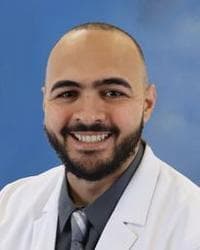
Khaled Attia, MD is a board-certified primary care physician who provides sleep apnea evaluation and management at CLS Health Primary Care — Cypress. Dr. Attia evaluates patients with possible sleep apnea and helps coordinate appropriate testing, treatment, and specialty care based on each patient’s needs.
Sleep Apnea Evaluation in Cypress, TX
CLS Health Primary Care — Cypress provides convenient sleep apnea evaluations for patients in Cypress and surrounding Northwest Houston communities.
CLS Health Primary Care — Cypress
9645 Barker Cypress Road, Suite 100
Cypress, TX 77433
Areas served include Cypress, Bridgeland, Towne Lake, Fairfield, Copperfield, North Cypress, Northwest Houston, and Katy-area communities.
FAQs
Yes. A primary care physician can evaluate your symptoms, medical history, risk factors, and overall health to determine whether sleep apnea may be a concern. If appropriate, your physician can help coordinate sleep testing or refer you to a Sleep Medicine specialist.
A sleep study may be recommended if your symptoms and health history suggest sleep apnea or another sleep disorder. Symptoms such as loud snoring, witnessed pauses in breathing, gasping during sleep, and excessive daytime sleepiness are important to discuss with your physician.
Some adults with suspected obstructive sleep apnea may be candidates for home sleep apnea testing. Home testing is not appropriate for every patient or every type of sleep disorder, so your physician can help determine which type of testing is appropriate for you.
You may need a Sleep Medicine specialist if your symptoms are complex, another sleep disorder is suspected, testing is inconclusive, symptoms continue despite treatment, or you need specialized sleep apnea care.
Your physician will use your test results, including the type and severity of sleep apnea identified, to help determine appropriate next steps. Recommendations may include treatment, lifestyle changes, additional testing, follow-up care, or referral to a Sleep Medicine specialist.
Coverage for sleep apnea testing varies by insurance plan, type of test, and medical necessity requirements. Contact your insurance company to confirm your specific benefits and whether a referral or prior authorization is required.
Schedule a Sleep Apnea Evaluation in Cypress
If you’re experiencing loud snoring, daytime fatigue, witnessed pauses in breathing, or other signs of sleep apnea, an evaluation can help you determine your next step. Dr. Khaled Attia can assess your symptoms and help determine whether sleep testing, treatment, or specialized Sleep Medicine care is appropriate.
Book with Dr. Attia
Primary Care