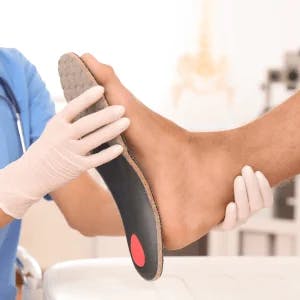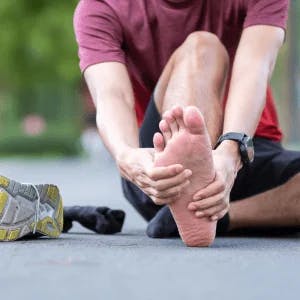
Flat feet, also called fallen arches, don't always cause problems. However, some adults experience foot fatigue, arch discomfort, or ankle pain, especially when walking or standing for long periods.
As a podiatrist, I often help patients find supportive footwear that improves comfort and accommodates their foot structure. The right shoes can make everyday activities more comfortable, but the best option depends on your symptoms, activity level, and how your feet move.
This guide covers five supportive shoes for flat feet, what features to look for, and when to consider additional support from a podiatrist.
Key Takeaways
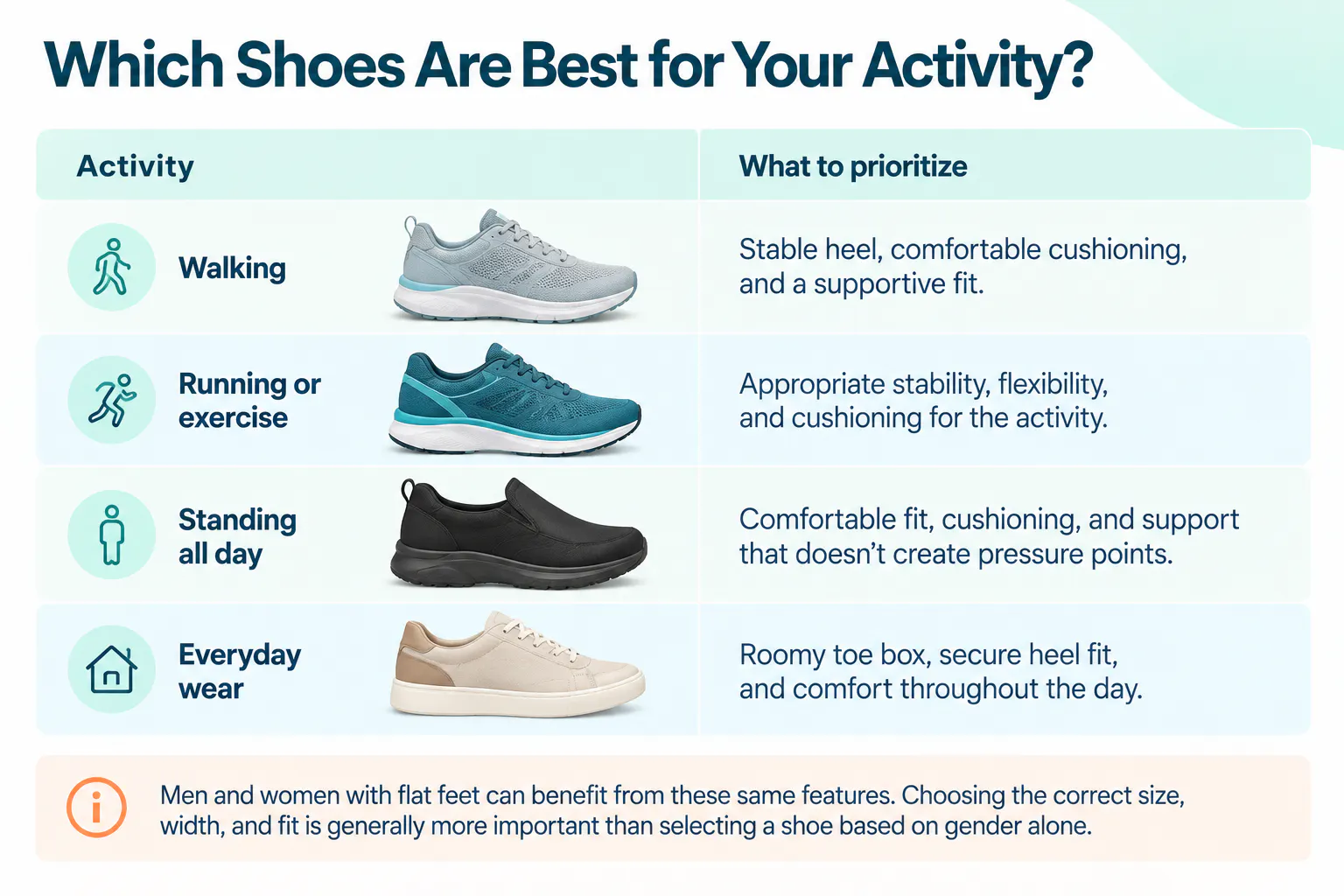
The best shoes for flat feet generally provide a comfortable fit, appropriate arch support, a stable heel, and enough cushioning for your daily activities.
Walking shoes and supportive sneakers may help reduce discomfort, but the right choice depends on your foot shape, activity level, and whether you overpronate.
Not everyone with flat feet needs special shoes or orthotics. If you experience persistent pain or difficulty walking, a podiatrist can help identify the cause and recommend treatment.
Understanding Flat Feet

Flat feet, also called fallen arches, occur when the arches of one or both feet are low or flatten against the ground while standing. Some people naturally have flat feet without pain, while others develop changes in their arches over time.
Flat feet may be associated with overpronation, when the foot rolls inward excessively during walking. In some people, this can contribute to foot fatigue, ankle discomfort, or pain during prolonged activity.
Flat feet may be flexible, meaning an arch appears when you're not standing, or rigid, meaning the arch remains flattened.
What to Look for in Shoes for Flat Feet
- Arch Support: Supports the midfoot and may improve comfort, especially when flat feet cause symptoms.
- Firm Midsole: Helps limit excessive foot motion without making the shoe uncomfortably rigid.
- Wide Toe Box: Gives toes space to move and reduces pressure on bunions or other sensitive areas.
- Cushioning: Helps absorb impact and improves comfort during walking or prolonged standing.
- Heel Stability: A supportive heel counter may help improve rearfoot stability.
Top 5 Shoes for Flat Feet
The best shoes for flat feet depend on your foot shape, activity level, and whether you experience pain or excessive inward rolling of the foot. The following options offer different combinations of stability, cushioning, and support. No single shoe is best for everyone.
1. Brooks Addiction Walker 2
The Brooks Addiction Walker 2 is a supportive walking shoe designed for everyday use. Its structured support system helps guide foot motion, while cushioning and a durable upper make it an option for adults who spend extended periods on their feet.
2. New Balance 847v4
The New Balance 847v4 is designed for walking and incorporates rearfoot stability features. It may appeal to adults seeking a supportive walking shoe, particularly when additional motion control is preferred.
3. Vionic Walker Classic
The Vionic Walker Classic features a supportive footbed and heel cup. It may be suitable for people who prefer structured arch support during everyday walking.
4. Asics GT-2000 15
The ASICS GT-2000 15 is a stability-oriented athletic shoe designed for running and walking. It may be worth considering for active adults who prefer a supportive sneaker rather than a traditional walking shoe.
5. Hoka Gaviota 6
The HOKA Gaviota 6 combines substantial cushioning with stability-focused construction. It may appeal to people who prefer a cushioned athletic shoe for walking or extended daily activity.
Bonus Tips for Flat Foot Support
- Consider supportive insoles or orthotics if recommended by your podiatrist.
- Limit unsupportive footwear if it contributes to pain or fatigue.
- Stretch your calves and Achilles tendons when appropriate for your symptoms.
- Choose supportive indoor footwear if walking barefoot causes discomfort.
Not everyone with flat feet needs orthotics or specialized shoes.
When Should You See a Podiatrist for Flat Feet?
Flat feet don't always require treatment. However, consider seeing a podiatrist if you experience persistent foot or ankle pain, swelling, difficulty walking, or changes in your arch shape.
A podiatrist can evaluate your foot structure and walking pattern to determine whether supportive footwear, orthotics, physical therapy, or other treatment may help. New or worsening flattening of one foot, especially with pain or swelling, should also be evaluated.
FAQs
The best shoes for flat feet offer a comfortable fit, appropriate arch support, heel stability, and cushioning. The right choice depends on your foot structure, symptoms, and daily activities.
Both can provide support. Walking shoes may be better suited to everyday activities, while stability-oriented running shoes may be appropriate for exercise. Choose footwear based on comfort, fit, and intended use.
Not always. Many people with flat feet have no symptoms and don't require special footwear. Arch support may help improve comfort for those experiencing foot fatigue or pain.
Avoid shoes that consistently cause discomfort or lack the support you need. Very flexible, poorly fitting, or worn-out footwear may aggravate symptoms in some people.
Supportive shoes may improve comfort and help manage symptoms, but they generally do not permanently correct flat feet in adults. A podiatrist can recommend additional treatment when necessary.
Find Support for Flat Feet at CLS Health
The right footwear can make walking, exercising, and everyday activities more comfortable. However, persistent foot or ankle pain may require more than supportive shoes.
At CLS Health, our podiatrists can evaluate your foot structure, identify the cause of discomfort, and recommend personalized treatment options, including footwear guidance and orthotics when appropriate.
Schedule an appointment today for a personalized evaluation and treatment recommendations for flat feet.
Book with Dr. Canlas

Podiatry, Foot and Ankle Surgery