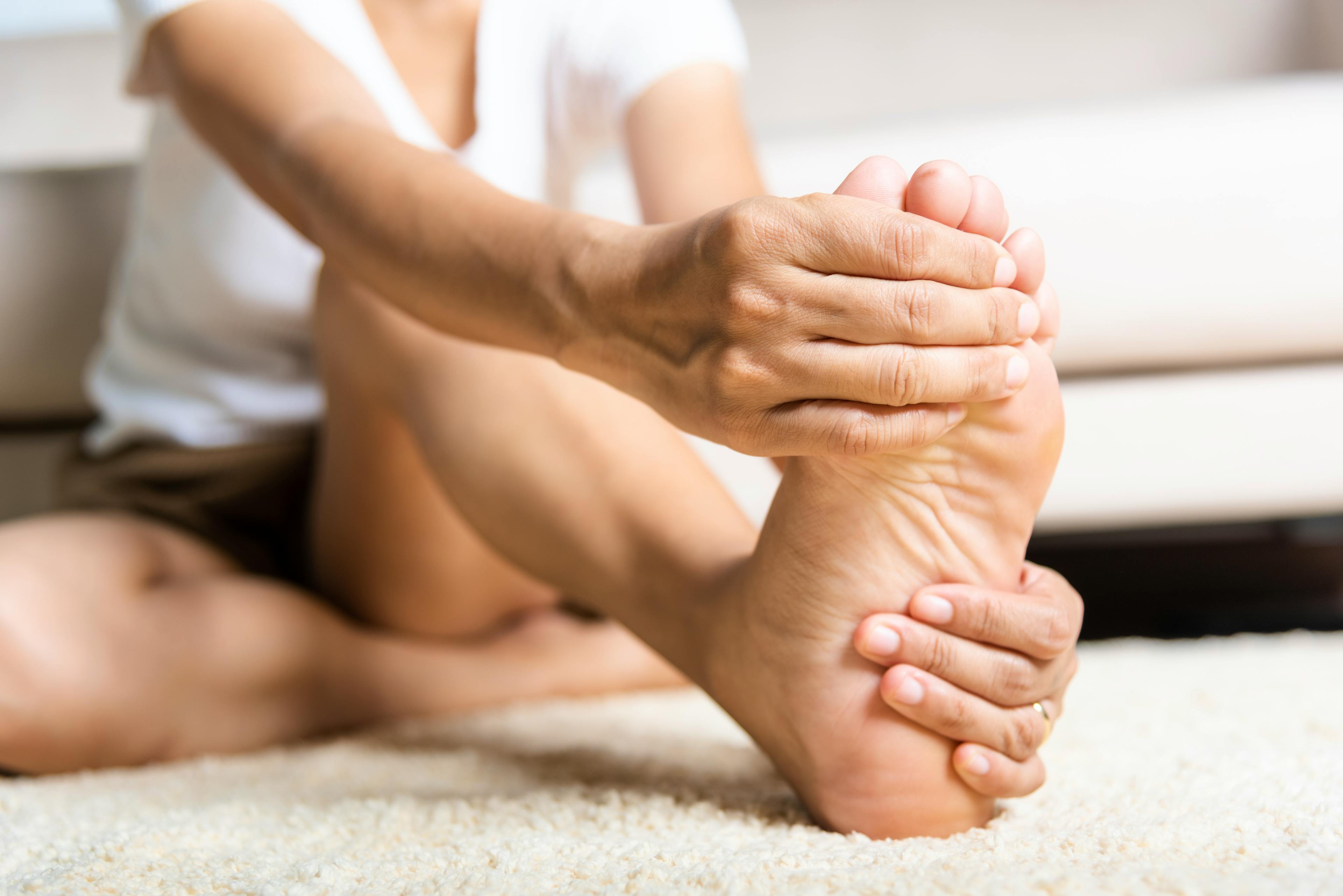

After a stroke, many patients experience burning, numbness, tingling, or altered sensation in the legs and feet. These symptoms may develop immediately or appear during the recovery process.
In some cases, discomfort is caused by central post-stroke pain, which occurs when the brain’s sensory pathways are disrupted by stroke injury. In other cases, weakness, immobility, or preexisting conditions such as diabetes may contribute to peripheral nerve dysfunction.
Distinguishing between central and peripheral causes is essential, because treatment strategies differ — and early rehabilitation can significantly influence recovery outcomes.
When sensation is impaired, balance, coordination, and walking safety are affected. That’s why neuropathy after stroke is not just a sensory issue — it is a functional recovery issue.
Why Neuropathy Matters in Stroke Recovery
Changes in sensation can:
- Increase fall risk
- Make walking uneven or unstable
- Slow progress in physical therapy
- Reduce confidence with mobility
- Increase the risk of pressure injuries or unnoticed foot wounds
After a stroke, the nervous system is already adapting. Sensory changes can interfere with motor relearning, balance retraining, and gait mechanics.
Addressing neuropathy early helps prevent secondary complications and supports safer, more efficient rehabilitation.
How PM&R Specialists Evaluate Post-Stroke Neuropathy
Physical Medicine & Rehabilitation (PM&R) physicians specialize in restoring function after neurologic injury.
During evaluation, a PM&R physician assesses:
- Muscle strength and motor control
- Sensory deficits (light touch, vibration, temperature)
- Gait mechanics and balance
- Spasticity and muscle tone
- Functional independence with transfers and daily activities
- Risk of falls
This comprehensive assessment helps determine whether symptoms stem from central post-stroke pain, peripheral nerve involvement, spasticity-related changes, or a combination of factors.
Neuro-Rehabilitation: Rebuilding Function Through Neuroplasticity
Stroke recovery depends on neuroplasticity — the brain’s ability to reorganize and form new neural connections.
Rehabilitation focuses on:
- Task-specific, repetitive movement training
- Gait retraining and balance stabilization
- Strength and coordination exercises
- Sensory re-education
- Functional mobility training
When neuropathy affects the legs and feet, therapy is adjusted to improve proprioception, enhance safety, and retrain movement patterns.
This approach helps restore walking efficiency, reduce fall risk, and promote greater independence.
The Role of Spasticity and Sensory Loss
Many stroke survivors experience both spasticity (increased muscle tone) and altered sensation.
Reduced sensation can worsen abnormal movement patterns, while spasticity can make walking more difficult and energy-consuming.
PM&R treatment may include:
- Spasticity management
- Bracing or orthotic support
- Neuromuscular re-education
- Medication for central post-stroke pain
- Coordination with therapy teams
Addressing both motor and sensory components is critical for meaningful recovery.
Home Strategies That Support Rehabilitation
Home care complements structured therapy but does not replace it.
Supportive strategies include:
Gentle Daily Movement
Following therapist-guided exercises helps maintain gains made during rehabilitation sessions.
Daily Foot Checks
If sensation is reduced, inspecting feet for cuts or pressure areas prevents complications.
Proper Footwear
Stable, well-fitting shoes improve balance and reduce fall risk.
Balanced Nutrition and Hydration
Adequate nutrition supports healing and nerve health during recovery.
These measures reinforce progress between therapy sessions.
When Inpatient Rehabilitation Is Recommended
Some stroke survivors benefit from structured inpatient rehabilitation, particularly if they:
- Have significant weakness or instability
- Cannot walk safely without assistance
- Require multiple therapy disciplines daily
- Have complex medical or neurologic needs
Inpatient rehabilitation typically involves several hours of therapy per day under physician supervision. Patients receive coordinated physical therapy, occupational therapy, and nursing care in a structured environment designed to accelerate recovery.
This level of care allows for:
- Intensive mobility retraining
- Close monitoring of neurologic changes
- Spasticity management
- Fall prevention strategies
- Functional independence training
Early transition to inpatient rehabilitation, when appropriate, is associated with improved mobility outcomes and greater long-term independence.
When to Seek PM&R Evaluation
Schedule a rehabilitation consultation if you notice:
- Increased instability while walking
- Frequent near-falls or loss of balance
- Worsening numbness or burning pain
- Difficulty progressing in therapy
- New stiffness or spasticity in the legs
- Reduced confidence with mobility
Early rehabilitation intervention can prevent setbacks and improve long-term recovery potential.
Post-Stroke Neuropathy Care in Houston
At CLS Health, our PM&R physicians specialize in stroke recovery and comprehensive neuro-rehabilitation. We evaluate sensory changes, mobility challenges, and spasticity to determine the most effective rehabilitation pathway — including whether inpatient rehabilitation is appropriate.
If you or a loved one is experiencing neuropathy symptoms after a stroke, timely evaluation can significantly influence recovery and independence.
Schedule a post-stroke rehabilitation consultation today to begin a personalized recovery plan.