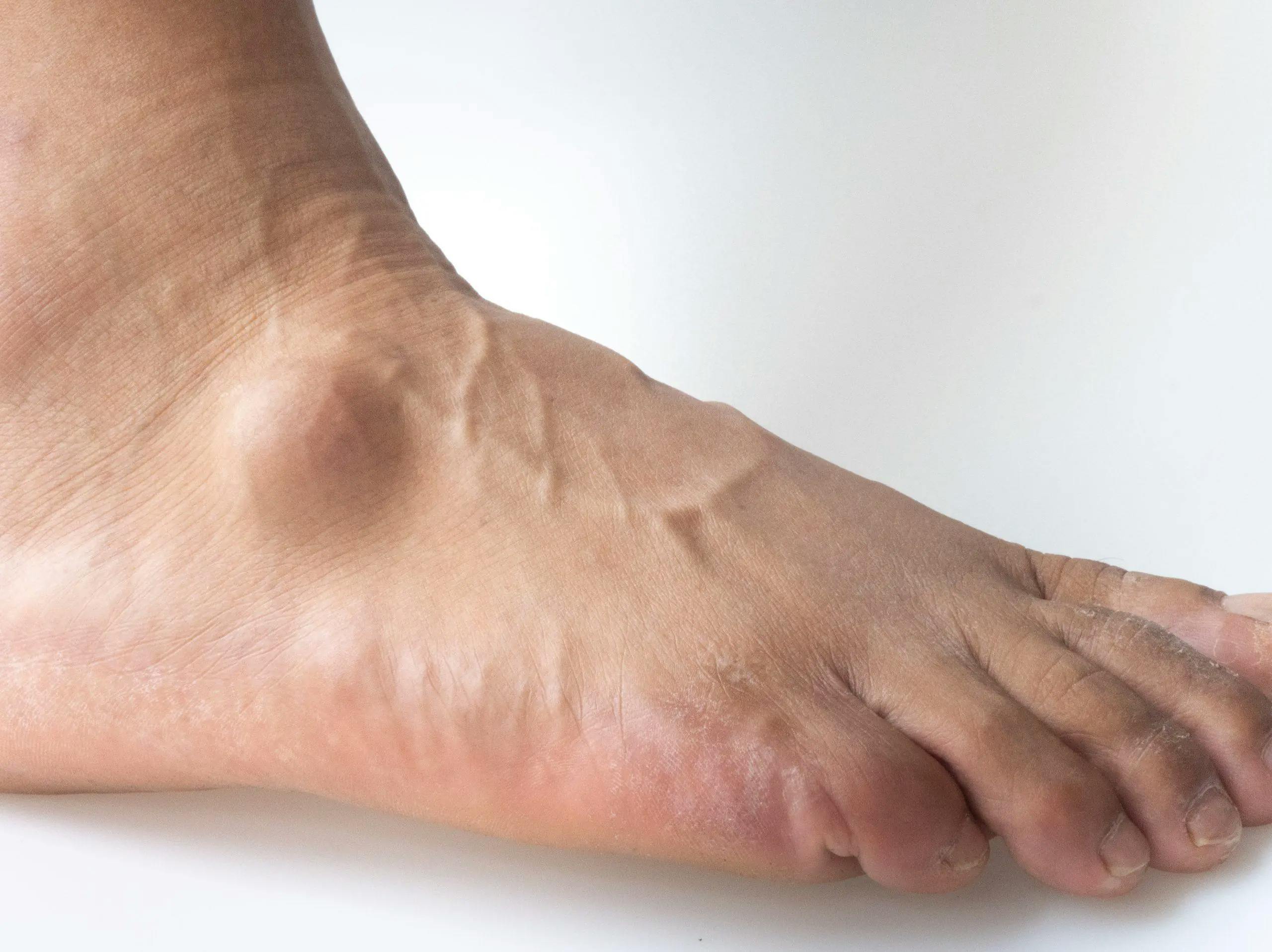

Quick Facts: Can Plantar Fasciitis Cause Ankle Pain?
Plantar fasciitis can indirectly cause ankle pain due to changes in walking patterns (gait compensation) that place extra stress on the ankle and surrounding tissues.
Tight calf muscles and the Achilles tendon often link heel pain and ankle discomfort, reducing flexibility and increasing strain on both areas.
Early treatment with stretching, supportive footwear, and physical therapy can relieve symptoms and prevent chronic foot and ankle issues.
Plantar fasciitis is among the most common causes of heel pain; however, in some cases, symptoms extend beyond the heel. If you’ve noticed that your heel pain is creeping into your ankle, you may want to know if the two are connected. In some cases, the two can be connected, and understanding why can help you achieve lasting relief.
What is Plantar Fasciitis?
The plantar fascia is a thick band of tissue that runs along the bottom of the foot, connecting the heel bone to the toes. It supports your arch and helps absorb shock during walking or running.
Plantar fasciitis happens when this tissue becomes irritated or inflamed, often from overuse, tight calf muscles, prolonged standing, or wearing shoes without proper support. It’s known for causing a sharp, stabbing pain in the heel, especially with the first steps in the morning or after long periods of rest.
Can Plantar Fasciitis Cause Ankle Pain? (And Why It Happens)
The most common reason plantar fasciitis is associated with ankle pain is compensatory changes in gait. When heel pain alters your gait, it can place extra strain on the ankle and surrounding muscles and tendons. Over time, this added stress may lead to ankle soreness, stiffness, or swelling.
Other ways plantar fasciitis might contribute to ankle pain include:
- Inflammation spreading: Plantar fasciitis does not typically spread directly to the ankle. However, changes in walking patterns and muscle tension can place additional strain on adjacent structures, potentially leading to ankle discomfort.
- Tight Achilles tendon: The Achilles tendon connects the calf muscles to the heel. Tightness in the Achilles tendon can increase stress on the heel and limit ankle flexibility, which may contribute to both heel and ankle discomfort.
- Reduced mobility: Heel pain may lead to limited ankle movement, which can exacerbate both heel and foot and ankle pain.
Other Conditions That Could Be Involved
Although there is often a connection between ankle pain and plantar fasciitis, it’s not always the sole cause. You can develop other issues alongside it, including:
- Ankle sprains or ligament injuries
- Tendinitis in the foot or ankle
- Arthritis in the ankle joint
- Nerve compression or irritation
Treatment Options
The management of both heel and ankle pain often involves a mix of self-care and professional treatment:
- Rest and ice: Limit activities that aggravate symptoms and apply ice to the heel and ankle for 15–20 minutes at a time, a few times a day.
- Stretching: Daily calf stretches, plantar fascia stretches, and gentle ankle mobility exercises can reduce tension and improve flexibility.
- Supportive footwear: Wear shoes with arch support and cushioning. Your provider may recommend custom orthotics.
- Physical therapy: A physical therapist can guide you through targeted exercises to strengthen supporting muscles and correct gait problems.
- Medical interventions: In some cases, anti-inflammatory medications, corticosteroid injections (used selectively and not typically as a first-line treatment), or other treatments may be recommended.
- Night splints: Wearing a splint while sleeping can help keep the plantar fascia stretched and reduce morning pain.
When to See a Doctor
Mild ankle pain may improve with home care, but you should seek medical advice if:
- Pain lasts more than a week despite rest and supportive footwear
- You notice swelling, redness, or warmth around the ankle
- Walking or standing becomes difficult
- Numbness, tingling, or shooting pain (which may suggest nerve involvement)
- Pain is severe or worsening
Early treatment is a great way to prevent the problem from becoming chronic and helps you return to normal activity faster.
Step Into Relief with Expert Foot & Ankle Care at CLS Health
Heel or ankle pain doesn’t have to slow you down. At CLS Health, our podiatrists identify the cause of your discomfort, create personalized treatment plans, and help you return to moving comfortably and confidently.
Whether you need a diagnosis, advanced care, or just a second opinion, we’re here to put you on the path to pain-free steps.
Schedule your appointment today and take the first step toward lasting relief.